







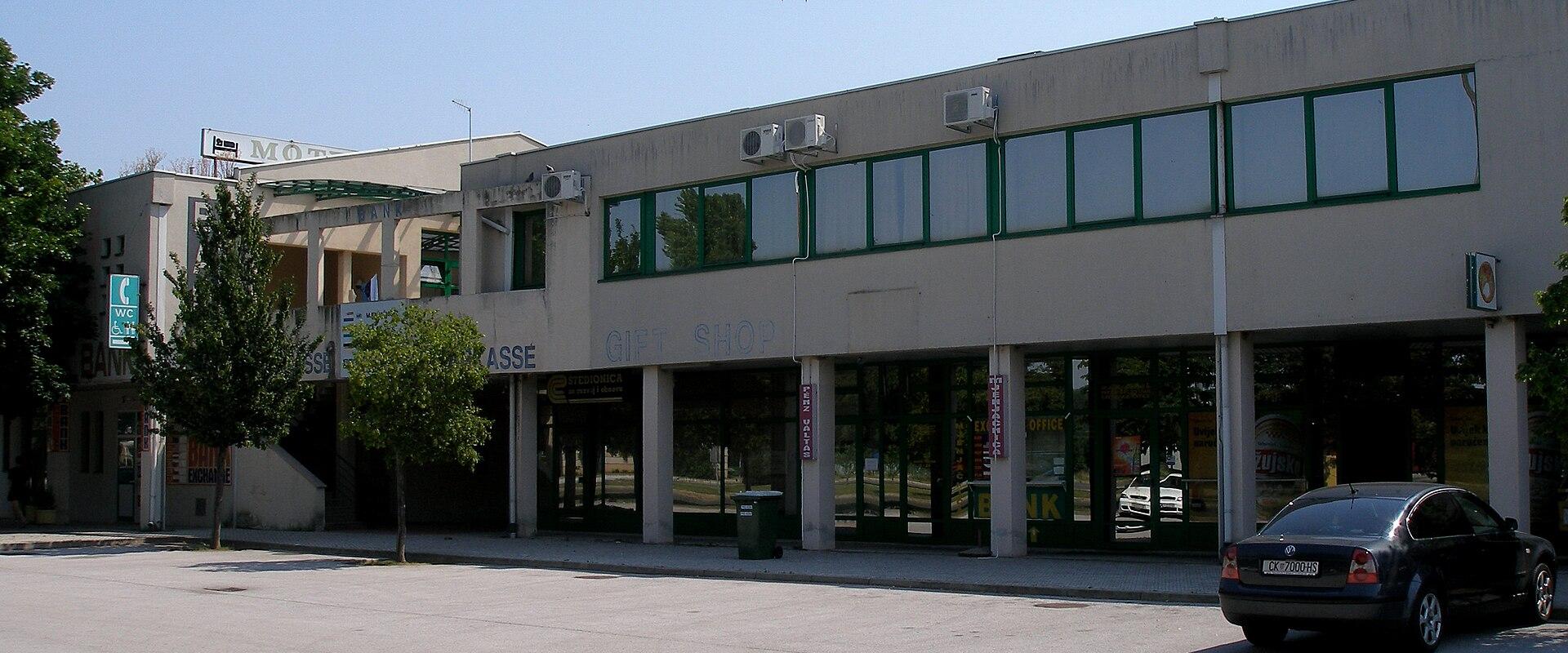
Goričan’s history stretches back to prehistoric times, with archaeological finds indicating settlement since the Iron Age. Over the centuries the village developed as a key point on the trade routes between Croatia and Hungary, which shaped its multicultural character and fostered a tradition of hospitality. The area’s fertile soils have long supported agriculture, and generations of families have cultivated crops and kept rural customs that define the region’s identity. Because it lies at a frontier, the village has seen armies, merchants and migrants pass through, and the memory of those movements is part of local identity.
The village itself has quiet streets, traditional houses and a relaxed pace of life. Local churches and community centers serve as focal points for cultural and religious gatherings. Throughout the year Goričan hosts festivals and events that celebrate Međimurje’s folk music, dance and gastronomy, which offer visitors a chance to see authentic rural traditions and meet people from the community. The roadside shops, including M7 Tabak, serve many drivers who cross the border, and visitors can pick up newspapers, coffee and snacks. In Čakovec, close by, the Luckia Automat Klub is one of the places of entertainment in the area, though most visitors will find the cafes and restaurants of the old town more rewarding.
Nature lovers will appreciate the scenic countryside around Goričan. The flat terrain and network of country roads make it good for cycling, walking and birdwatching. Trails lead through fields and meadows and along the nearby Mura River, providing peaceful routes for exploration and chances to observe local flora and fauna. In spring and summer the landscape is vibrant with wildflowers and the gentle sounds of rural life, which suits picnics and outdoor activities. Herons and storks are common near the river, and the riverbank paths are usually quiet.
Goričan’s location near the Hungarian border makes it a convenient base for cross-border excursions. The nearby border crossing provides easy access to Hungarian towns and attractions, including the thermal baths and small historic towns just across the frontier, while the wider Međimurje region offers wine routes, spas and cultural sites. The village is also within reach of Čakovec, the county seat, which has the Zrinski castle, markets and museums, and of the thermal spa at Sveti Martin na Muri, one of the best-known in the region.
Getting to Goričan is straightforward. The village is accessible by road from Čakovec and other regional centers, with public buses serving the area. The border crossing to Hungary is just a short drive away, which makes it easy for visitors to explore both countries. Accommodation options include guesthouses, rural homestays and small hotels in Goričan and nearby towns, providing a comfortable base for visitors. Travellers should carry identification and check current border rules, though crossings within the Schengen area are usually smooth.
The best time to visit Goričan is from early June to mid-September, when the weather is warm and the countryside is at its most vibrant. Spring and early autumn also offer mild temperatures and beautiful scenery, suited to outdoor activities and the relaxed pace of village life. Whether you are seeking a peaceful retreat, a taste of rural culture or a base for cross-border adventures, Goričan offers an authentic and welcoming stay in northern Croatia.
Best time to visit
Early June to mid-September offers warm weather, lush scenery, and ideal conditions for cycling, walking, and exploring both Croatian and Hungarian countryside.
What to see in Goričan
Our picks first.
Goričan by interest
The same sights, grouped by what you came for.
Planning a visit to Goričan
Good to know
- Currency
- EUR
- Language
- Croatian
Quick Facts
Book your stay
Questions people ask
More places in Međimurje
Međimurje
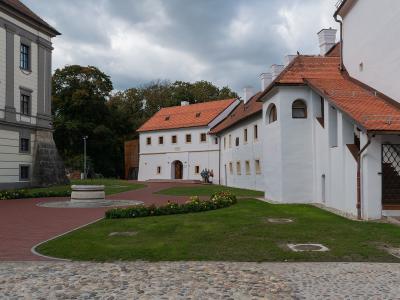
Čakovec
"Central Croatia's castle-clad cultural gem"
Međimurje
Podturen
Mura riverside village with rural charm and natural beauty
Međimurje
Dekanovec
Smallest Međimurje municipality with rural tranquility
Međimurje
Donji Vidovec
Riverside Međimurje village with nature and rural traditions