







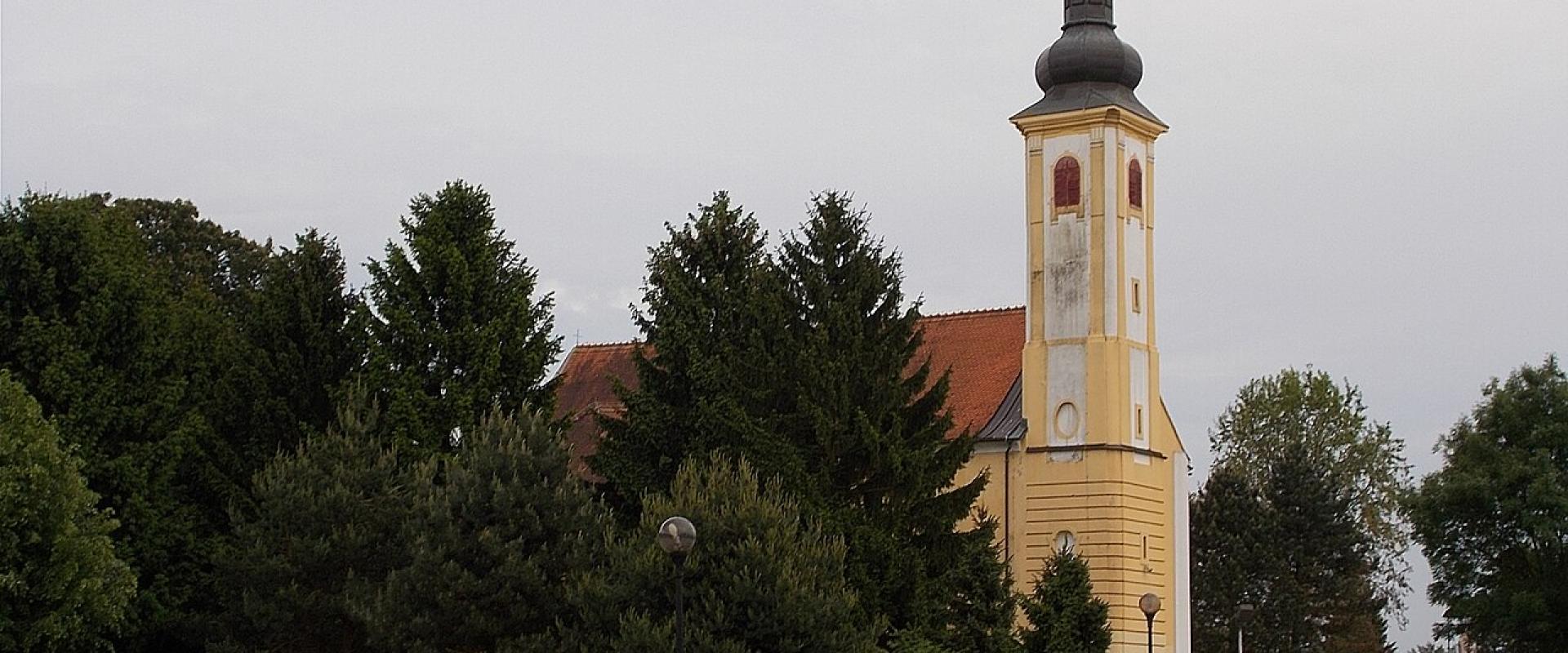
Church of St. Leonard, Goričan
Late Baroque parish church of 1770 with an Angster organ of c. 1888
- Where
- Goričan, Međimurje
- Directions
- Directions
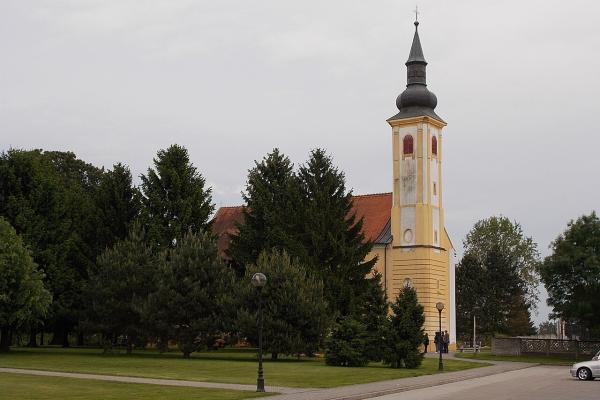
The parish church of St. Leonard stands in the centre of Goričan, on the spot where a statue of the saint once stood. It began as a chapel built in 1770. A thorough renovation and a new consecration followed, and in 1789 the chapel was raised to the rank of parish church. St. Leonard is the village's patron saint.
The building is a long, single-nave church with its bell tower rising from the west front, a common arrangement for village churches in Međimurje. Inside, the space follows the model of late Baroque hall churches, and the furnishings are listed as protected cultural property. The main altar of St. Leonard dates from the 17th century and has a tabernacle flanked by statues of saints and two angels. Two 18th-century side altars mirror each other: the altar of Our Lady of Sorrows, with a sculpture of the grieving Virgin holding the dead Christ, and the altar of the Holy Cross with a Crucifixion. Taken together they show late Baroque work with the first touches of Classicism.
The organ in the gallery is a small mechanical instrument with nine stops, one manual and a pedal, attributed to the Angster workshop of Pécs and dated to around 1888. Its case has a raised central tower and wood painted to imitate grain, and it is protected separately as a cultural property.
Next to the church is the parish house, a masonry building of 1813 noted for its simple form. Near it a late Baroque to Classicist sculpture group of the Holy Family stands on a pillar above a large green space. Together the church, parish house and green form the centre of the village.
Goričan was first mentioned in 1255 under the name Kerechen. Under the Zrinski family it was the seat of a lordship, and in November 1918 its people briefly declared their own republic, which Hungarian troops put down two weeks later. A memorial plaque in the village recalls those killed. The village lies in the east of Međimurje, close to the Mura and the Hungarian border, and the church is a natural first stop for anyone leaving the motorway at the frontier. It suits travellers with an interest in rural Baroque churches and in the border history of northern Croatia.
Categories
More photos coming soon
Nearby Attractions
Closest attractions by distance
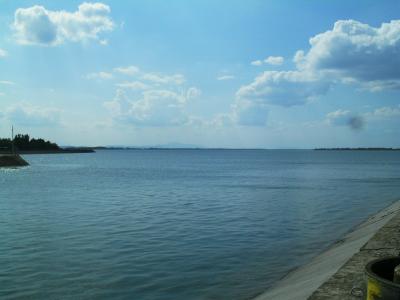
Lake Dubrava
Croatia’s largest artificial lake on the Drava River
Natural Wonders · Lakes
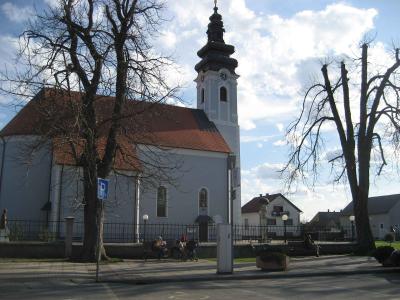
Church of St. James (Crkva sv. Jakova), Prelog
18th-century Baroque church with Veit Königer altars
History & Heritage · Historic Churches
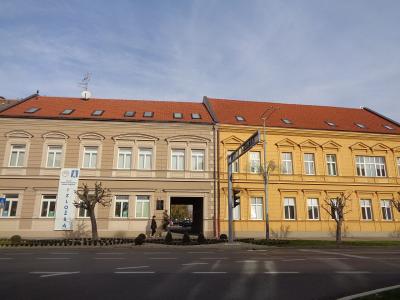
Muzej Croata insulanus (Prelog Town Museum)
Museum of Croatian island heritage and culture
Cultural Experiences · History & Heritage
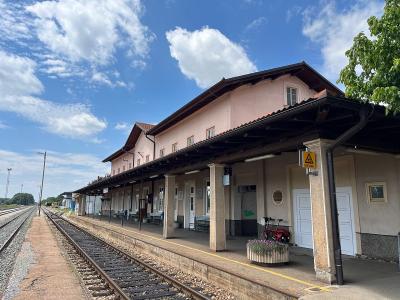
Kotoriba Railway Station
Terminus of Croatia's first railway line, opened on 24 April 1860
History & Heritage · Urban Exploration
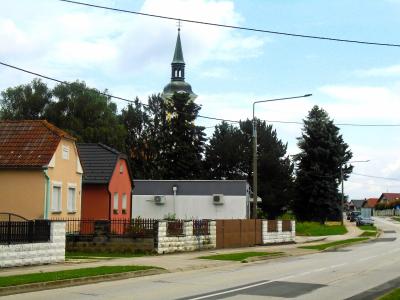
Church of All Saints, Dekanovec
1768 historic church with late Baroque interior
Historic Churches
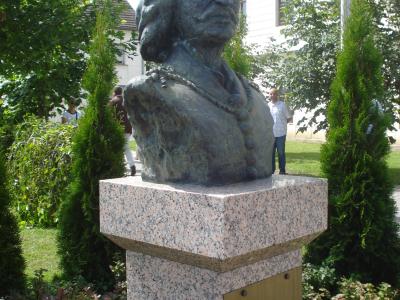
Nikola Zrinski Monument, Donja Dubrava
Monument to Croatian hero in Donja Dubrava
Monuments
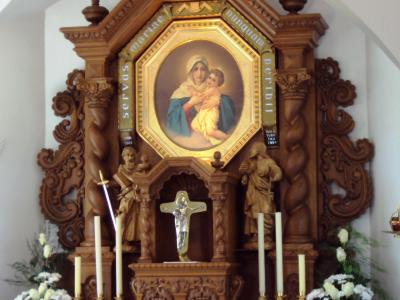
Schoenstatt shrine
Shrine of Mary, Queen of Hearts, Mala Subotica
Cultural Experiences
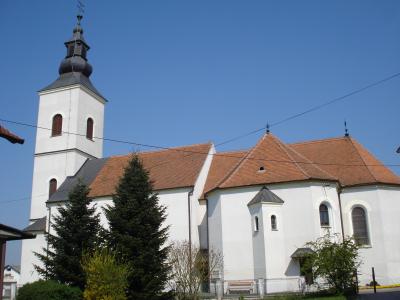
Church of the Assumption of the Blessed Virgin Mary, Belica
Parish church in Belica, Croatia
History & Heritage · Historic Churches
Questions people ask
Quick Facts
Best Time to Visit
Early June to mid-September offers warm weather, lush scenery, and ideal conditions for cycling, walking, and exploring both Croatian and Hungarian countryside.