Kotoriba is one of the oldest settlements in Međimurje County, a riverside village that reflects the region’s long history and lasting traditions. It lies on the left bank of the Mura River, and its origins go back to medieval times, when its strategic location made it a vital crossing point between Croatia and Hungary. A ford and later a ferry linked the two banks, and customs and tolls were collected here. Over the centuries the village developed as a key railway junction, which further increased its importance as a center of trade and communication in northern Croatia. The railway reached Kotoriba in the 19th century, and the line connected Čakovec with Hungary and the wider Austro-Hungarian network.
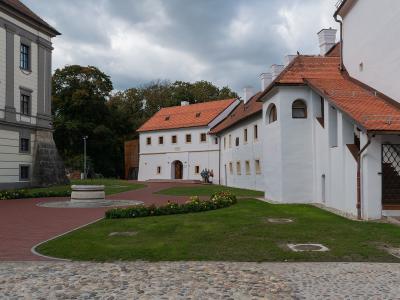
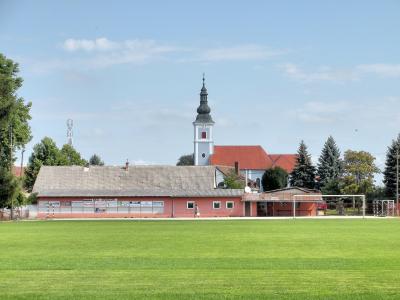
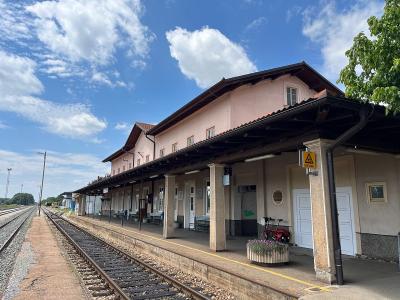
The village’s historical significance is reflected in its architecture and layout. While Kotoriba is primarily a residential and agricultural community, visitors will find several landmarks that speak to its past. The parish church, the Church of the Seven Sorrows of the Blessed Virgin Mary and the Holy Cross, has a simple yet elegant design and is a focal point for local gatherings and religious events. The railway station, one of the oldest in Croatia, is a reminder of Kotoriba’s role in connecting the region to the broader European rail network, and railway enthusiasts will enjoy the old buildings and platforms. Walking through the village, visitors can admire traditional Međimurje houses, characterized by their distinctive wooden elements and colorful facades.
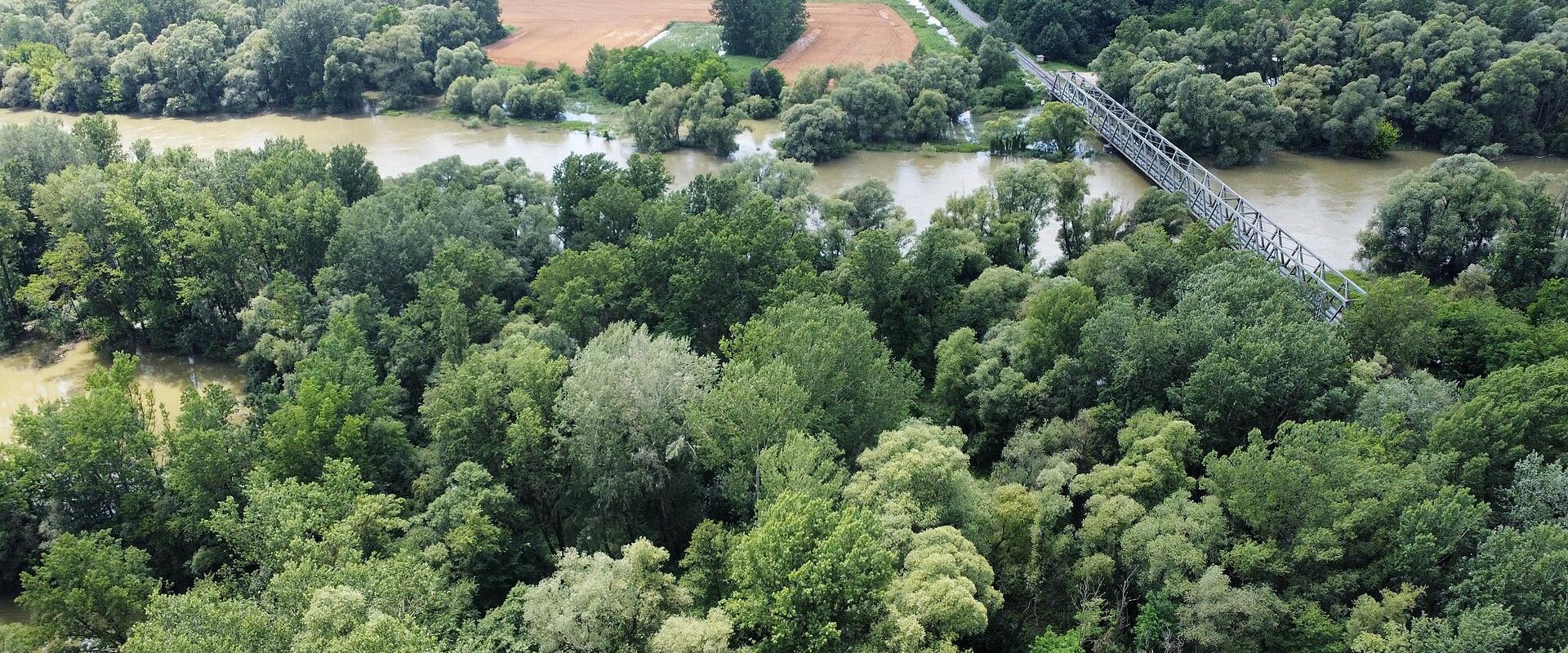
Nature is one of Kotoriba’s greatest assets. The nearby Mura River offers chances for scenic walks, birdwatching and fishing along its peaceful banks. The river is part of a protected landscape, and its floodplain forests and gravel banks are home to many species. The surrounding countryside is crisscrossed with cycling and hiking trails, which invite visitors to explore the lush meadows, forests and farmlands that define the landscape. In spring and summer the area comes alive with wildflowers and the gentle hum of rural life, which makes it a pleasant destination for outdoor enthusiasts and families. Because the land is flat, cycling is easy, and the dykes along the Mura provide quiet, car-free routes.
While Kotoriba itself is a quiet village, its location makes it a convenient base for exploring the wider Međimurje region. Nearby attractions include the regional capital Čakovec, known for its castle and lively cultural scene, and the spa town of Sveti Martin na Muri, famous for its thermal baths and the historic floating mill on the Mura River. The region is also renowned for its wine routes, where visitors can sample local varieties and enjoy traditional cuisine in rustic cellars. Meals in Međimurje are rich, with dumplings, roast meat, pumpkin-seed oil and gibanica, the layered pastry that is the region’s signature dessert.
Kotoriba’s community is known for its hospitality and strong sense of tradition. Throughout the year the village hosts various local festivals and events that celebrate folk music, dance and culinary heritage. These gatherings give visitors a chance to experience authentic Međimurje culture and connect with the friendly residents. The kajkavian dialect, spoken across northern Croatia, is heard everywhere, and songs with accordion and tamburica are part of most celebrations.
Getting to Kotoriba is straightforward. The village is accessible by road and is served by one of Croatia’s oldest railway stations, with regular trains connecting it to Čakovec and other regional centers. For those arriving by car, Kotoriba is well connected to the main roads of Međimurje County, and parking is readily available. The village’s flat terrain makes it easy to explore on foot or by bicycle.
The best time to visit Kotoriba is from early June to mid-September, when the weather is warm and the natural surroundings are at their most vibrant. Spring and autumn also offer mild temperatures and beautiful scenery, good for outdoor activities and exploring the countryside. Winters are colder and quieter, which gives a peaceful atmosphere for those who want a slower pace. Whether you are interested in history, nature or simply enjoying the rhythms of rural life, Kotoriba offers a welcoming and authentic stay in northern Croatia.
Best time to visit
Early June to mid-September offers warm weather and lush scenery; spring and autumn are also pleasant for outdoor activities and exploring nature.
What to see in Kotoriba
Our picks first.
Kotoriba by interest
The same sights, grouped by what you came for.
Did you know?
Checked facts about Kotoriba, each with its source.
-
History
Croatia's Oldest Railway Station
Kotoriba has the oldest railway station in present-day Croatia: the line from Nagykanizsa through Kotoriba and Čakovec was put into service on 24 April 1860, two years before Zagreb got its first station.
Source: Total Croatia News
Planning a visit to Kotoriba
Good to know
- Currency
- EUR
- Language
- Croatian