







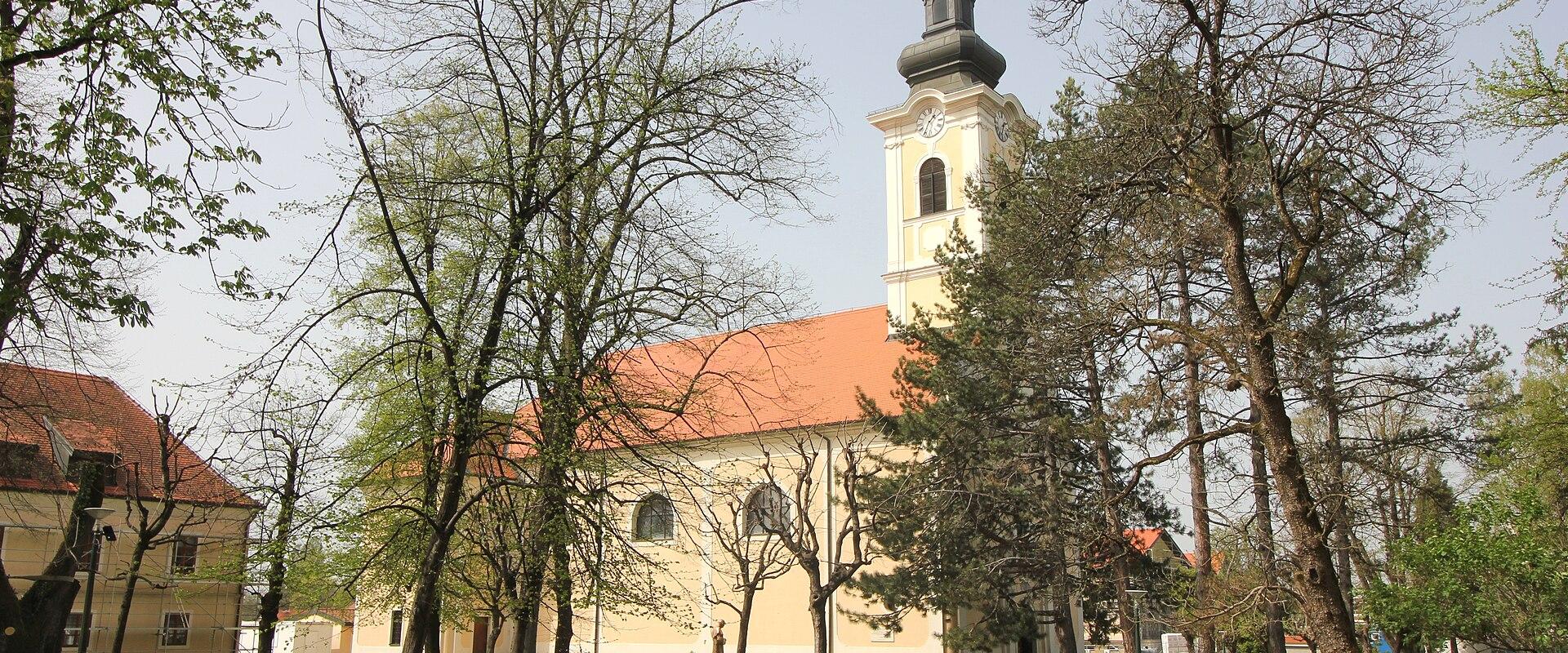
Petrinja’s history stretches back to Roman times, but it flourished as a market town and defensive outpost in the Middle Ages. The town’s strategic location near the Kupa and on the Petrinjčica made it a center for trade, crafts and agriculture, and later it became a fortress town of the Habsburg Military Frontier. Over the centuries Petrinja developed a strong sense of community, with its residents preserving local traditions, music and cuisine. The old streets were lined with historic buildings, churches and monuments that reflected a diverse past, though many were damaged in the earthquake of December 2020, which was one of the strongest to hit Croatia in modern times.
The earthquake shapes any visit. Remnants of the Old Town offer a poignant glimpse into the layered history and resilience of the community, and the ruins of the Church of the Holy Spirit and of St. Durius Church stand as reminders of what was lost. Petrinja Town Center is being rebuilt, with new houses and public buildings appearing between empty plots. Visitors should be respectful, avoid damaged structures and consider spending money locally in cafes and shops, which helps the recovery.
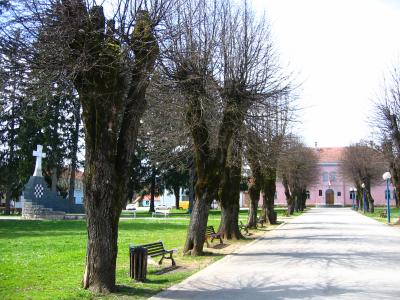
One of Petrinja’s main attractions is its riverside setting, which provides opportunities for fishing, kayaking and riverside walks. The town’s parks, such as Gradski park, Petrinja City Park and Mali Kaptol, offer peaceful retreats for relaxation, picnics and family outings. The Church of St. Lawrence and other historic sites are focal points for community gatherings and religious celebrations. The nearby Barutana Memorial commemorates the victims of the Croatian War of Independence, providing insight into the region’s recent history.
Outdoor activities abound in and around Petrinja. Hiking and cycling trails wind through forests, meadows and along the riverbanks, offering routes for all levels. The area’s gentle terrain and beautiful vistas make it good for family outings, photography and birdwatching. The Piramida lookout at Cepeliš gives wide views over the hills, Izvor Jurica is a quiet spring in the woods, and the Matija Filjak Mountain Lodge serves hikers who want a rest. Day trips to the Gorski Kotar region, Plitvice Lakes National Park and the spa town of Topusko are easily arranged by car or bicycle.
Cultural life in Petrinja is lively, with festivals, concerts and community events celebrating local music, cuisine and traditions. Restaurants and guesthouses serve hearty regional dishes, homemade bread and pastries, best enjoyed with a view of the river or parks. Local markets and food festivals show the flavors of the region, though the choice of places is smaller than before the earthquake.
Getting to Petrinja is straightforward. The town is accessible by road from Zagreb, Sisak and other regional centers, with well-maintained highways and public bus connections. Accommodation options include guesthouses, rural lodges and private apartments, providing a comfortable base for visitors, though capacity is still limited and booking ahead is wise.
The best time to visit Petrinja is from May to September, when the weather is warm, the parks and riverbanks are lush and local festivals and outdoor activities are in full swing. Spring and early autumn also offer mild temperatures and beautiful scenery, suited to sightseeing, hiking and the relaxed pace of rural life. Whether you are interested in history, nature or authentic Croatian culture, Petrinja offers a thoughtful visit in a town that is still rebuilding.
Best time to visit
May to September offers warm weather, lush scenery, and ideal conditions for hiking, cycling, and enjoying local festivals and riverside activities.
What to see in Petrinja
Our picks first.
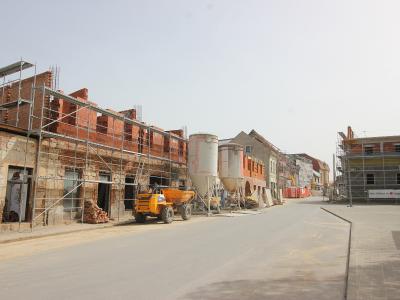
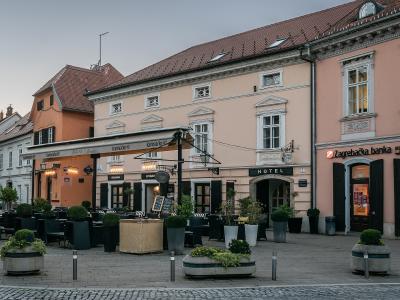
Petrinja Town Center
Historic town center with park and fountain
Cultural Experiences · History & Heritage
Matija Filjak Mountain Lodge
Mountain lodge and lookout tower atop Cepeliš peak
Activities & Adventure · Natural Wonders
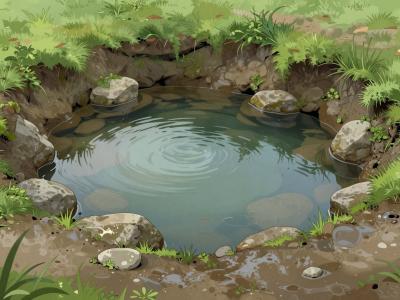
Izvor Jurica
Natural spring and scenic hiking spot near Petrinja
Cultural Experiences
Piramida (Cepeliš) Lookout Point
14m geodetic pyramid atop Hrastovica Hill
Natural Wonders · Viewpoints
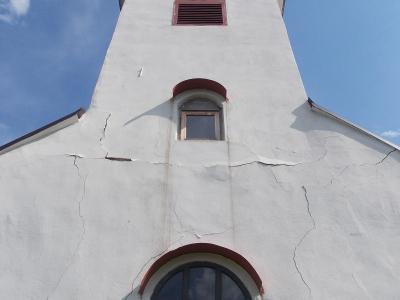
Ruins of the Church of the Holy Spirit
Ruins of a 17th-century church in Petrinja
History & Heritage · Ancient Sites
Petrinja by interest
The same sights, grouped by what you came for.
Did you know?
Checked facts about Petrinja, each with its source.
-
History
Petrinja Fell to the Yugoslav Army in September 1991
On 2 September 1991 the Yugoslav People's Army and rebel Serbs launched their attack on Petrinja, shelling the town and sending in tanks; after weeks of fighting the town fell on 21 September 1991.
Source: Domovinski rat (Homeland War) portal
Planning a visit to Petrinja
Good to know
- Currency
- EUR
- Language
- Croatian
Quick Facts
Book your stay
Questions people ask
More places in Central Croatia
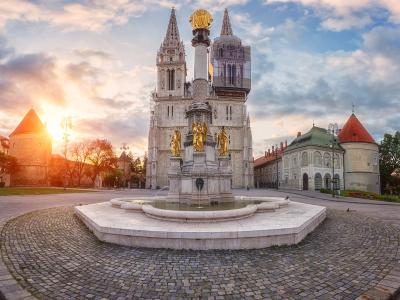
Central Croatia
Zagreb
Croatia’s lively capital with parks, museums, and café culture
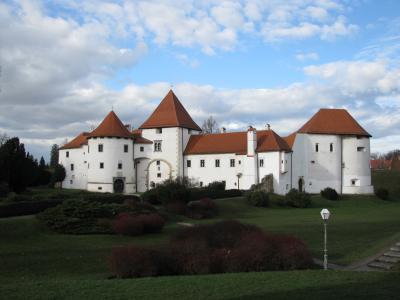
Central Croatia
Varaždin
Baroque city with castles, palaces, and vibrant festivals
Central Croatia
Samobor
Zagorje hill town with castle ruins and pastry traditions
Central Croatia
Slunj
Riverside town with waterfalls, mills, and adventure sports