








Ancient Ruins (Small Fortress in Ruins)
17th-century fortress ruins guarding Pag Island
- Where
- Pag Island, Dalmatia
- Directions
- Directions
The small fortress in ruins on Pag Island, known as Fortica, stands on a low hill near the entrance to the island, and it is one of the few remaining traces of the defences that once guarded the sea routes around Pag. Pag lies off the northern Dalmatian coast, in a channel that was an important passage for ships under the Republic of Venice, which ruled the island for centuries. The Venetians fortified their possessions against pirates and rival powers, and a watchtower or small fort on a height gave warning of approaching vessels. The ruins date mostly from the 17th century, although tradition places an earlier lookout on this site, and they can be seen from the road as visitors cross the bridge from the mainland, which makes them a natural first stop on the island.
What remains is a set of weathered stone walls, enclosures and traces of foundations, built from the pale limestone that covers Pag. The stonework shows the practical design of a small frontier fort, with thick walls, a commanding position and a simple plan. The site is open to exploration at any time, there are no opening hours or fees, and a gravel road leads to the foot of the hill. From the top, there are wide views of the sea, the channel, the mainland coast and the bare, stony slopes of Pag, which is famous for its moonlike landscape shaped by wind and salt spray. The scene is particularly striking at sunrise and sunset, when the light turns the rocks golden.
Local legends add to the atmosphere. One story tells that the Hungarian-Croatian king Bela IV sought refuge in this area when the Mongols swept through the region in the 13th century, a tale that belongs to local tradition rather than to documented history. Such stories show how the fort became part of the island's folklore, and guides and residents are happy to tell them. A visit takes under an hour, and it is easy to combine with other places on the island, such as Pag town, the Ducal Palace, the Pag Saltworks, the Pag Lace Gallery and the olive gardens of Lun, with their ancient trees. The wetlands of Malo Blato and Velo Blato, and beaches such as Simuni and Dinjiška Bay, lie farther along.
Bring a hat, water and sturdy shoes, since there is no shade and the stones are loose, and be careful near any edges. The wind on Pag can be strong, particularly when the bura blows, so take care on exposed ground.
The ruins suit photographers, history enthusiasts and travellers who like quiet stops. Allow about half an hour, and enjoy the view across the strait.
Categories

More photos coming soon
Nearby Attractions
Other places to visit in Pag Island

Ducal Palace (Kneževa Palača)
Historic palace showcasing Pag’s intricate lacecraft
Cultural Experiences · History & Heritage
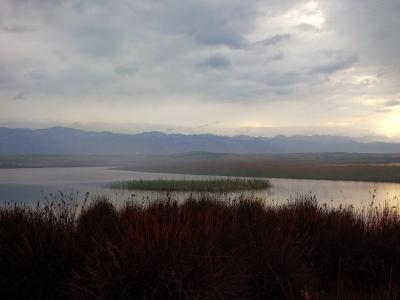
Malo Blato
Freshwater wetland amid Pag Island’s lunar landscape
Activities & Adventure · Natural Wonders
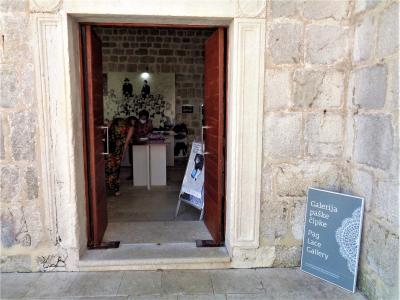
Pag Lace Gallery
UNESCO-listed Pag lace tradition in historic palace
Cultural Experiences · Traditional Crafts
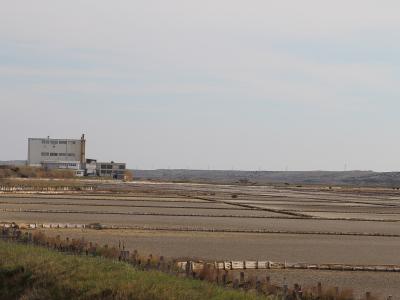
Pag Saltworks
Ancient salt pans shaping Pag Island’s heritage
Cultural Experiences
Questions people ask
Quick Facts
Best Time to Visit
June to August offers hot weather, warm sea, and lively nightlife; May, June, and September are quieter with pleasant temperatures for beaches and outdoor activities.