







- Where
- Pag Island, Dalmatia
- Directions
- Directions
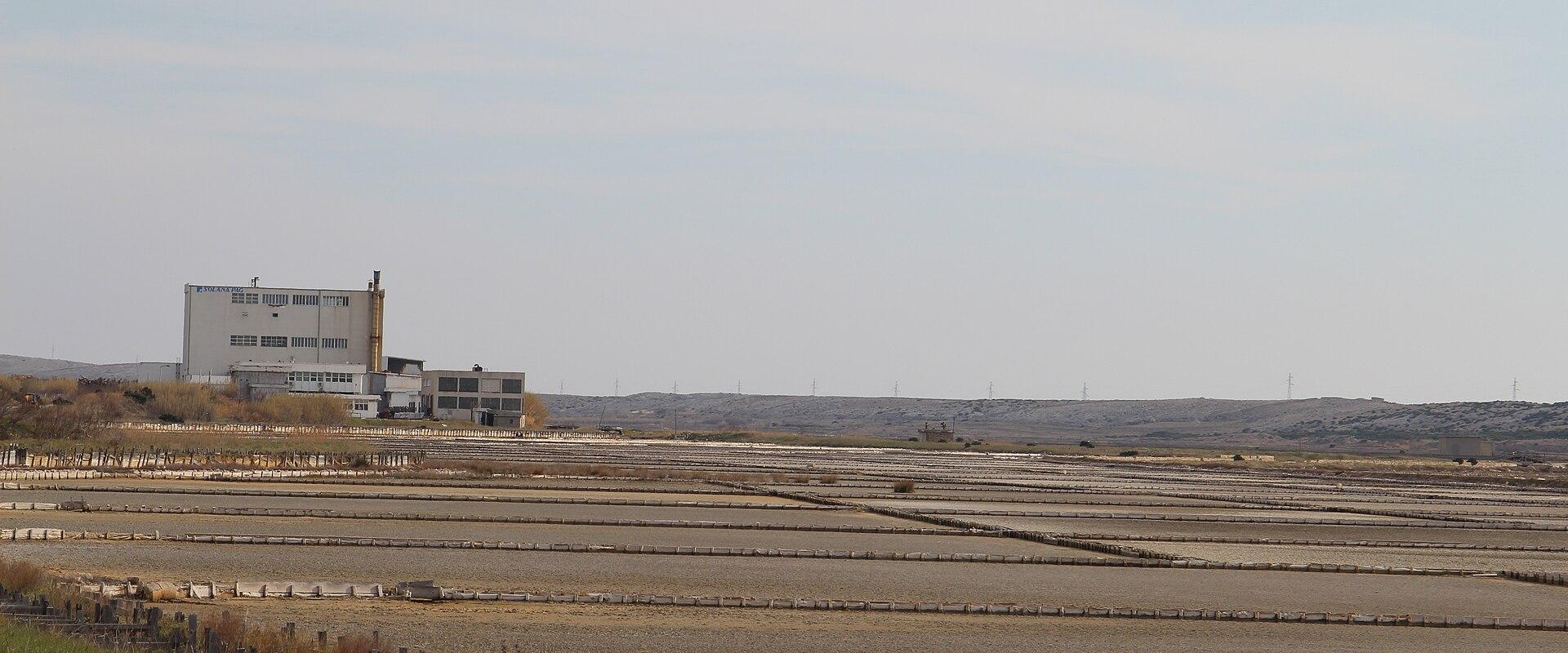
Salt has shaped Pag Island in Croatia for centuries, and the Pag Saltworks near Pag Town are the clearest evidence of that story. The island is a harsh, nearly treeless landscape of white limestone, swept by the cold bura wind, and the shallow bay beside the town provides ideal conditions for making salt: protected water, strong sun and steady winds. For generations, people harvested salt here, and it was valuable enough to be called white gold.
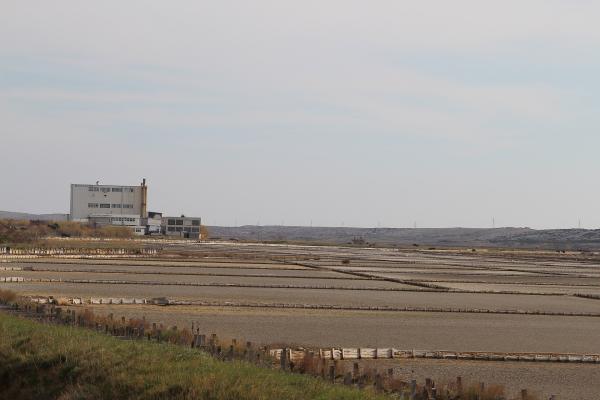
The saltworks consist of a series of shallow pans and pools, laid out in a regular pattern beside the sea. Seawater flows into the first pans and is allowed to evaporate in the sun and wind, becoming steadily more concentrated as it moves from one pan to the next. When the brine is dense enough, the salt crystallises and is raked and collected by hand or with simple tools. The best salt is the flower of salt, the delicate crust that forms on the surface in hot weather. Visitors can walk beside the pans and see the work at different stages, with the white crystals gleaming in the summer light.
Salt production on Pag has deep roots and has been tied to the political life of the island. In medieval times the Republic of Venice, which ruled the Adriatic coast, taxed and controlled salt, and the new town of Pag was laid out in the 15th century to protect the saltpans and the people who worked them. The trade shaped the local economy, from the labour in the pans to the transport of salt by boat. Later, modern production techniques changed the work, but the saltworks remain a significant part of the island's identity.
The Museum of Salt, a small museum connected with the saltworks, explains the history and methods of salt-making through tools, photographs and displays. Guided tours may be offered in season and sometimes include a tasting of the local salt, which is sold as a souvenir and widely used in the island's cooking. Salt also helps to explain Pag's famous cheese, since the wind carries salt spray onto the herbs on which sheep graze, giving the milk a distinctive flavour. The Pag Lace Gallery, the Ducal Palace (Kneževa Palača) and the olive gardens of Lun are other sights on the island.
Opening times are seasonal, so check before you go. The saltworks suit curious travellers, families and photographers, and a visit takes about an hour. The lunar landscape of the island, with the white pans in the foreground, is especially striking in the evening light.
Categories
More photos coming soon
Nearby Attractions
Other places to visit in Pag Island

Ducal Palace (Kneževa Palača)
Historic palace showcasing Pag’s intricate lacecraft
Cultural Experiences · History & Heritage
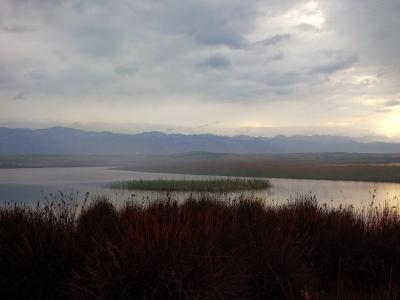
Malo Blato
Freshwater wetland amid Pag Island’s lunar landscape
Activities & Adventure · Natural Wonders
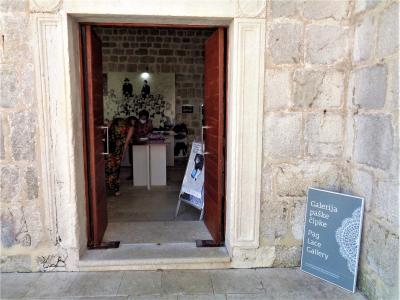
Pag Lace Gallery
UNESCO-listed Pag lace tradition in historic palace
Cultural Experiences · Traditional Crafts

Ancient Ruins (Small Fortress in Ruins)
17th-century fortress ruins guarding Pag Island
History & Heritage · Ancient Sites
Questions people ask
Quick Facts
Best Time to Visit
June to August offers hot weather, warm sea, and lively nightlife; May, June, and September are quieter with pleasant temperatures for beaches and outdoor activities.