







- Where
- Pag Island, Dalmatia
- Directions
- Directions
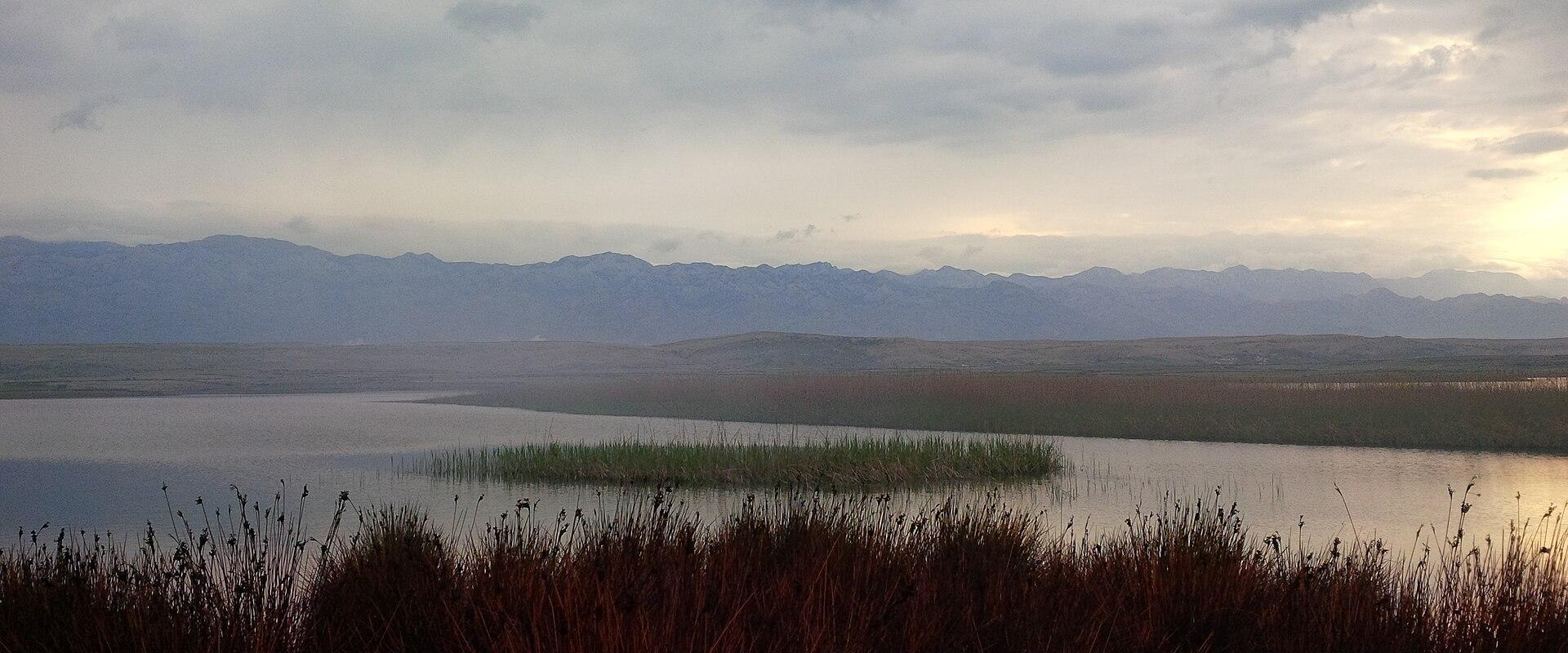
Malo Blato is one of the freshwater wetlands of Pag Island, in northern Dalmatia, and it is a surprise in a place best known for bare rock, salt pans and sheep. The island's reputation is built on a stark, almost lunar landscape, especially on the eastern side, which faces the Velebit mountains and takes the full force of the bora wind and salt spray. Limestone, wind and the sea have left the slopes nearly treeless. The western side is greener, and in a few low places fresh water collects, which is where wetlands such as Malo Blato and its larger neighbour, Velo Blato, appear.
The water that feeds these wetlands comes from the karst system of the Velebit mountain, which stores rain and snow and releases it through springs and underground channels. On Pag, this fresh water meets a low, flat landscape, and it forms ponds and reedy areas that support plants and animals which would not survive on the dry hills. In spring and autumn, migrating birds use such wetlands for rest and food, and the reeds and shallow water shelter frogs, insects and fish. For people interested in ecology, it is a good example of how fragile and valuable freshwater is on a limestone island.
A visit is mainly a quiet walk or cycle. The wetland is reached by car or bicycle from the town of Pag along local roads, and there is no large visitor centre, so the experience is simple. You can watch birds, photograph the reeds and the contrast with the stony hills, and enjoy the stillness away from the busier beaches. Bring binoculars, a hat and water, since shade is limited, and stay on existing paths so as not to disturb nesting birds. Spring is the best season for greenery and birdlife.
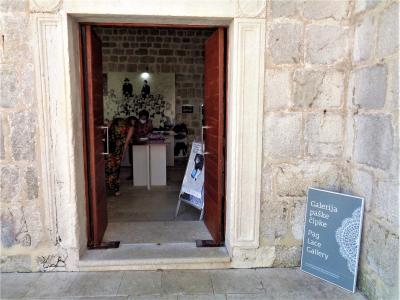
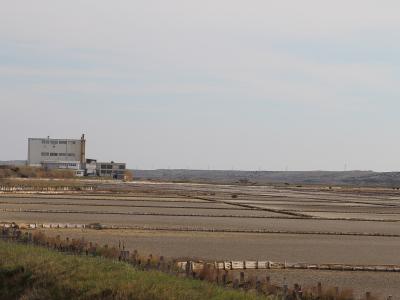
Pag town itself is a good complement to the visit. It was laid out in the 15th century on a planned grid, and it is known for the Collegiate Church of the Assumption of Mary, the Ducal Palace, and the traditional Pag lace, recognised by UNESCO as part of Croatia's intangible heritage. The Pag Saltworks, still producing salt, the Lace Gallery and the olive gardens of Lun, with their ancient trees, are further stops, while Dinjiška Bay and Simuni Beach provide places to swim.
Malo Blato suits nature lovers, birdwatchers and cyclists who want to see another side of Pag. Combine it with a visit to Velo Blato for a fuller picture of the island's wetlands.
Categories
More photos coming soon
Nearby Attractions
Other places to visit in Pag Island

Ducal Palace (Kneževa Palača)
Historic palace showcasing Pag’s intricate lacecraft
Cultural Experiences · History & Heritage
Pag Lace Gallery
UNESCO-listed Pag lace tradition in historic palace
Cultural Experiences · Traditional Crafts
Pag Saltworks
Ancient salt pans shaping Pag Island’s heritage
Cultural Experiences

Ancient Ruins (Small Fortress in Ruins)
17th-century fortress ruins guarding Pag Island
History & Heritage · Ancient Sites
Questions people ask
Quick Facts
Best Time to Visit
June to August offers hot weather, warm sea, and lively nightlife; May, June, and September are quieter with pleasant temperatures for beaches and outdoor activities.