







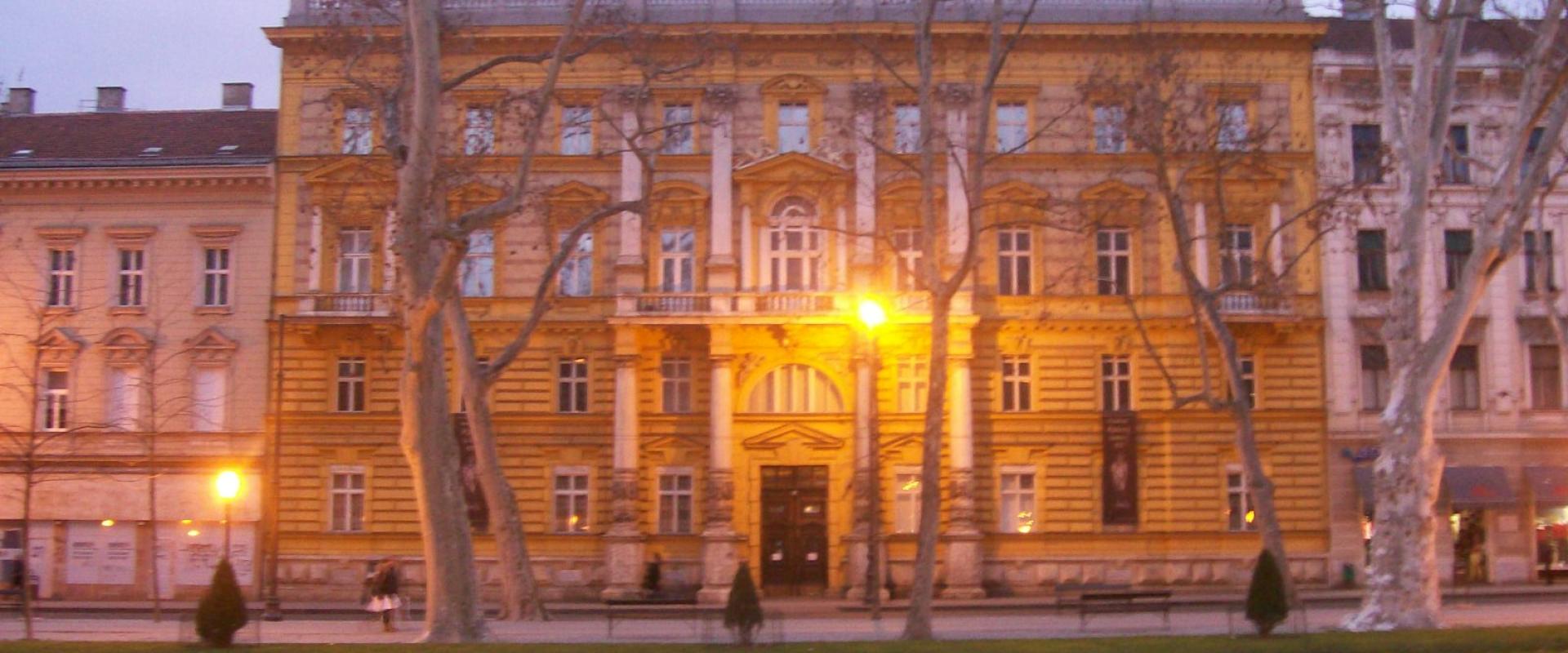
Archaeological Museum Zagreb
Croatia's oldest archaeological museum, founded 1836
- Admission
- Adults standard
- Reduced for children, students, pensioners and families. Check current prices
- Hours
- Mon-Wed & Fri 10:00-17:00; Thu 10:00-20:00; Sat-Sun 10:00-13:00
- Where
- Zagreb, Central Croatia
- Directions
- Directions
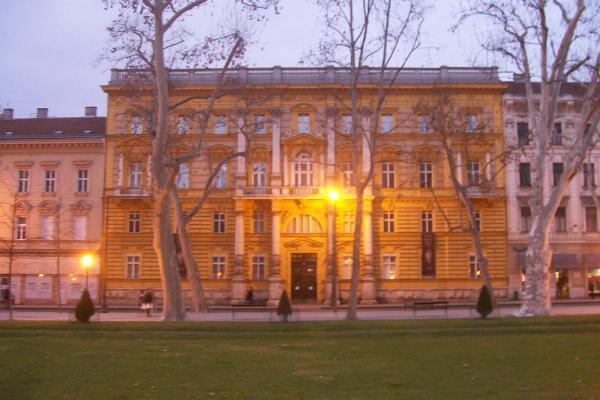
The Archaeological Museum in Zagreb stands on Zrinjevac, the leafy park square in the centre of the Lower Town, in the Vranyczany-Hafner Palace at Trg Nikole Šubića Zrinskog 19, a large 19th-century building that suits the dignity of its collections. The museum's roots go back to the middle of the 19th century and the creation of the National Museum in Zagreb, and over time its archaeological holdings grew into an independent institution that is now among the most important in Croatia. It holds several hundred thousand objects, ranging from the Stone Age to the Middle Ages, and two or three of them are famous well beyond the country.
The best-known treasure is a mummy. The Zagreb Mummy is an Egyptian mummy of a woman, brought to Croatia in the 19th century, and wrapped in linen strips that turned out to be inscribed with a long text in the Etruscan language. The strips, now known as the Liber Linteus Zagrabiensis, the Linen Book of Zagreb, are the longest surviving text in Etruscan, an ancient language of Italy that is still only partly understood, and they are of immense value to scholars. The sight of the mummy and the fragments of the book attracts specialists and curious visitors from around the world. The museum's Egyptian collection also includes sarcophagi, amulets and small figures.
Other highlights include the Vučedol Dove, a small ceramic vessel in the shape of a bird, made about 4,500 years ago by the people of the Vučedol culture near Vukovar, and now regarded as a symbol of Croatian prehistory and once printed on the country's 20 kuna banknote. The prehistoric collection also holds tools, ornaments and pottery from across the region, and the Greek and Roman collections include vases, coins, glass, jewellery and sculpture from sites along the Adriatic and the Pannonian plain. The medieval department shows weapons, jewellery and church objects from the early Croatian kingdom. The museum's lapidarium, with stone monuments and inscriptions, adds to the picture, and the Nesactium treasure from Istria is another notable group of finds.
Opening hours and prices change from time to time, so it is wise to check before going. A visit takes between one and three hours, depending on how long you spend at each display. The museum is only a few minutes' walk from the Art Pavilion, the Croatian National Theatre, the Glyptotheque and Ban Jelačić Square, and it fits well into a day among the museums of the Lower Town.
It suits history lovers, families and students. If you only have time for a few things, go straight to the mummy and the Vučedol Dove.
Categories
More photos coming soon
Hours & Fees
- Open
- Mon-Wed & Fri 10:00-17:00; Thu 10:00-20:00; Sat-Sun 10:00-13:00
- Admission
- Adults standard; reduced for children, students, pensioners and families. Check current prices.
Hours and prices change, especially out of season. Check with the venue before you go.
Nearby Attractions
Other places to visit in Zagreb
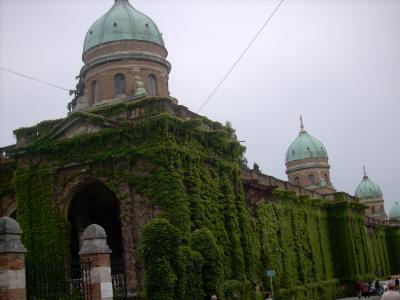
Mirogoj Cemetery
Architectural masterpiece and multi-faith resting place
History & Heritage · Urban Exploration

Zagreb Cathedral
Gothic cathedral with twin spires and historic relics
Cultural Experiences · History & Heritage
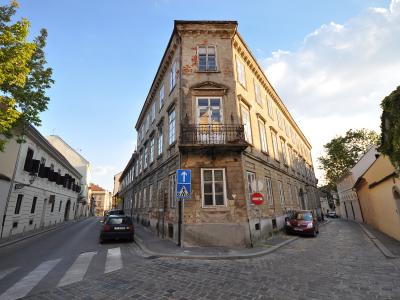
Upper Town (Gornji Grad)
Historic Zagreb district with medieval landmarks
Cultural Experiences · Urban Exploration
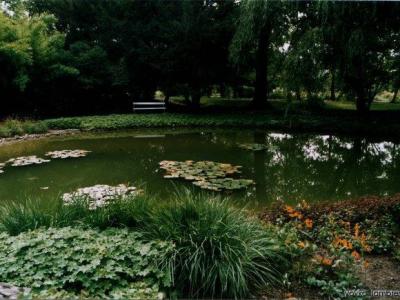
Zagreb Botanical Garden
Urban oasis with diverse rare plant species
Cultural Experiences · Natural Wonders
Questions people ask
Quick Facts
Adults standard
Reduced for children, students, pensioners and families. Check current prices.
Best Time to Visit
Late May to mid-September offers warm weather, blooming parks, and lively festivals; spring and early autumn are ideal for sightseeing and outdoor café culture.