







- Admission
- Free
- Hours
- Open year-round, 24/7
- Where
- Zagreb, Central Croatia
- Directions
- Directions
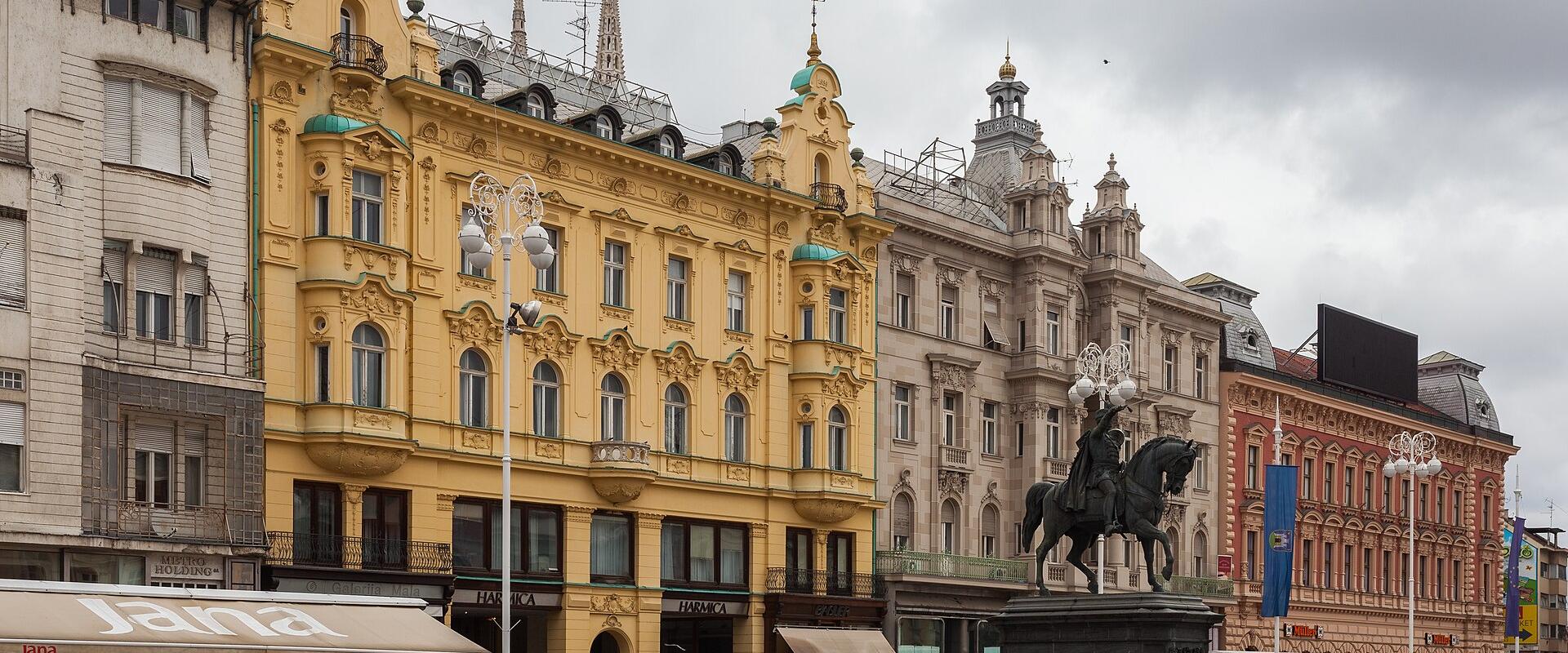
Ban Jelačić Square, spelled Ban Jelacic Square in English without diacritics, Trg bana Josipa Jelačića, is the main square of Zagreb and the point from which the whole city seems to radiate. It lies between the Upper Town and the lower, nineteenth-century city, and it works as a commercial, social and transport centre, with trams running across it, shops and cafés on every side and a constant crowd of people crossing, meeting and waiting. For a visitor, it is the natural point to start.
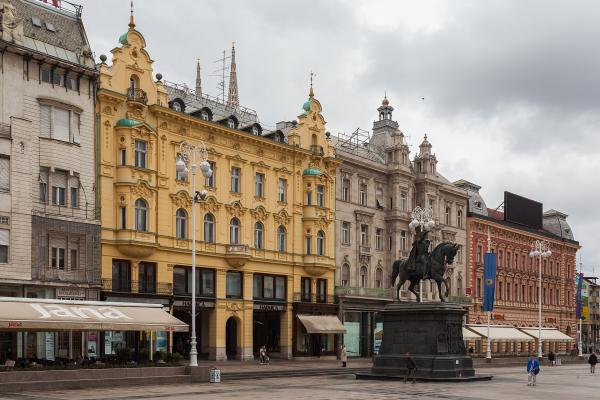
The square is named after Josip Jelačić, the Ban, the Croatian title often translated as Governor, who led Croatian troops in the revolutions of 1848 and became a national hero. His equestrian statue stands in the middle of the square, a bronze figure of the ban on horseback with his sword raised to the south, which was made by an Austrian sculptor and unveiled in 1866. The statue carries a heavy political meaning. In 1947, the communist authorities, under Tito and the new Yugoslavia, removed it, since Jelačić was regarded as an unsuitable figure for the new order, and for more than forty years the square bore a different name. In 1990, as communism ended and Croatia moved toward independence, the statue was restored to its place, a powerful act of national identity that is remembered by many.
Before it received its present name, the open space was known as Harmica, a word connected with a tax or customs point, and it took on its current name in 1848. Today the buildings that enclose the square mostly date from the nineteenth century, and they display a mixture of styles, including Biedermeier, Secession, or Art Nouveau, and some later additions, among them examples of Postmodernism. Surrounding the statue, façades with ornate balconies, tall windows and decorative details create a lively and varied backdrop. The Manduševac fountain, near the statue, marks the spring from which the city is said to have taken its name, and the square’s pavement is lit and animated in the evening.
It is a place for meeting. Zagrebians say they will meet under the clock, and the square is a popular rendezvous before a walk or a coffee. Visitors can reach the Dolac Market a few steps to the north, and the Upper Town can be reached by the short funicular or by stairs, so the square fits into any walking route. Cafés and restaurants offer pizza, coffee and cakes, and the shopping streets of Ilica and the lower town lead away in several directions.
The square is open at any hour and costs nothing. A visit takes twenty to forty-five minutes, though many linger longer. It suits everyone, and it is at its best in the early morning, when it is quiet, and in the evening, when the lights come on and the city comes out to stroll.
Categories
More photos coming soon
Hours & Fees
- Open
- Open year-round, 24/7
- Admission
- Free
Hours and prices change, especially out of season. Check with the venue before you go.
Nearby Attractions
Other places to visit in Zagreb
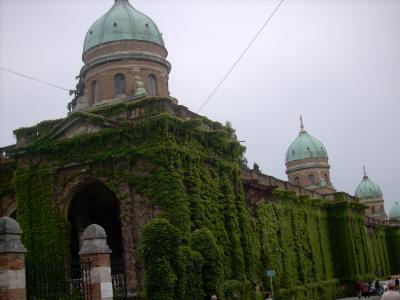
Mirogoj Cemetery
Architectural masterpiece and multi-faith resting place
History & Heritage · Urban Exploration

Zagreb Cathedral
Gothic cathedral with twin spires and historic relics
Cultural Experiences · History & Heritage
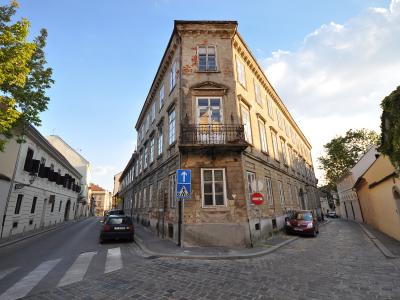
Upper Town (Gornji Grad)
Historic Zagreb district with medieval landmarks
Cultural Experiences · Urban Exploration
Zagreb Botanical Garden
Urban oasis with diverse rare plant species
Cultural Experiences · Natural Wonders
Questions people ask
Quick Facts
Best Time to Visit
Late May to mid-September offers warm weather, blooming parks, and lively festivals; spring and early autumn are ideal for sightseeing and outdoor café culture.