







Baranja Culinary Experience (Hearty Stews, Sausages, Grilled Fish, Sweet Desserts)
Hearty stews, sausages, grilled fish, and sweet desserts
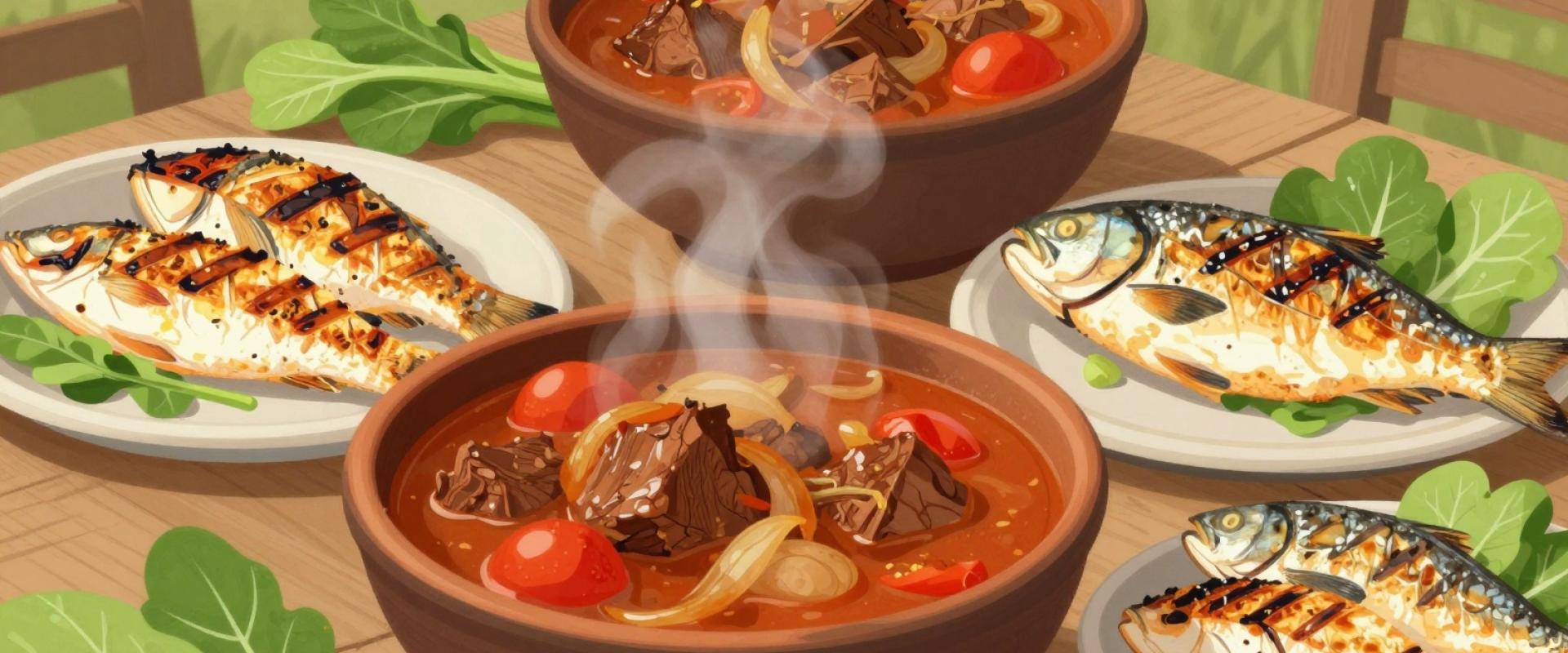
The Culinary Experience of Baranja, meaning the cooking of the region, the region in the far northeast of Croatia between the Danube and the Drava, is among the most distinctive in the country, a Croatian culinary experience, and it makes a good reason to visit. The area’s position at a crossroads of cultures has produced a cuisine that blends Slavic, Hungarian and local traditions, and its dishes are hearty, spicy and generous, designed to feed farmers and fishermen on the flat, fertile plain.
The ingredients come from the land and the water. Baranja has rich agricultural soil, with fields of maize, wheat, vegetables and orchards, and it has an abundance of pigs, which are raised on farms and turned into sausages, smoked meats and the famous kulen, a spicy paprika sausage that is dried and aged. It also has the rivers, lakes and wetlands of the Danube and Drava floodplain, which provide a rich supply of freshwater fish. Paprika, as in Hungary, is central, giving dishes a deep red colour and warm flavour. Travellers will often find hearty stews and sausages in local restaurants and family establishments, served in portions that suggest the cook intends no one should leave hungry.
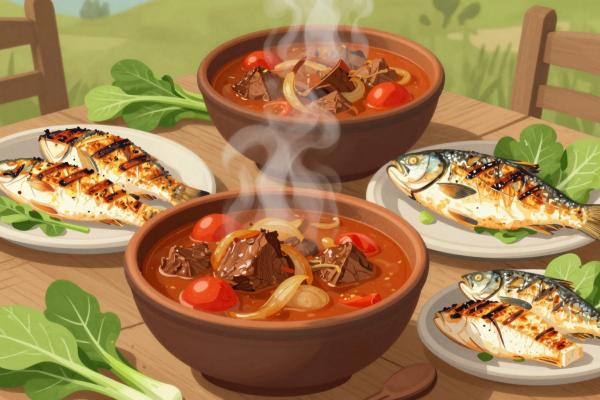
Fish is a particular specialty. The best-known dish is fish paprikash, a stew of mixed river fish simmered in a paprika-rich broth and eaten with noodles, which is cooked slowly in a cauldron over an open fire and is a point of pride for Baranja cooks. Grilled fish is another staple, and the region hosts the largest Croatian Fish Festival, in Beli Manastir, at which more than two hundred participants prepare and serve fish dishes of every kind, giving visitors a direct opportunity to taste and to meet the local cooks. Sweet desserts, often based on local fruit, nuts and dairy products, such as strudels, cakes and pancakes, round off the meal, and they reflect a Central European tradition of baking.
The region’s cultural history adds to the flavour. After the First World War, under the Treaty of Trianon of 1920, Baranja was divided, and the northern part was given to Hungary while the southern part became part of the new Yugoslav state, which left a multicultural population of Croats, Hungarians, Serbs and others, and a cuisine that bears traces of them all. Baranja has been recognised on several occasions as the Best Rural Destination in Croatia, and its rural tourism, in which families welcome guests to their homes, is well developed.
The food goes hand in hand with wine. Baranja’s vineyards produce fresh white wines, and events such as the Wine Marathon allow visitors to taste local varieties along a route through the vineyards and villages. There are no fees for culinary experiences as such, and prices vary between restaurants and households. Visit local eateries, attend seasonal festivals, and book ahead in summer. The experience suits food and wine lovers, families and anyone who enjoys regional cooking in a friendly setting.
Categories
More photos coming soon
Nearby Attractions
Other places to visit in Baranja

Frequently Asked Questions
Quick Facts
Best Time to Visit
April to October offers mild weather ideal for outdoor activities and exploring the region's rich cultural heritage.