







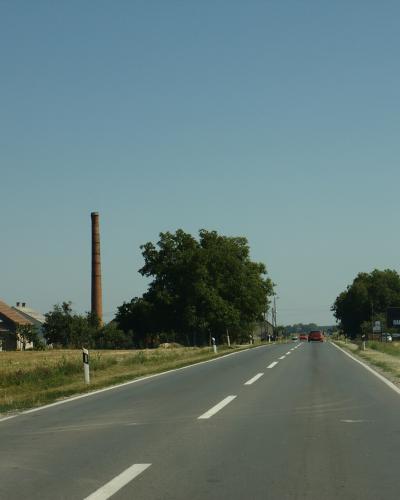
Kneževo is a village in Baranja, the triangle of fertile land in the far north-east of Croatia, between the Danube and the Drava, in Osijek-Baranja County. Baranja is a region of flat plains, loess hills, vineyards and wetlands, and it has a distinct culture influenced by the Hungarian, Croatian, Serbian and German communities who have lived side by side here. Kneževo is a quiet, farming village, and it is best understood as one of the places that carry the character of the region, rather than a destination with a single headline sight.
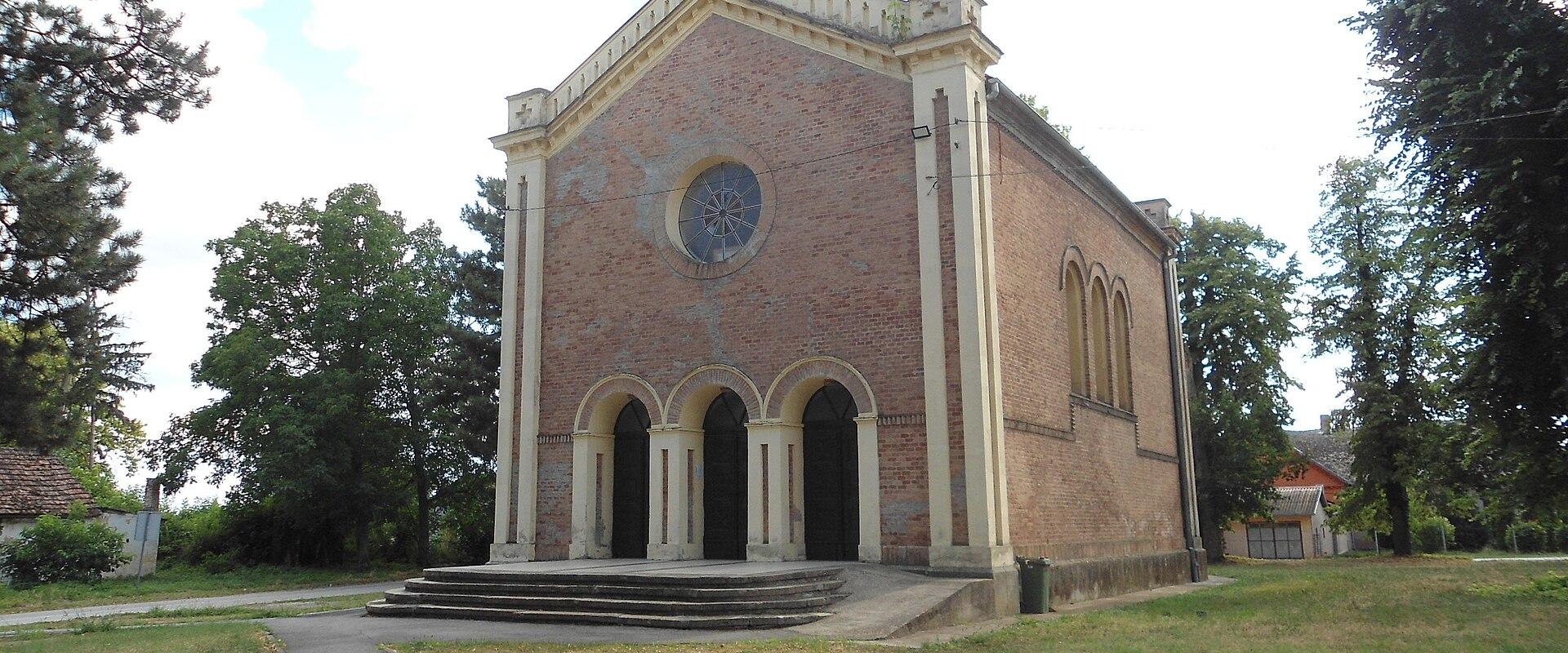
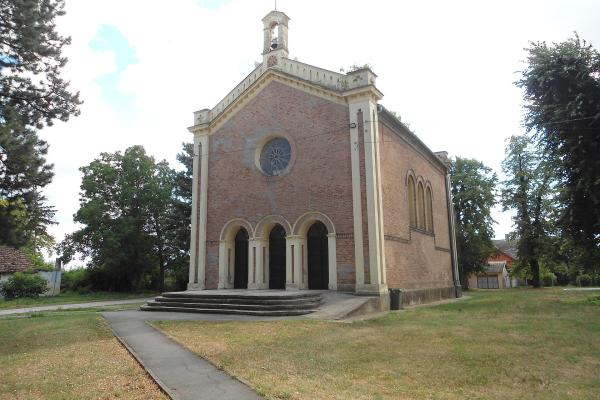
The village is linked with the history of the great Belje estate, one of the largest agricultural estates in central Europe, which for generations controlled much of the land in Baranja. The estate was owned by powerful noble families and, later, by Habsburg archdukes, and its administrators built manor houses and farm buildings in various villages. Kneževo has a historic manor house of this kind, on Osječka Street, which gives the village a touch of faded grandeur even though it is no longer in its original use. The church in the village is dedicated to St. Michael the Archangel and dates from the eighteenth century, a modest, solid building typical of the Baroque parish churches of Slavonia and Baranja. A small park and an old village well complete the picture of a settlement built around a central space.
For visitors, Kneževo is a good base for exploring the wider region, and the siblings listed for Baranja in this guide give a sense of the possibilities. The vineyards of Baranja, including those of the Belje estate, are reached by cycling routes, and the wine routes lead to family cellars, where Graševina, Chardonnay, Traminer and red wines are served. Baranja's cellars are known for a tradition of gathering and singing, and the wine cellars in the vineyards, locally called gatori in some places, are part of village life. Draž, nicknamed the Baranja Maldives for its beach and lake, is a short drive away, and the village of Karanac preserves traditional architecture and folk customs, with songs, dances and costumes that are still performed at festivals. The Danube forests at Zlatna Greda and the huge Kopački Rit wetland offer walking, birdwatching and boat trips.
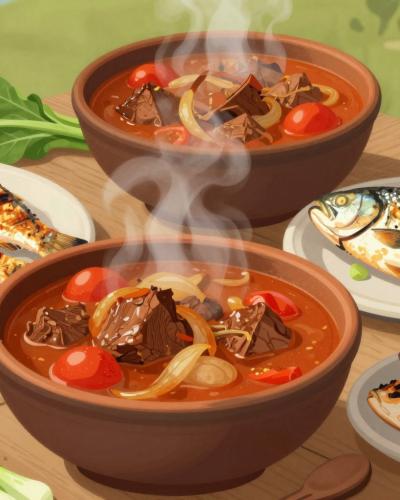
Baranja's food is a major reason to visit. Hearty dishes such as fish stew, made with river fish and plenty of paprika, spicy sausages, grilled fish and sweet pastries are served in village inns and family restaurants. Many local events, including harvest festivals in summer and autumn, bring the community together with music and food.
Plan a stop of an hour in the village itself, to see the church, the park and the manor from the outside. Be aware that most buildings are not open to the public. The village suits cyclists, food lovers and anyone exploring Baranja at a slow pace.
Categories
More photos coming soon
Nearby Attractions
Other places to visit in Baranja
Frequently Asked Questions
Quick Facts
Best Time to Visit
April to October offers mild weather ideal for outdoor activities and exploring the region's rich cultural heritage.