







- Where
- Baranja, Baranja
- Directions
- Directions
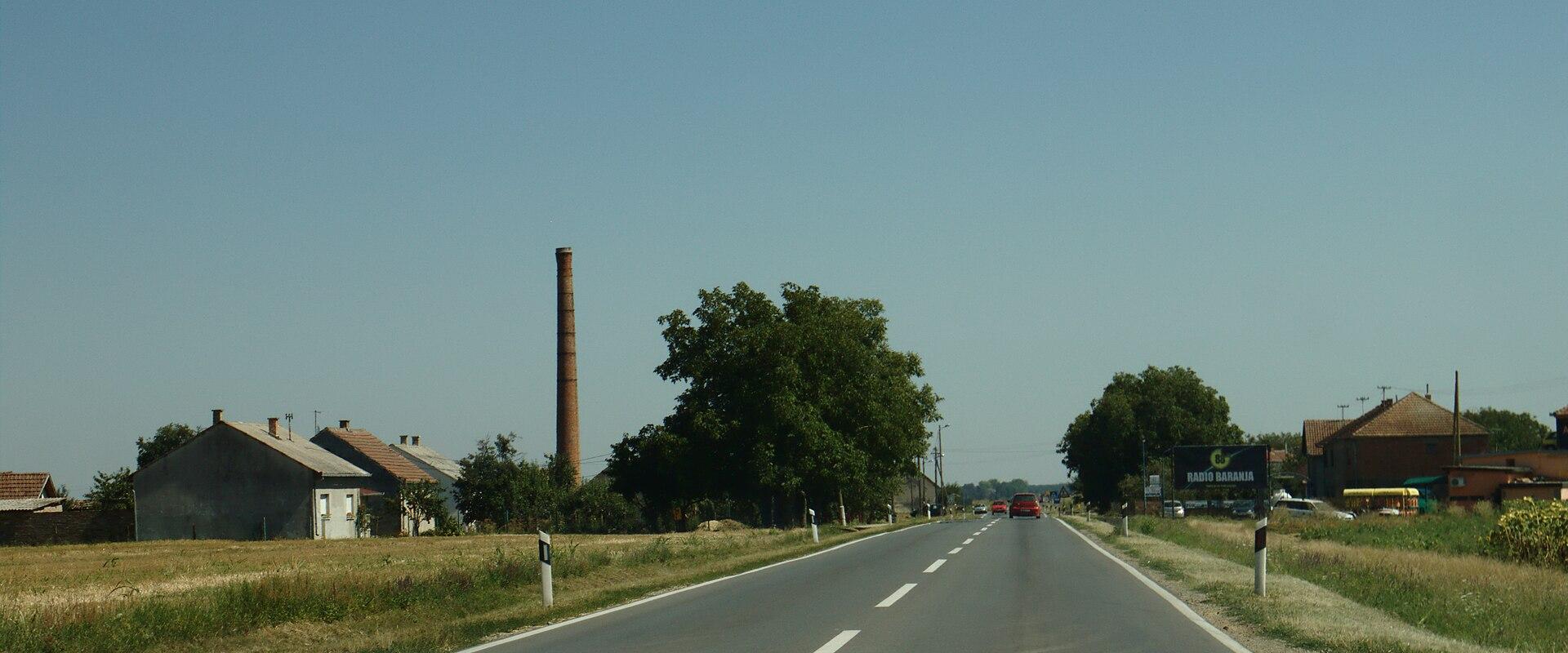
Karanac is a village at the centre of Baranja, the corner of Croatia between the Danube and the Drava, and it is often described as one of Croatia’s most traditional settlements, in the Slavonian tradition of the plain. Its long streets of Pannonian houses, with their colourful decoration and open porches, give a picture of rural life on the plain as it was lived for generations, and it has become a destination for visitors who want to see living tradition rather than a museum.
The architecture is the first thing you notice. The houses are low and long, with their gable ends facing the street and a shaded porch running along the front, a form adapted to the climate and to the way families lived and worked in a farming community. Walls are whitewashed and often painted with bright floral motifs, and in autumn strings of red paprika hang from the eaves to dry. The village’s layout, a long street lined with houses and courtyards, is typical of the Pannonian plain, and some of the old buildings have been preserved or restored to keep the character of the settlement. Karanac also has three churches, which reflects the mixed religious make-up of Baranja, where Catholic, Orthodox and other communities have lived side by side.
One highlight for visitors is the Street of Forgotten Time, a lane where old crafts are shown and practised. Demonstrations may include pottery, carpentry, weaving and the making of wooden clogs, and visitors can see the tools and learn how things were made before industrial production. The focus is on hands-on experience, which makes it a good stop for families. The village has also been proud of a long avenue of cherry trees, which is spectacular when it blooms in spring.
Food and wine complete the picture. Baranja cooking is hearty and spicy, built on paprika, pork, freshwater fish, and sausages, and Baranjska kuća is a well-known restaurant that serves traditional dishes in rustic surroundings. Family-run wineries in the village offer tastings of the region’s white wines, and the vineyards on the nearby hills are part of the wine routes of Baranja. Annual events, including an ethno fair and a festival devoted to pork crackling, bring crowds and music to the village, and the programme often includes tastings, exhibitions and activities for children.
Karanac suits those who enjoy rural culture, food and photography, and it is one of Croatia’s easiest rural stops to fit into a day trip from Osijek or a longer tour of Baranja that includes the Danube forests, the cycling routes of the Belje vineyards and the sandy beach at Draž. Visit in autumn for the harvest or in spring for the blossom, and book meals ahead at busy times.
Categories
More photos coming soon
Nearby Attractions
Other places to visit in Baranja
Baranja Maldives (Draž sandy beach)
Sandy beach and pier at Draž, Croatia’s Baranja Maldives
Coastal & Maritime · Beaches
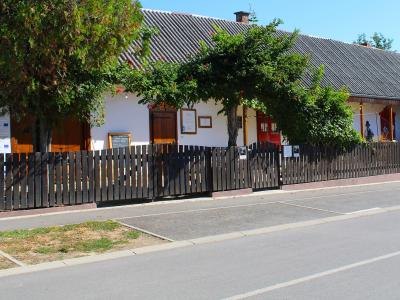
Karanac Village
Historic Baranja village with traditional crafts and wine...
Cultural Experiences · History & Heritage
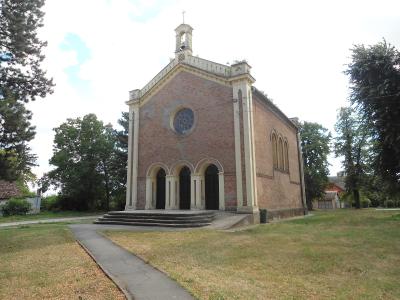
Kneževo
18th-century church and historic village park
Activities & Adventure · Natural Wonders

Baranja Culinary Experience (Hearty Stews, Sausages, Grilled Fish, Sweet Desserts)
Hearty stews, sausages, grilled fish, and sweet desserts
Food & Gastronomy
Questions people ask
Quick Facts
Best Time to Visit
April to October offers mild weather ideal for outdoor activities and exploring the region's rich cultural heritage.