







- Where
- Baranja, Baranja
- Directions
- Directions
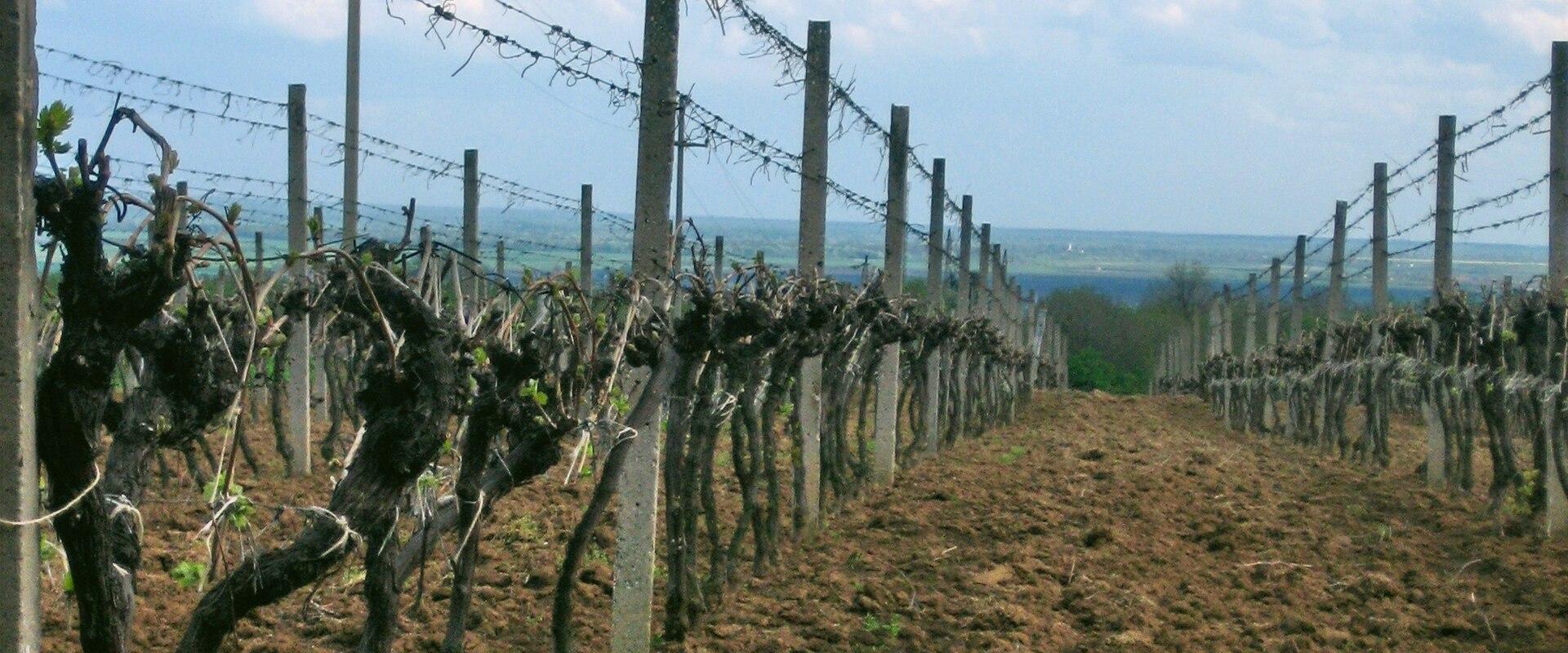
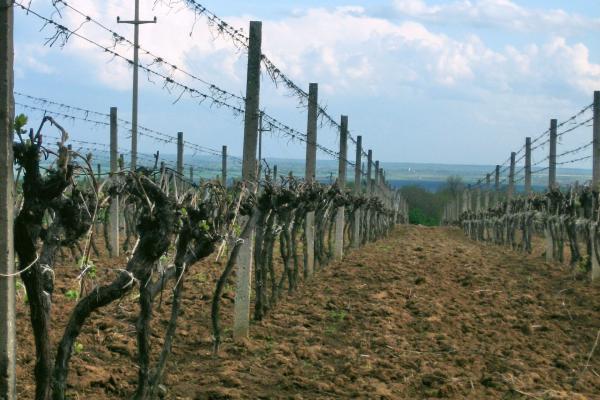
The vineyards of Baranja cover the low hills of the far northeast of Croatia, between the Danube and the Drava, and they form one of the most important wine landscapes in the country. Baranja is often called a land of wine, and vines have been grown here since Roman times, when the emperor Probus encouraged viticulture in the Pannonian provinces. The region has a continental climate, with warm summers and cold winters, and the soil on the slopes is largely loess, a fine, wind-deposited material that holds warmth and drains well. These conditions suit white grapes in particular, and the main varieties include Graševina, Riesling, Pinot, Traminer and Chardonnay. The vineyards around Zmajevac are among the best known, and the village is at the centre of the wine trade.
One of the highlights is the Belje estate, a large agricultural company founded at the end of the 17th century, after the Ottomans were driven out, when the estate passed to Prince Eugene of Savoy. Belje owns extensive vineyards on Ban's Hill, known in Latin as Mons Aureus, the Golden Mountain, a ridge that rises above the plain and gives panoramic views over the Pannonian lowland. A wine road of about eight kilometres winds through the vineyards on the hill, with viewing points and places to stop, and visitors can follow it on foot, by bicycle or by car. From the top, you see rows of vines running down to the village, the plain beyond, and, on a clear day, the line of the Danube and the border with Serbia.
Wineries in the area welcome guests for tastings, tours of the cellars and traditional meals. Many of the cellars are dug into the loess hillside and keep a naturally cool temperature, which gives them a special atmosphere. The tastings are usually informal, and the owners often tell stories about the history of their families, the vineyards and the customs of the region. Baranja's wine culture is deeply tied to folklore, music and hospitality, and a visit often turns into a social occasion, with tamburica players and local dishes such as fish stew, smoked sausages and homemade pastries. Neighbouring villages, such as Kneževo, add to the choice of places to taste.
The best time to visit is the autumn harvest, in September and October, when the hills are full of colour and activity, though spring and early summer are also pleasant. Arrange visits in advance where possible, since some cellars keep irregular hours, and if you plan to taste, arrange a driver or stay overnight. The region has other attractions, including the Kopački Rit wetland, the Danube forests at Zlatna Greda, and the beach at Draž.
The vineyards suit wine lovers, cyclists, photographers and anyone who enjoys rural hospitality. Allow a half day for the wine road and a tasting.
Categories
More photos coming soon
Nearby Attractions
Other places to visit in Baranja
Baranja Maldives (Draž sandy beach)
Sandy beach and pier at Draž, Croatia’s Baranja Maldives
Coastal & Maritime · Beaches
Karanac Village
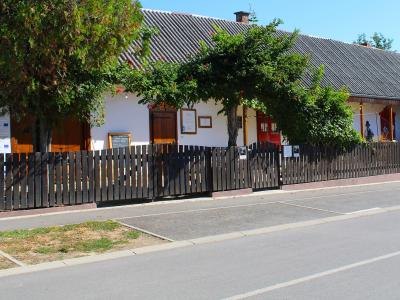
Historic Baranja village with traditional crafts and wine...
Cultural Experiences · History & Heritage
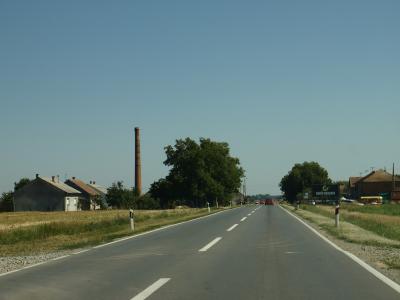
Village of Karanac
Historic Baranja village with traditional crafts and cuisine
Cultural Experiences
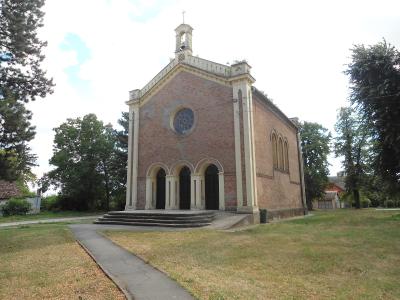
Kneževo
18th-century church and historic village park
Activities & Adventure · Natural Wonders
Questions people ask
Quick Facts
Best Time to Visit
April to October offers mild weather ideal for outdoor activities and exploring the region's rich cultural heritage.