







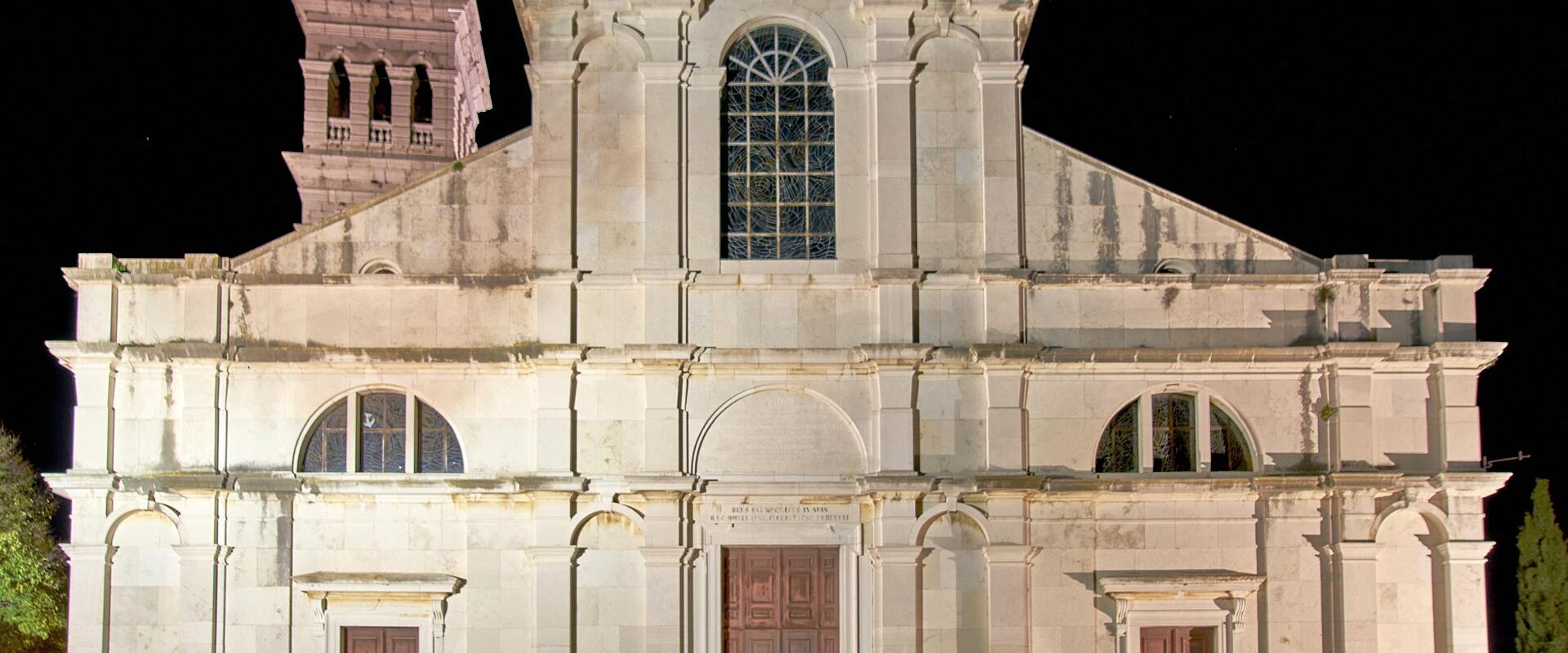
Cathedral of St. Euphemia
- Where
- Rovinj, Istria
- Directions
- Directions
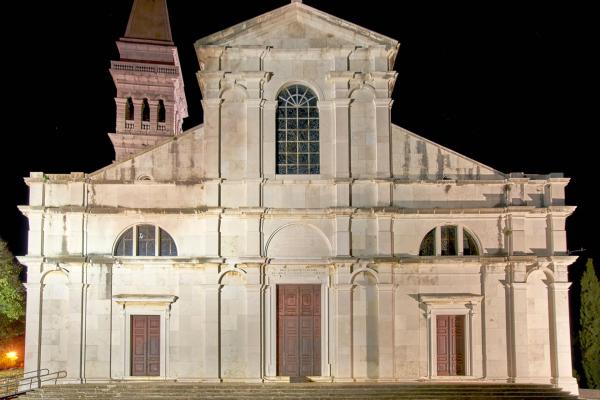
Rovinj is the most photographed town in Istria, Croatia, and above its harbour, on the highest point of the old peninsula, stands the Church of St. Euphemia, whose tall bell tower can be seen from every approach by land and sea. It is a baroque church, built in the early 18th century, and it is dedicated to the town's patron saint, a young woman who is said to have been martyred in the early 4th century. The church is often called the Cathedral of St. Euphemia by visitors, and it is the biggest and most important building in Rovinj, as well as the spiritual centre of the town.
The story of the saint explains why the church matters so much. Euphemia lived in Chalcedon, near Constantinople, and was put to death for her Christian faith around the year 304. According to local tradition, her marble sarcophagus disappeared from Constantinople centuries later and appeared off the coast of Rovinj during a storm in the year 800. The people of the town could not move it, until a child with two calves brought it up the hill, where the church now stands. Whatever the truth of the legend, the sarcophagus has been honoured in Rovinj for more than a thousand years, and it rests today in the church, in a side chapel behind the main altar. The feast of St. Euphemia, on 16 September, is the main holiday of the town, with a procession, a mass and a fair.
The building itself is a good example of baroque architecture in Istria. It was built between the 1720s and the 1730s on the site of an earlier church, and it has a wide, light interior with three aisles, tall columns, gilded altars and paintings. The façade is simple, and the main interest lies in the interior and in the tower. The bell tower, begun in the 17th century, was inspired by the campanile of St. Mark in Venice, and it rises to about sixty metres. At its top stands a copper statue of the saint that turns in the wind, so that fishermen and sailors can tell the direction of the breeze, a detail that has long been a symbol of the town. Visitors can climb the tower on a steep wooden stair for an excellent view over the red roofs, the sea and the islands, and the effort is repaid by the sight.
The approach to the church is part of the experience. A cobbled lane called Grisia Street, lined with artists' galleries and shops, climbs from the harbour past Balbi's Arch to the hilltop, and the Rovinj Heritage Museum and the Batana Eco-Museum lie below. Opening hours depend on services, and visitors should dress modestly, since covered shoulders and knees are expected in the church. The climb is steep, and the paving is worn, so wear comfortable shoes.
The church suits history lovers, photographers and anyone exploring Rovinj. Go early in the morning or around sunset for the best light and the fewest crowds.
Categories
More photos coming soon
Nearby Attractions
Other places to visit in Rovinj
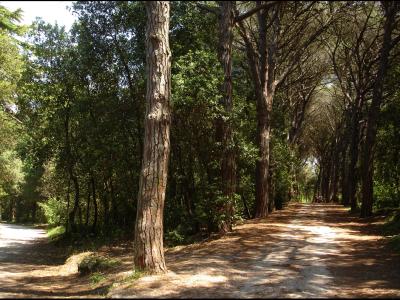
Punta Corrente (Golden Cape) Park
Protected forest park with diverse native flora
Activities & Adventure · Coastal & Maritime
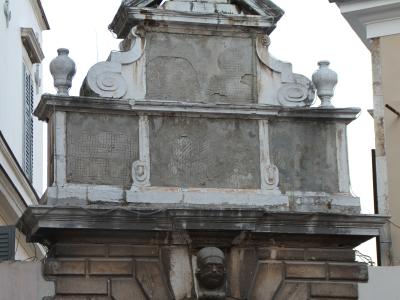
Balbi's Arch
17th-century Venetian arch marking Rovinj’s old town entr...
Free History & Heritage · Urban Exploration
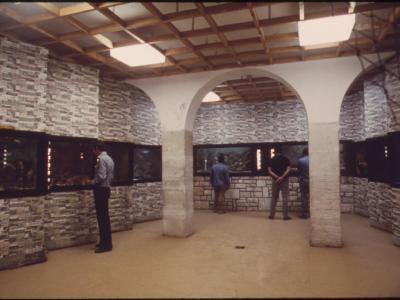
Rovinj Aquarium
Adriatic marine life showcased in coastal Rovinj
Coastal & Maritime · Cultural Experiences
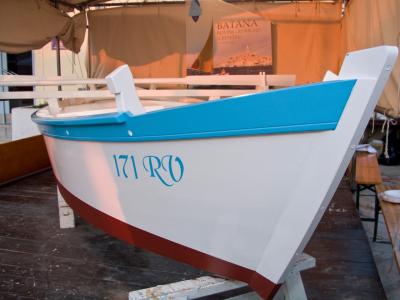
Batana Eco-Museum
Traditional wooden boats and maritime heritage
Cultural Experiences · Natural Wonders
Questions people ask
Quick Facts
Best Time to Visit
April to September offers warm weather, lively festivals, and ideal conditions for sightseeing, beaches, and exploring Rovinj’s old town and islands.