







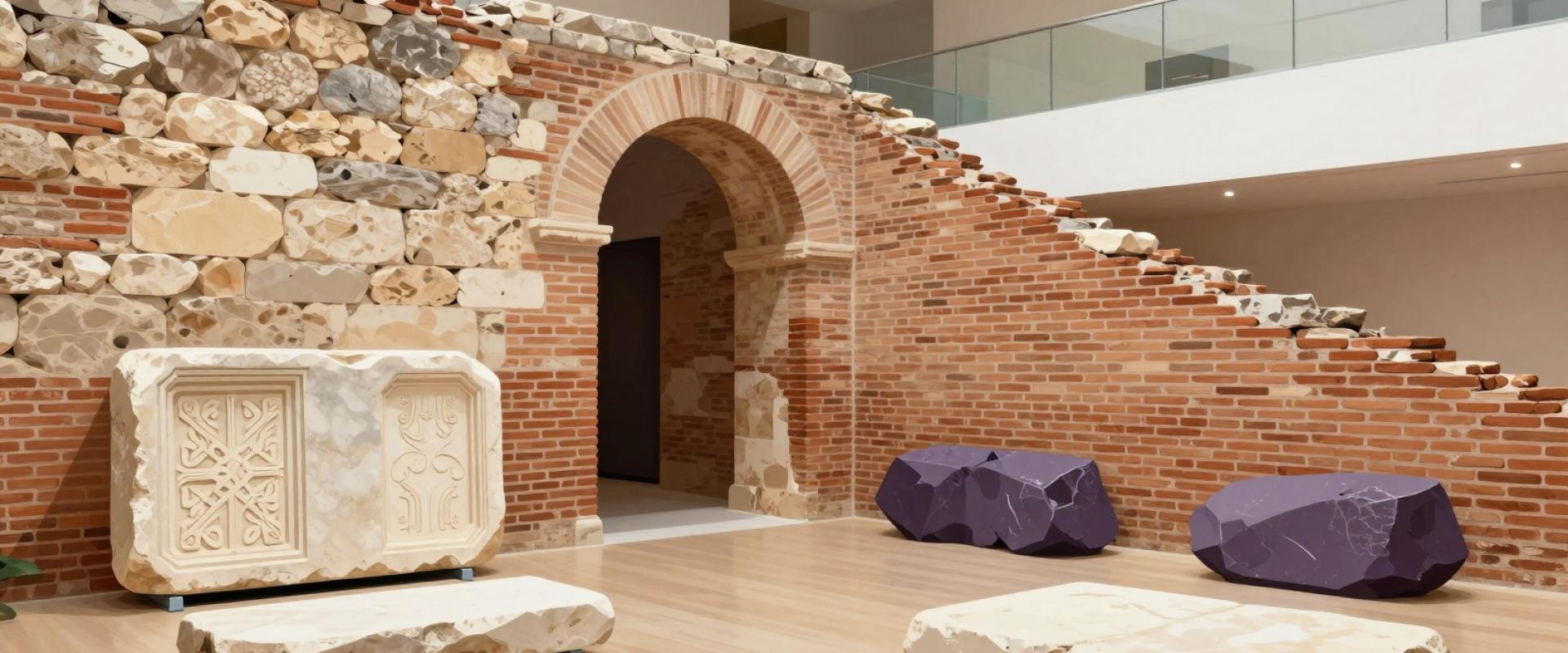
Cathedral Treasury Split (Cybele Temple)
UNESCO site housing Roman and Baroque art
- Where
- Split, Dalmatia
- Directions
- Directions
The Cathedral Treasury in Split is a small museum of sacred art, housed in the middle of Diocletian's Palace, directly opposite the Cathedral of St. Domnius. The Palace, built around the year 300 AD as the retirement residence of the Roman emperor Diocletian, is one of the best-preserved Roman monuments in the world and a UNESCO World Heritage site, and the treasury is one of the places in which its layers of history can be felt most clearly. The building that holds the collection is linked in tradition to the ancient Temple of Cybele, a Roman shrine of the palace, and to the fabric of the old structures. Over the centuries, Christian communities adapted pagan temples and imperial buildings for their own use, and the cathedral itself, which began as Diocletian's mausoleum, is the most famous example. The treasury continues this story on a smaller scale.
The collection consists mostly of liturgical objects, vestments and sacred art preserved by the church of Split over many centuries. Visitors find silver reliquaries, some in the shape of busts, in which the relics of saints are kept, richly embroidered chasubles and other vestments, chalices, crosses, and illuminated manuscripts and early printed books. These objects illustrate the development of religious life in Dalmatia from the early Middle Ages to the Baroque, and they show the influence of Byzantine, Romanesque, Gothic and Venetian art. Among the highlights are very old liturgical books and works of goldsmiths from the region. The collection is compact, and its quality rewards a slow look at the details of the craftsmanship, such as the fine engraving and the delicate stitching.
The atmosphere is quiet and contemplative, which makes the treasury a good counterweight to the crowds in the streets outside. Informational panels explain the significance of the main objects and help visitors understand the context, and the explanation of how Roman buildings were reused is particularly interesting. A visit takes about half an hour, though it can be longer for those with a specialised interest in art history or religious heritage. Opening hours are typically linked to the cathedral's services and the tourist season, so it is wise to check the current schedule and ticket arrangements before you go, and visitors should dress modestly and respect the sacred character of the objects.
The treasury combines well with the other parts of the palace. The Cathedral of St. Domnius and its Romanesque bell tower, the Peristyle, the Temple of Jupiter and the underground halls are all within a minute or two on foot, and the Church of St. Vitus, the Meštrović Gallery and the waterfront Riva are nearby. A combined ticket is often available for the cathedral, the bell tower, the crypt and the treasury, which can be good value.
The treasury suits lovers of art history and religious heritage, and travellers who want a deeper view of Split. Visit in the morning, before the main crowds arrive.
Categories
More photos coming soon
Nearby Attractions
Other places to visit in Split
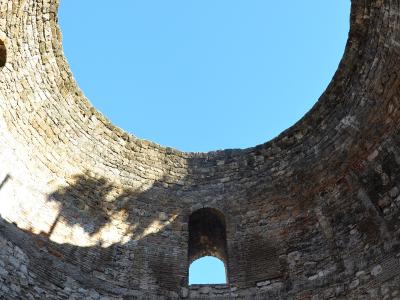
Diocletian's Palace
Ancient Roman palace and UNESCO site in Split
Cultural Experiences · History & Heritage

ATV Tour Near Split
ATV quad tours through Dalmatian canyons and rivers
Activities & Adventure
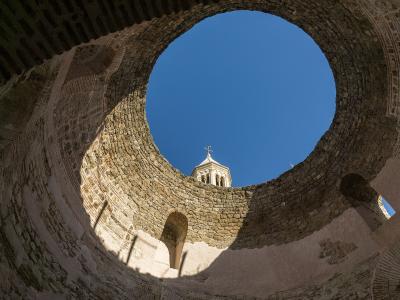
Bell Tower Of Saint Domnius
60m Romanesque bell tower in UNESCO site
Cultural Experiences · History & Heritage
Church of St. Vitus
Small stone church in Split
Cultural Experiences · History & Heritage
Questions people ask
Quick Facts
Best Time to Visit
May to June and September to October offer warm weather, fewer crowds, and ideal conditions for sightseeing, beaches, and exploring Split’s vibrant old town.