







- Where
- Cernik, Slavonia
- Directions
- Directions
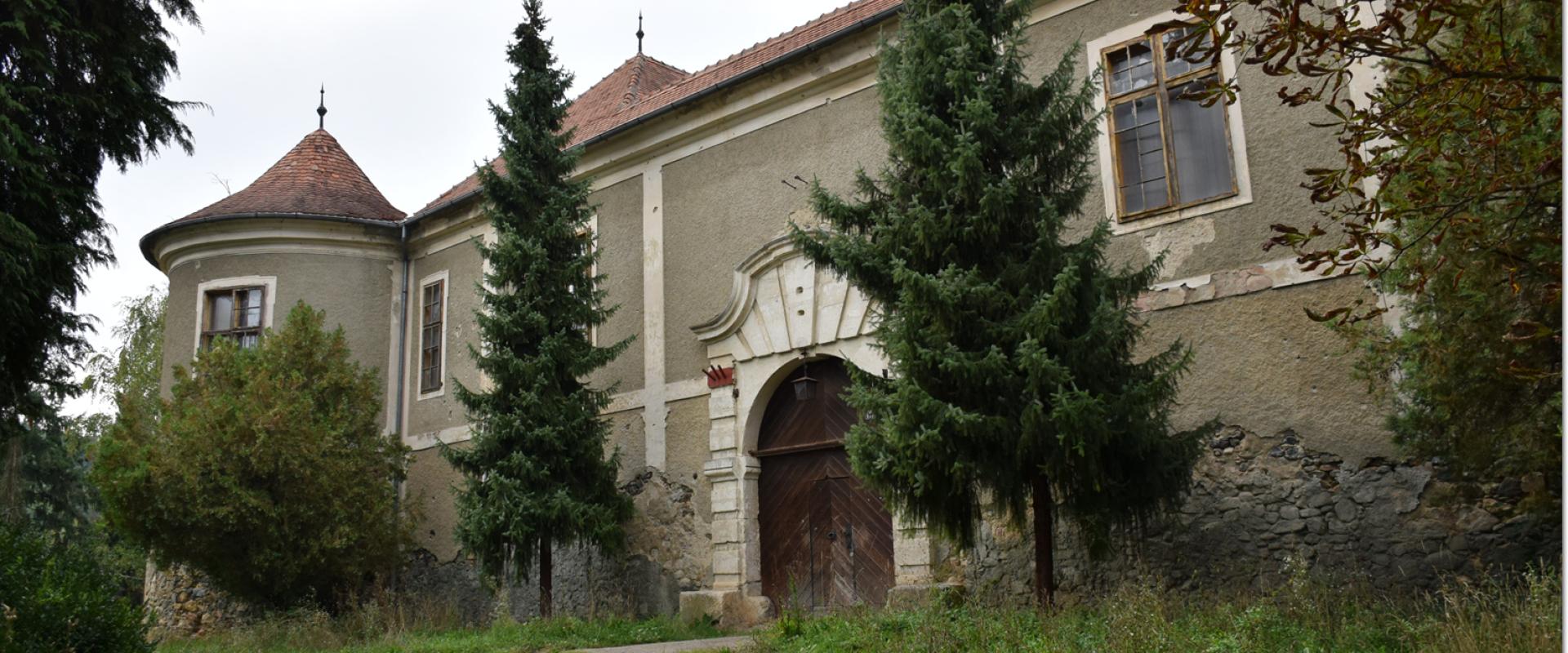
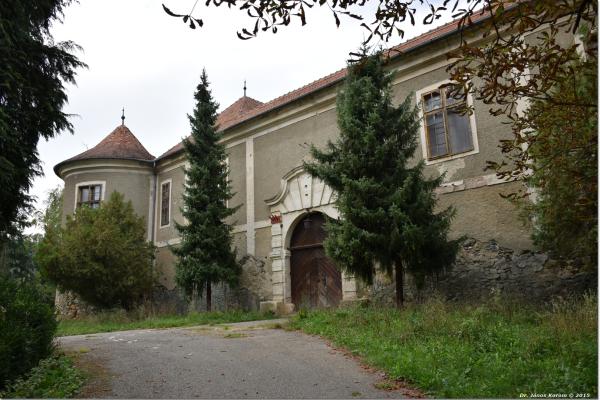
Cernik Castle, also called Kulmer Castle, is a historic manor in the village of Cernik, in the Slavonia region of eastern Croatia, not far from Nova Gradiška and the Sava river plain. The first mention of a fortified place at Cernik dates to 1255, and the site has gone through many changes since then. It began as a medieval fortress, was reshaped over the centuries, and was eventually turned into a Baroque noble residence in the 18th century. The Marković family, who acquired the estate in 1756, led the Baroque renovation, and traces of that work are still visible, including the family coat of arms above the entrance.
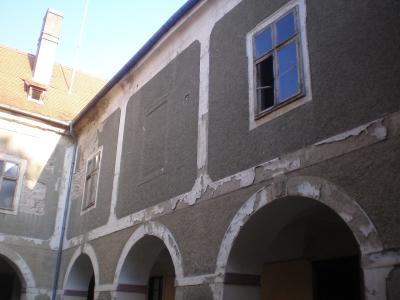
Despite later alterations, the castle keeps a recognisable older shape. It has a square plan around an inner courtyard, with round towers at the corners, a form that goes back to fortified buildings of the Renaissance and earlier. The Baroque phase added more refined windows, decorative details and a more residential character. Slavonia was under Ottoman control from the 16th to the late 17th century, and the castle passed through that turbulent period before the region was brought under Habsburg rule and noble families received estates. Later owners included the Kulmer family, whose name is still attached to the building in the modern name.
Today the castle is in poor condition and is waiting for restoration, so visitors should expect a quiet, weathered building rather than a polished museum. It is best viewed from the outside, with an eye for the proportions of the towers, the courtyard walls and the gate. Photographers and architecture enthusiasts will find it a rewarding subject, and the setting in a calm Slavonian village adds to the atmosphere. Check locally before attempting to go inside, since access to a building in this state is not guaranteed and may be restricted for safety.
The castle stands in the old part of Cernik, next to the Franciscan monastery and its large church, which are part of the same historic cluster. The Church of Saint Michael the Archangel is another landmark in the village, and a short walk allows you to see all of these in a single visit. The surrounding countryside is flat and agricultural, with fields, orchards and small farms, and it feels very different from the coast.
Cernik suits people who like off-the-path heritage, particularly those travelling along the Zagreb to Slavonski Brod motorway who want a short stop with historical interest. Plan about 30 to 60 minutes, and bring a camera.
Categories
More photos coming soon
Questions people ask
Quick Facts
Best Time to Visit
Mid-June to mid-September offers warm weather, vibrant festivals, and ideal conditions for exploring castle ruins, churches, and the rural countryside.