







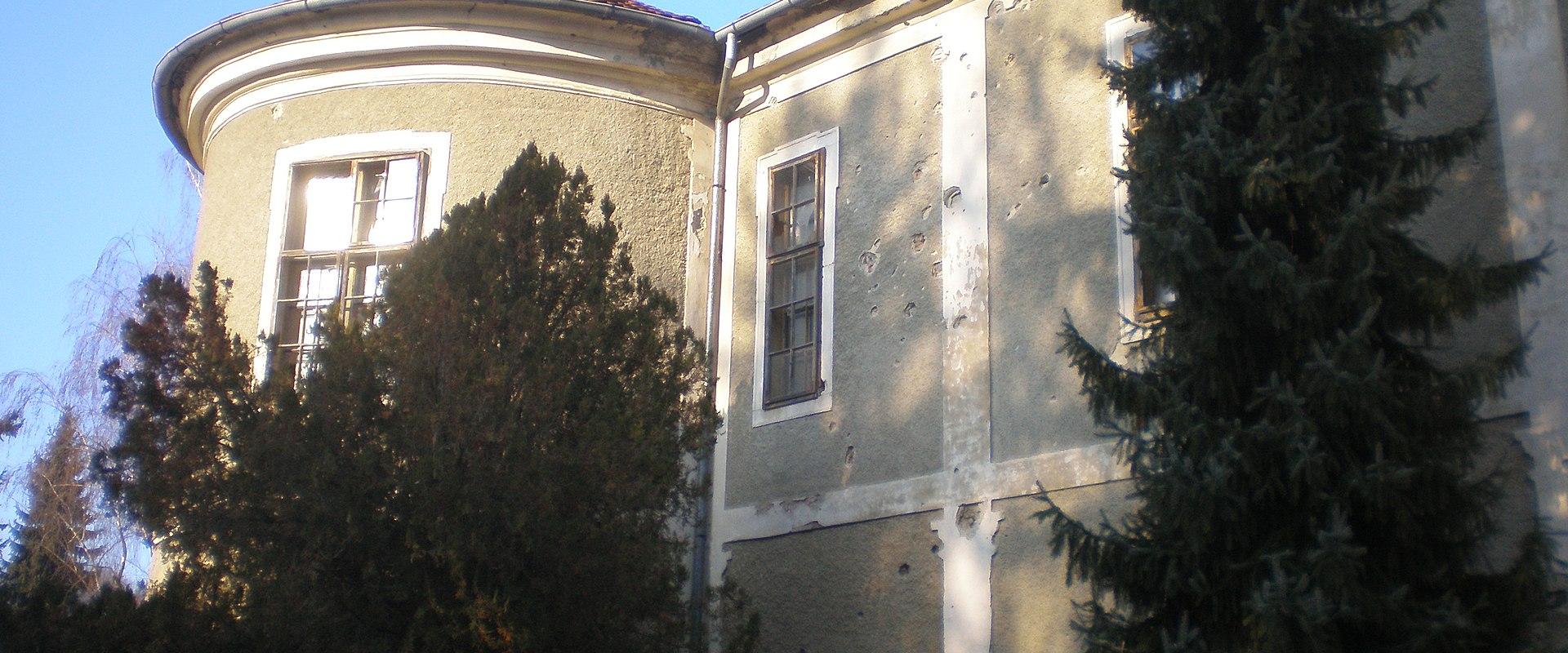
Cernik’s history stretches back to the Middle Ages, when its position between the Sava River and the wooded hills made it a useful stronghold in Slavonia. The village flourished under various rulers, including the Ottomans and the Habsburgs, each leaving their mark on its architecture and culture. After the Ottoman retreat at the end of the 17th century, the district was resettled and became part of the Habsburg military border, and noble families built manor houses to administer their estates. The most prominent historical site is Cernik Castle, known also as Kulmer Castle after the family that owned it, and sometimes as Kulmer-Marković Castle. Once a grand residence, it now lies in evocative ruins, offering a glimpse into the region’s past. Visitors can explore the remains of walls and rooms and imagine the days when the estate governed the surrounding villages.
Cernik is also home to Baroque churches, including the Church of St. Peter and Paul, which is a point of interest for its religious and artistic heritage. The Church of Saint Michael the Archangel is another place where the local past is visible, and the peaceful churchyards make a good stop for a short walk. The ornate interiors and quiet setting of the churches make them a focal point for community gatherings and festivals. Throughout the year, Cernik hosts traditional events that celebrate Slavonian music, dance and gastronomy, with local specialities such as kulen sausage, homemade bread and regional wines featured at village feasts.
Nature lovers will appreciate the rolling hills, forests and meadows that surround Cernik. The area is good for hiking, cycling and exploring the rural landscape, with trails through woodland and along the banks of the Sava River. Birdwatching, fishing and picnicking are popular activities, especially in spring and summer when the countryside is at its most vibrant. Parks and green spaces in the village provide quiet places for relaxation and family outings. Nature in this part of Slavonia is gentle rather than dramatic, with long views, hedgerows and hay meadows.
Cernik’s location makes it a convenient base for exploring the wider Brod-Posavina region. Nearby attractions include the town of Nova Gradiška, known for its cultural events and historic sites, and the natural reserves along the Sava River. The spa town of Lipik and the western slopes of Psunj are within a short drive, and the motorway makes the capital easy to reach.
Practical matters are simple. The village is accessible by road, with regular bus connections to regional centers. Accommodation options include guesthouses, rural homestays and small hotels, offering a comfortable base for visitors. Restaurants are few, so it is worth asking at a guesthouse about local meals, and farm shops are good places to buy sausages, honey and cheese.
The best time to visit Cernik is from mid-June to mid-September, when the weather is warm and the village’s festivals and outdoor activities are in full swing. Spring and early autumn also offer mild temperatures and beautiful scenery, ideal for sightseeing and enjoying the relaxed pace of rural life. Whether you are interested in history, nature or local traditions, Cernik provides an authentic and memorable Slavonian experience.
Best time to visit
Mid-June to mid-September offers warm weather, vibrant festivals, and ideal conditions for exploring castle ruins, churches, and the rural countryside.
What to see in Cernik
Our picks first.
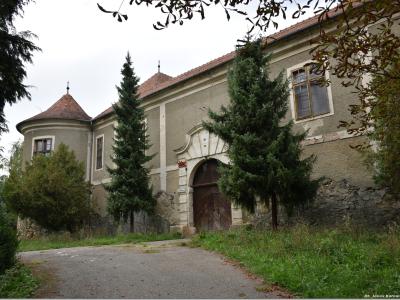
Cernik Castle (Kulmer Castle)
Medieval Renaissance castle with Baroque heritage
History & Heritage · Castles
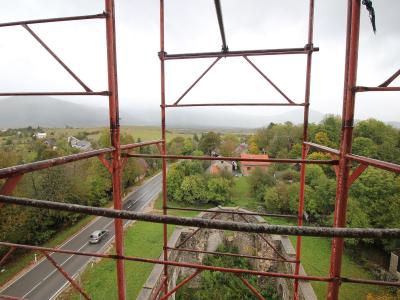
Church of Saint Michael the Archangel
Historic church honoring Croatia's patron archangel
Cultural Experiences · History & Heritage
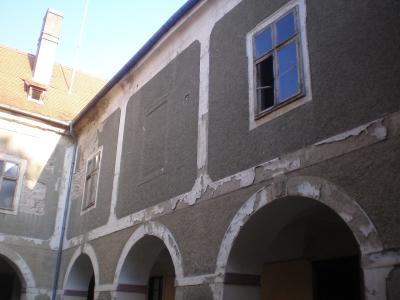
Kulmer Castle
Medieval Renaissance castle with Baroque heritage
History & Heritage · Castles
Cernik by interest
The same sights, grouped by what you came for.
Planning a visit to Cernik
Good to know
- Currency
- EUR
- Language
- Croatian
Quick Facts
Book your stay
Questions people ask
More places in Slavonia
Slavonia
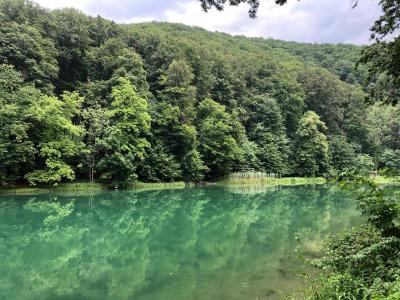
Papuk Nature Park
UNESCO Geopark with forests, waterfalls, and medieval ruins
Slavonia
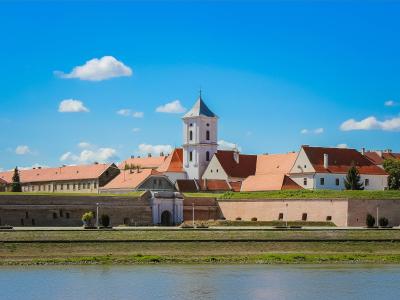
Osijek
Slavonia’s river city with baroque fortress and vibrant culture
Slavonia
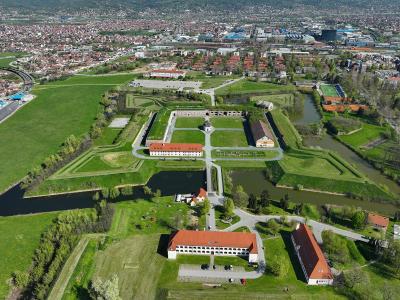
Slavonski Brod
Sava riverside city with fortress, parks, and vibrant culture
Slavonia
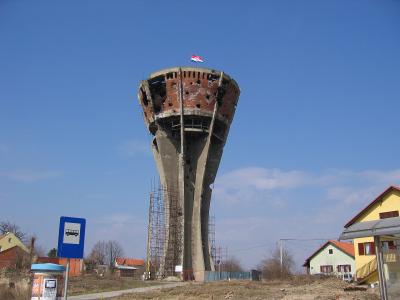
Vukovar
Hero City on the Danube with memorials and museums