







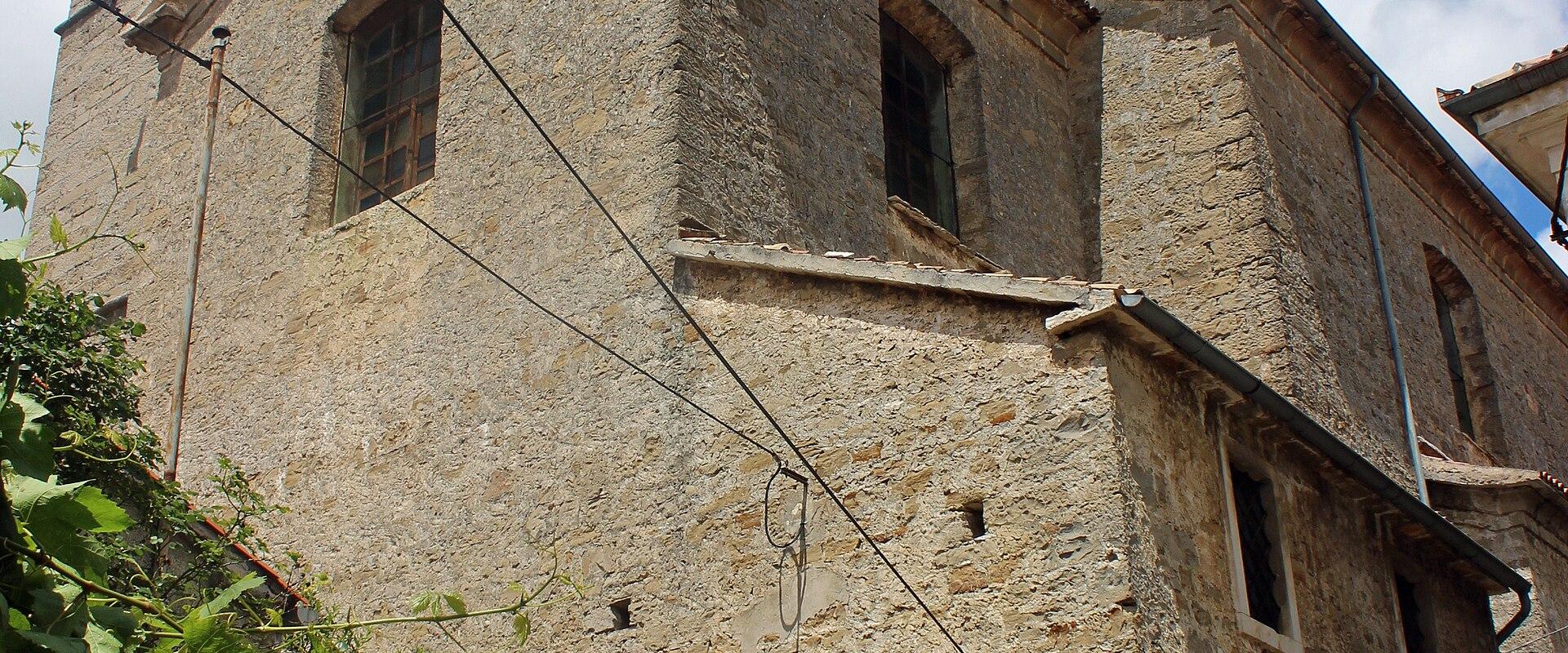
Church of St. Vitus, Modestus and Crescentia
Baroque church with historic altar and bell tower
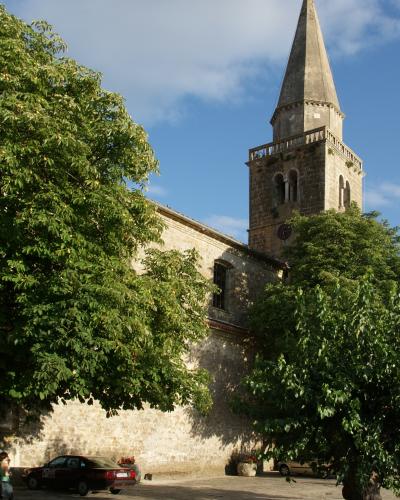
Seen from the surrounding countryside, the bell tower of the church of Saints Vitus, Modestus and Crescentia is the feature that identifies Grožnjan on its hill, and the church itself is the largest and most important religious building in the town. Another entry in this guide describes the same church under a slightly different name, and the focus here is on its role in the life of Grožnjan and on the routes that lead to and from it. The church stands in the old centre and is the natural starting point for anyone who wants to explore the sacred side of the town.
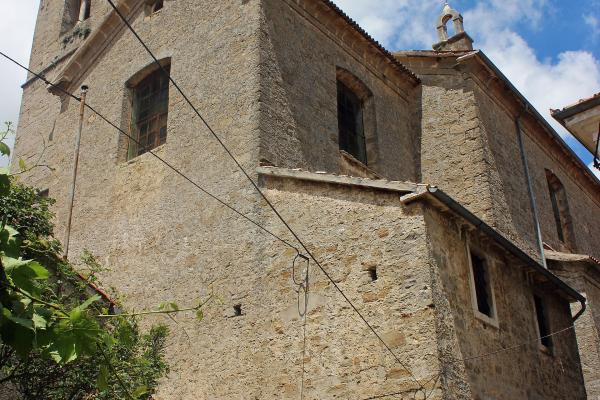
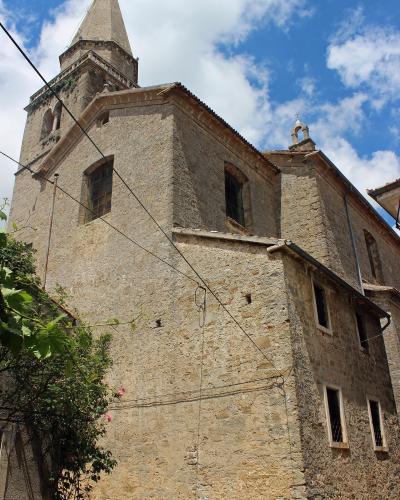
The building is Baroque, completed in the eighteenth century on the site of an earlier medieval church, and it reflects the wealth of a town that, under Venetian rule, was a local centre of administration. The three saints to whom it is dedicated were young martyrs of the early fourth century, and their cult was brought to Istria from the Christian world of late antiquity. Vitus is the best known of them, and his name is among the most common dedications in the region. Inside, the Baroque altar and the paintings, including the large altarpiece showing the martyrs, make the interior richly decorated, in contrast with the restraint of many smaller churches in the area.
A walking and cycling route called the Paths of Sacred Heritage of Grožnjan begins at the church and links the religious buildings of the town and its surroundings, among them chapels and churches in the fields and woods, using waymarked trails across the hills. Brochures and downloadable tracks are available from the local tourist office or online, and the route offers a pleasant way to see the countryside, with views over olive groves, vineyards and the valley of the Mirna. Parts of the route follow the line of the Parenzana, the old narrow-gauge railway that once linked Trieste with Poreč, which was in service in the first decades of the twentieth century and has since been turned into a cycling and walking trail, with tunnels and viaducts that can still be seen.
Grožnjan is also known as a town of artists and musicians. After the Second World War the town was largely abandoned, and from the 1960s artists moved into the empty houses and opened studios and galleries, and since the late 1960s, it has been home to an international summer music school for young musicians. Concerts take place in the squares and in some churches in summer, and the church may host performances, so check the programme.
Opening hours depend on services, so the church may be closed at other times. Dress modestly, and keep quiet inside. Allow half an hour for the church, or half a day for the route. It suits walkers, cyclists, music lovers and those interested in sacred art.
More photos coming soon
Nearby Attractions
Other places to visit in Grožnjan
Frequently Asked Questions
Quick Facts
Best Time to Visit
Early July to mid-August offers warm weather and lively festivals; spring and early autumn are quieter with mild temperatures and scenic countryside.