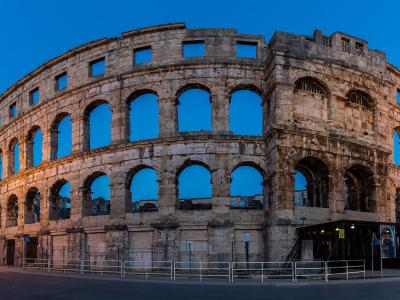
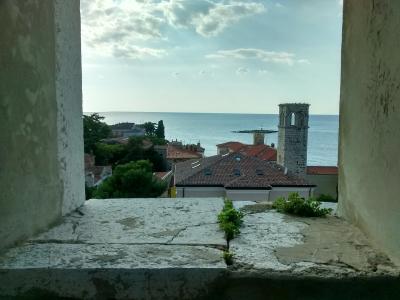
Grožnjan’s history dates back to Roman times, but its medieval character was shaped in the 13th and 14th centuries, when it became part of the Venetian Republic. The town’s strategic hilltop position made it a defensive stronghold, and remnants of its ancient walls and gates still stand today. Over the centuries Grožnjan flourished as a center of trade and agriculture, with its stone houses and narrow alleys bearing witness to its rich past. After the Second World War most of the Italian-speaking population left, and by the 1960s the town was almost empty. In the 20th century Grožnjan experienced a renaissance as artists and musicians began to settle here, transforming it into a vibrant cultural hub, and in 1965 the first artists took over the abandoned houses. Since then the town has kept a modest population of about two hundred, with many more visitors in summer.
The main attraction of Grožnjan is its enchanting old town, where every corner reveals a new gallery, studio or artisan shop. The town is home to more than 20 art galleries and hosts the annual Grožnjan Jazz Festival, as well as classical music workshops and summer art colonies. The international music centre, linked with Jeunesses Musicales, brings young musicians from many countries for summer courses, and practice sounds drift from open windows. Visitors can wander the labyrinth of cobbled streets, admire the colorful facades and discover hidden courtyards filled with sculptures and mosaics. The Catholic parish church of Sveti Vida, St. Vitus, also known as the Church of St. Vitus, Modestus and Crescentia, is a highlight, with a Baroque interior and a bell tower with sweeping views of the Istrian countryside.
Grožnjan’s town loggia, a covered stone arcade, is a gathering place for locals and visitors alike, while the town’s squares, among them Trg Palih Boraca, come alive with open-air concerts, art fairs and cultural events throughout the summer. The town walls and gates, which date from the Middle Ages, give a tangible link to the past, and a walk along them is the easiest way to see the surrounding landscape. The surrounding hills are dotted with vineyards and olive groves, and local wineries offer tastings of Istrian Malvasia and Teran wines. Traditional konobas, or taverns, serve regional specialties such as truffle pasta, wild asparagus and homemade cheeses, which give a true taste of Istria.
Nature lovers will appreciate the walking and cycling trails that wind through the Mirna valley and the Parenzana, a former railway line now converted into a scenic route for hikers and bikers. The panoramic views from Grožnjan’s ramparts stretch across the green hills to the Adriatic Sea, which makes it a favorite spot for photographers and romantics. In early autumn, the hills smell of ripe grapes and the truffle hunters begin their season.
Because it is small, Grožnjan is best seen slowly. A day might include a morning in the galleries, lunch in a konoba, an afternoon walk and an evening concert in the loggia or a church. Nearby Motovun and the coastal towns of Novigrad and Umag are within easy reach.
Getting to Grožnjan is straightforward. The town is located about 15 km from the coast and is easily accessible by car from Umag, Novigrad or Motovun. Parking is available outside the old town, as the historic center is pedestrian-only. Accommodation options include boutique hotels, guesthouses and rural villas in the surrounding countryside.
The best time to visit Grožnjan is from early July to mid-August, when the weather is warm and the town’s art and music festivals are in full swing. Spring and early autumn also offer mild temperatures, fewer crowds and beautiful scenery, suited to exploring the town and surrounding nature. Whether you are drawn by art, history or the tranquil beauty of Istria, Grožnjan offers a memorable and inspiring stay.
Best time to visit
Early July to mid-August offers warm weather and lively festivals; spring and early autumn are quieter with mild temperatures and scenic countryside.
What to see in Grožnjan
Our picks first.
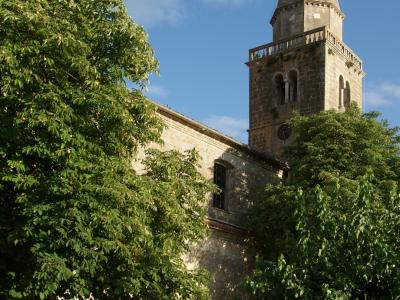
Grožnjan Main Square (Trg Palih Boraca)
Medieval square with Baroque church and art hub
Cultural Experiences · Urban Exploration
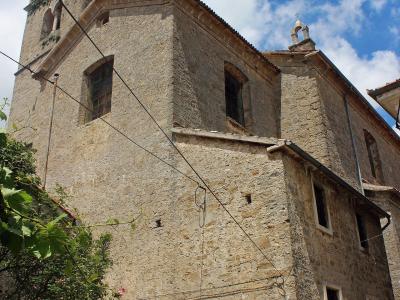
St. Vitus, Modestus and Crescentia Church
Baroque church with 18th-century altar and bell tower
Cultural Experiences · History & Heritage
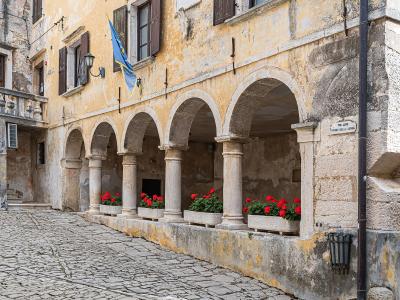
Grožnjan Loggia
Renaissance loggia with Venetian limestone columns
Cultural Experiences · History & Heritage
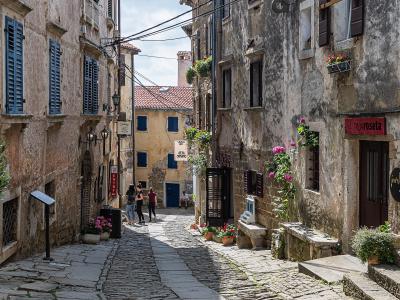
Grožnjan Art Galleries
Hilltop village with vibrant artist galleries
Cultural Experiences
Church of St. Vitus, Modestus and Crescentia
Baroque church with historic altar and bell tower
Cultural Experiences · History & Heritage
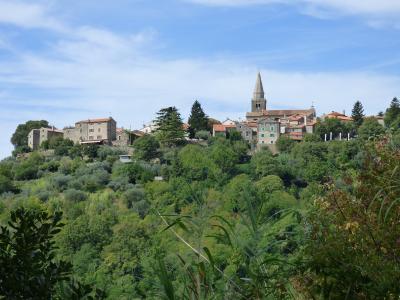
Grožnjan Historic Village
Medieval hilltop village famed for art and culture
Cultural Experiences · History & Heritage
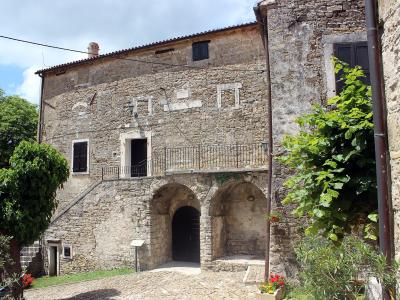
Grožnjan Town Walls and Gates
Venetian medieval walls guarding Grožnjan hilltown
History & Heritage · Urban Exploration
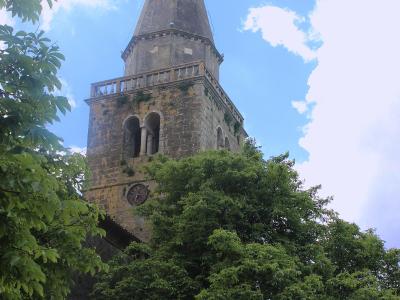
Saint Vitus Church, Grožnjan
14th-century church with yellow sandstone tower
Cultural Experiences
Grožnjan by interest
The same sights, grouped by what you came for.
- Cultural Experiences
- Grožnjan Main Square (Trg Palih Boraca) St. Vitus, Modestus and Crescentia Church Grožnjan Loggia Grožnjan Art Galleries Church of St. Vitus, Modestus and Crescentia Grožnjan Historic Village Saint Vitus Church, Grožnjan
- Urban Exploration
- Grožnjan Main Square (Trg Palih Boraca) Grožnjan Loggia Grožnjan Historic Village Grožnjan Town Walls and Gates
- History & Heritage
- St. Vitus, Modestus and Crescentia Church Grožnjan Loggia Church of St. Vitus, Modestus and Crescentia Grožnjan Historic Village Grožnjan Town Walls and Gates
Did you know?
Checked facts about Grožnjan, each with its source.
-
Notable Person
Declared a Town of Artists in 1965
After the Second World War many of Grožnjan's stone houses stood empty. In 1965 it became a 'town of artists', as painters and musicians from across Yugoslavia moved in, and in 1969 Jeunesses Musicales Croatia founded its international cultural centre here.
Source: Colours of Istria
Planning a visit to Grožnjan
Itineraries that include Grožnjan
Good to know
- Currency
- EUR
- Language
- Croatian