







Grožnjan Main Square (Trg Palih Boraca)
Medieval square with Baroque church and art hub
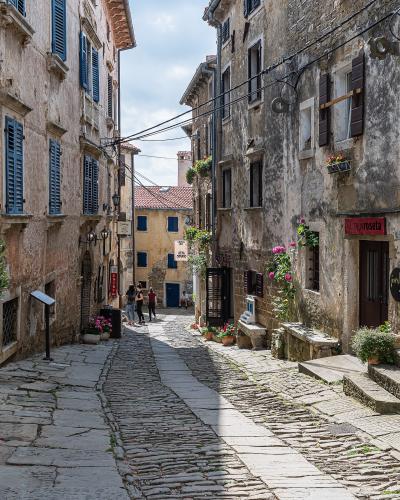
Grožnjan Main Square, officially Trg Palih Boraca, sits at the top of a hill in northwestern Istria, close to the old town gate, with the Mirna Valley dropping away below. The town, known in Italian as Grisignana, is one of the best-known hilltop settlements in Istria and one of Croatia’s most popular small art towns, and this square is its natural centre: a small, open, stone-paved space where the lanes of the old town come together.
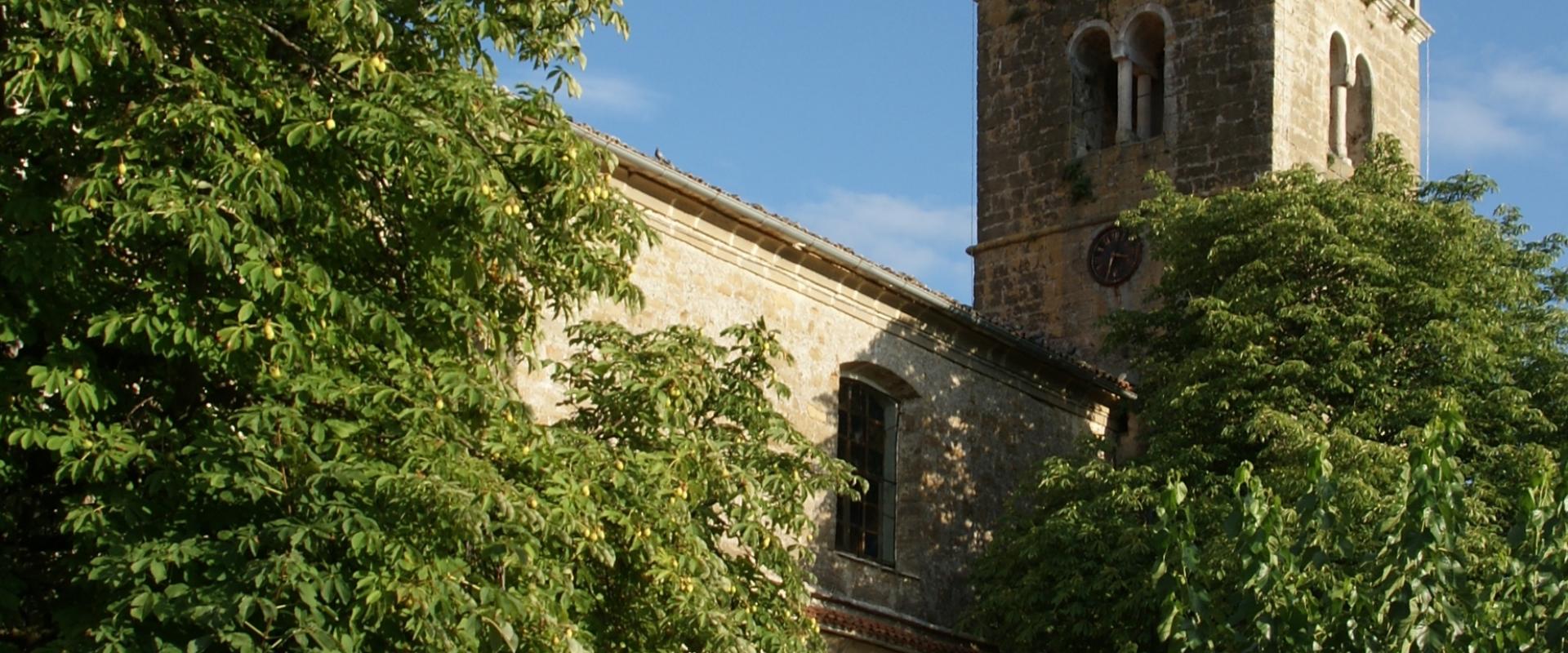
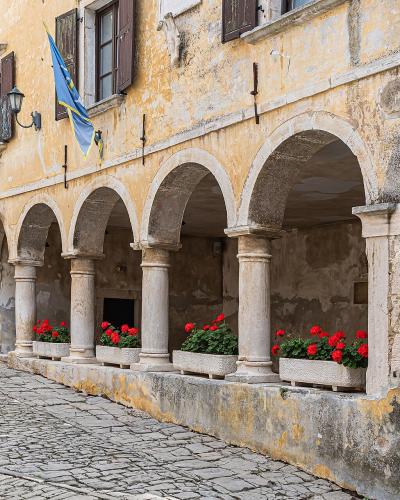
The town spent several centuries under Venetian rule, from the 14th century until the fall of the Republic at the end of the 18th, and much of the architecture around the square dates from that time or reflects it. The most obvious landmark is the Church of St. Vitus, Modestus and Crescentia, the Baroque parish church that dominates one side of the street, and a Venetian-style loggia marks the public life of earlier centuries, when town business was conducted in the open. Stone houses with arched doorways, wrought-iron balconies and small stone staircases complete the picture.
The reason Grožnjan is known beyond the region is its modern history. After the Second World War the town lost most of its population and many houses stood empty and decaying. Beginning in the 1960s, artists and musicians took over abandoned buildings and turned them into studios and galleries, and the town became known as an artists’ settlement. It has also hosted an international music centre associated with young musicians, and summer concerts and workshops fill the squares and courtyards with sound. Walk the streets around the square and you will find small galleries, craft studios, and doors left open so visitors can see work in progress.
From the edge of the square and the terraces near it, there are wide views over the Mirna Valley toward Motovun on its own hill, and on clear days a glimpse of the Adriatic Sea. This makes the square a good spot for sunset, when the stone takes on warm tones. Cafés around it offer a place to pause, and the traffic-free centre makes the whole visit calm.
Because Grožnjan is small, it is easy to see in a couple of hours, but many visitors prefer to stay for the evening. It suits art lovers, music fans, photographers and anyone who enjoys wandering through a well-kept medieval town without a set programme. Park outside the old centre and walk up, since cars are kept out of the narrow streets.
Categories
More photos coming soon
Nearby Attractions
Other places to visit in Grožnjan
Frequently Asked Questions
Quick Facts
Best Time to Visit
Early July to mid-August offers warm weather and lively festivals; spring and early autumn are quieter with mild temperatures and scenic countryside.