







- Admission
- Adults 15 EUR
- Concessions 8 EUR
- Hours
- Tue-Thu 10:00-18:00; Fri-Sat 11:00-19:00; Sun 10:00-14:00; Closed Mon, holidays, Aug 5, Au...
- Where
- Zagreb, Central Croatia
- Directions
- Directions
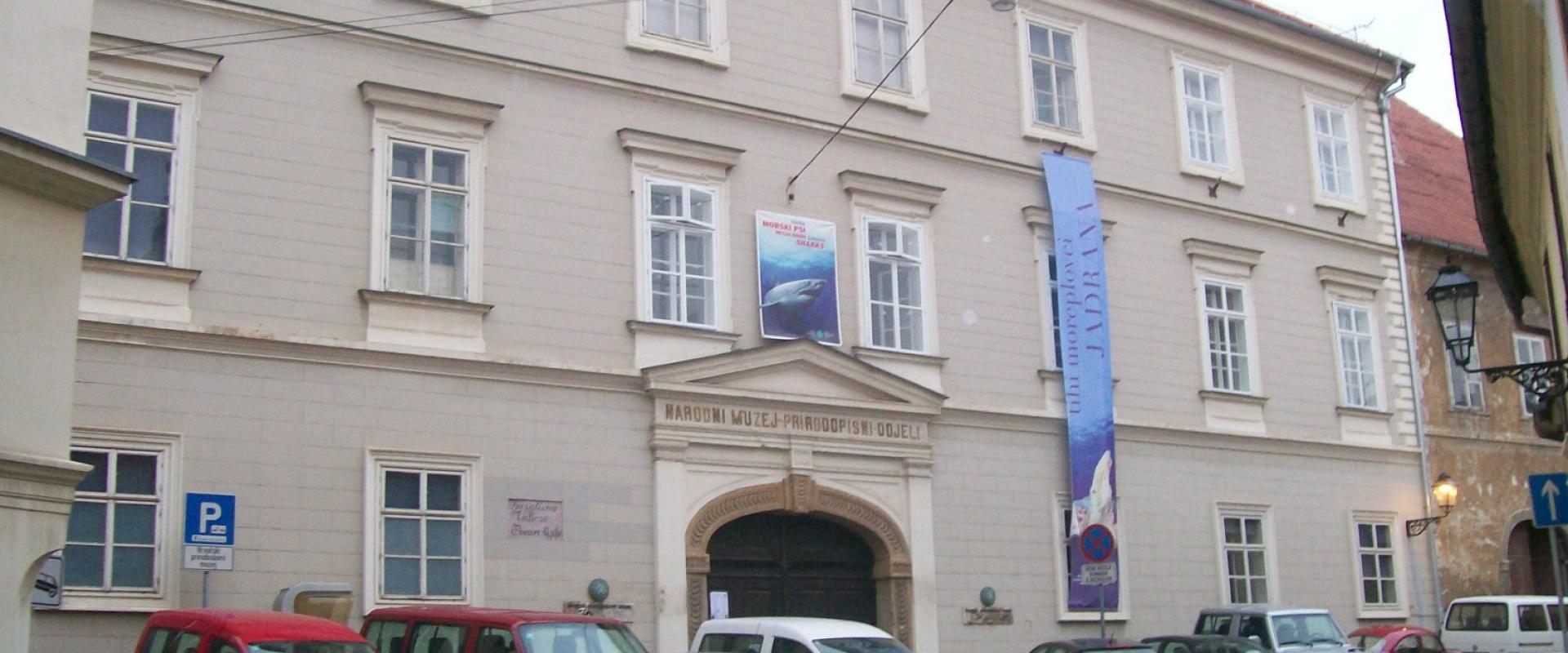
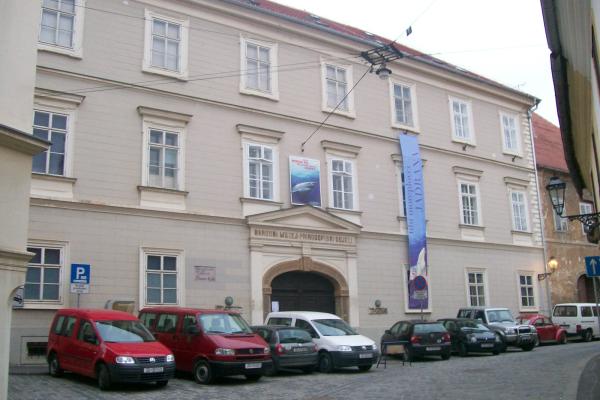
The Croatian Natural History Museum is housed in the Amadeo Palace, in the Upper Town of Zagreb, close to the Stone Gate and the Museum of Broken Relationships. It is Croatia’s main museum of the natural sciences, and its collections, which number more than two million specimens, cover minerals, rocks, fossils, plants and animals. The building itself is part of the story, since it has a distinguished place in the cultural history of the city.
The Amadeo Palace, on Demetrova Street, was built in the late eighteenth century, and in 1797 it became the home of the first public theatre in Croatia, founded by Count Amadeo Erdődy, which operated there until 1834. Theatre performances in the Croatian language and in other languages, in the early days of the national revival, took place within these walls, so the building was a cradle of Croatian drama before it became a museum. After a comprehensive renovation that lasted three years, the museum reopened in the building with a new permanent exhibition, shown alongside the AMADEO exhibition about the building, and a modernised interior that blends scientific content with the historical architecture.
The museum is organised into five professional departments: the Botanical Department, the Geological-Paleontological Department, the Mineralogical-Petrographic Department, the Zoological Department and the Conservation Department, which cares for the collections. Its holdings are of international importance. One of the great treasures is the collection of Krapina Neanderthal remains, discovered at the end of the nineteenth century by the Croatian scientist Dragutin Gorjanović-Kramberger, which is among the richest finds of its kind in Europe, and the collections of fossils, minerals and insects reflect centuries of scientific work.
The renovated permanent exhibition uses interactive and multimedia displays to explore mineralogy, geology, paleontology, paleoanthropology, zoology and botany, making the diversity of the living and non-living world accessible to all generations. Visitors can follow the story of the earth, from the formation of rocks and minerals through the age of fossils to the evolution of humans and the variety of life today, with specimens, models, touchscreens and films. The layout encourages exploration, and professional interpretation and educational programmes, including summer workshops for children, make the museum a good place for families and school groups.
For planning purposes, admission is charged, with reductions for concessions, and the museum is generally open Tuesday to Sunday, with longer hours on some days and closure on Mondays, public holidays and a few specific dates in August, so check the current schedule on the museum’s website. Special events, such as exhibitions, may offer free entry on selected dates, and groups can arrange visits by email. The museum is a few steps from the other attractions of the Upper Town, and it suits anyone curious about nature, from children to adults.
Categories
More photos coming soon
Hours & Fees
- Open
- Tue-Thu 10:00-18:00; Fri-Sat 11:00-19:00; Sun 10:00-14:00; Closed Mon, holidays, Aug 5, Aug 15
- Admission
- Adults 15 EUR; concessions 8 EUR
Hours and prices change, especially out of season. Check with the venue before you go.
Nearby Attractions
Other places to visit in Zagreb
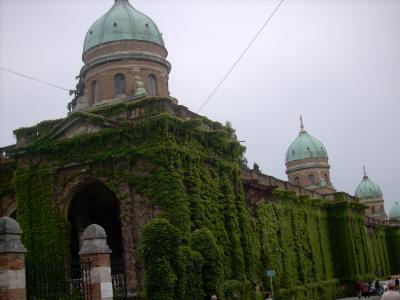
Mirogoj Cemetery
Architectural masterpiece and multi-faith resting place
History & Heritage · Urban Exploration

Zagreb Cathedral
Gothic cathedral with twin spires and historic relics
Cultural Experiences · History & Heritage
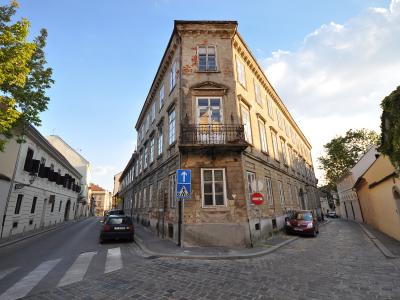
Upper Town (Gornji Grad)
Historic Zagreb district with medieval landmarks
Cultural Experiences · Urban Exploration
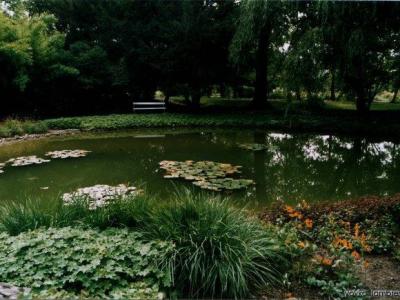
Zagreb Botanical Garden
Urban oasis with diverse rare plant species
Cultural Experiences · Natural Wonders
Questions people ask
Quick Facts
Best Time to Visit
Late May to mid-September offers warm weather, blooming parks, and lively festivals; spring and early autumn are ideal for sightseeing and outdoor café culture.