







Danube Forests At Zlatna Greda
UNESCO Biosphere Reserve eco-center with adrenaline park
Zlatna Greda is a small, planned settlement in the Baranja region of eastern Croatia, set in the Danube forests close to the Serbian border, near the Kopački Rit wetlands. It is part of the Mura-Drava-Danube Biosphere Reserve, which was recognised by UNESCO as a transboundary reserve that crosses several countries, and today it is an eco-tourism centre that combines nature, heritage and adventure.
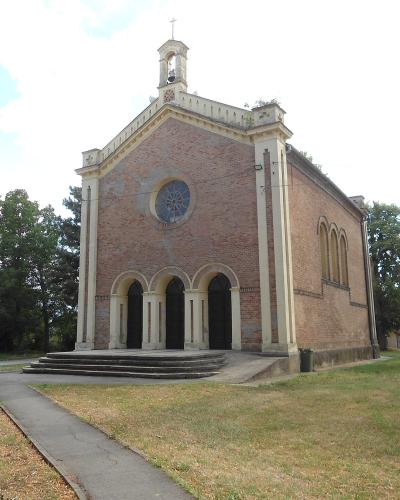
Today it is a quiet place, but the settlement has an interesting history. It was founded in the late nineteenth and early twentieth centuries as an agricultural and forestry estate, laid out on a regular plan, with straight streets in an orthogonal grid, and it was linked to the surrounding area by a narrow-gauge railway that carried timber and produce from the forests and fields. The plan is unusual in this part of Croatia, where most villages grew organically, and it reflects the ideas of the estate’s designers about efficient organisation. The layout and the historic buildings were designated a protected cultural good in 2011, in recognition of their architectural and spatial importance. A walk along the straight streets gives a sense of the logic of a company settlement of that era.
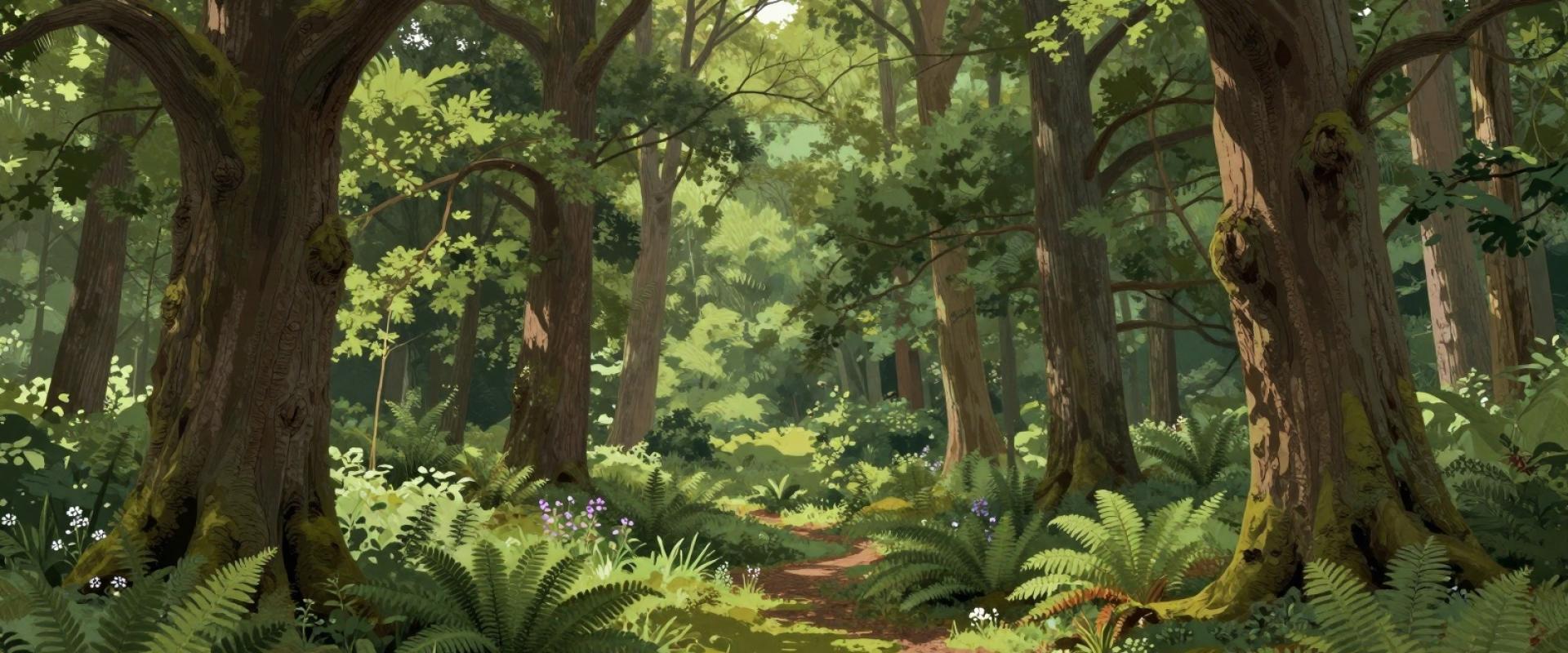
The surroundings are the great attraction. The Danube Forests are a fragment of the riverside woodland that once covered the whole valley, with oaks, willows and poplars growing in damp ground, and they provide habitat for a wide range of animals and plants typical of the Pannonian region. In spring the floods spread through the woods, in summer the canopy is dense and green, and in autumn it turns gold. Birds are abundant, including herons, kingfishers, woodpeckers and, in the right season, white-tailed eagles. Quiet paths and forest tracks invite walks and cycling, and the sounds of the forest give a sense of calm.
The settlement’s focal point is the House in Nature, Kuća u prirodi Zlatna Greda, an educational centre devoted to sustainability and learning in nature. It runs school-in-nature programmes, workshops and activities that teach children and adults about local ecosystems, and it promotes sustainable food and living, using solar power and resource-efficient systems. Alongside it is Croatia’s first adrenaline park, a course of zip-lines and climbing obstacles among the trees that adds an element of fun, and which is popular with school groups, families and teams on training days. The centre receives about six thousand visitors a year, many of them for teambuilding, cultural preservation and recreation.
Opening hours and prices are not uniformly detailed, so contact the centre in advance. Baranja has many other attractions, including Kopački Rit, the village of Karanac, the vineyards and the sandy beach at Draž, so Zlatna Greda can be combined with a wider tour. It suits families, schools, nature lovers and anyone curious about eco-tourism.
Categories
More photos coming soon
Nearby Attractions
Other places to visit in Baranja

Frequently Asked Questions
Quick Facts
Best Time to Visit
April to October offers mild weather ideal for outdoor activities and exploring the region's rich cultural heritage.