







- Where
- Pag Island, Dalmatia
- Directions
- Directions
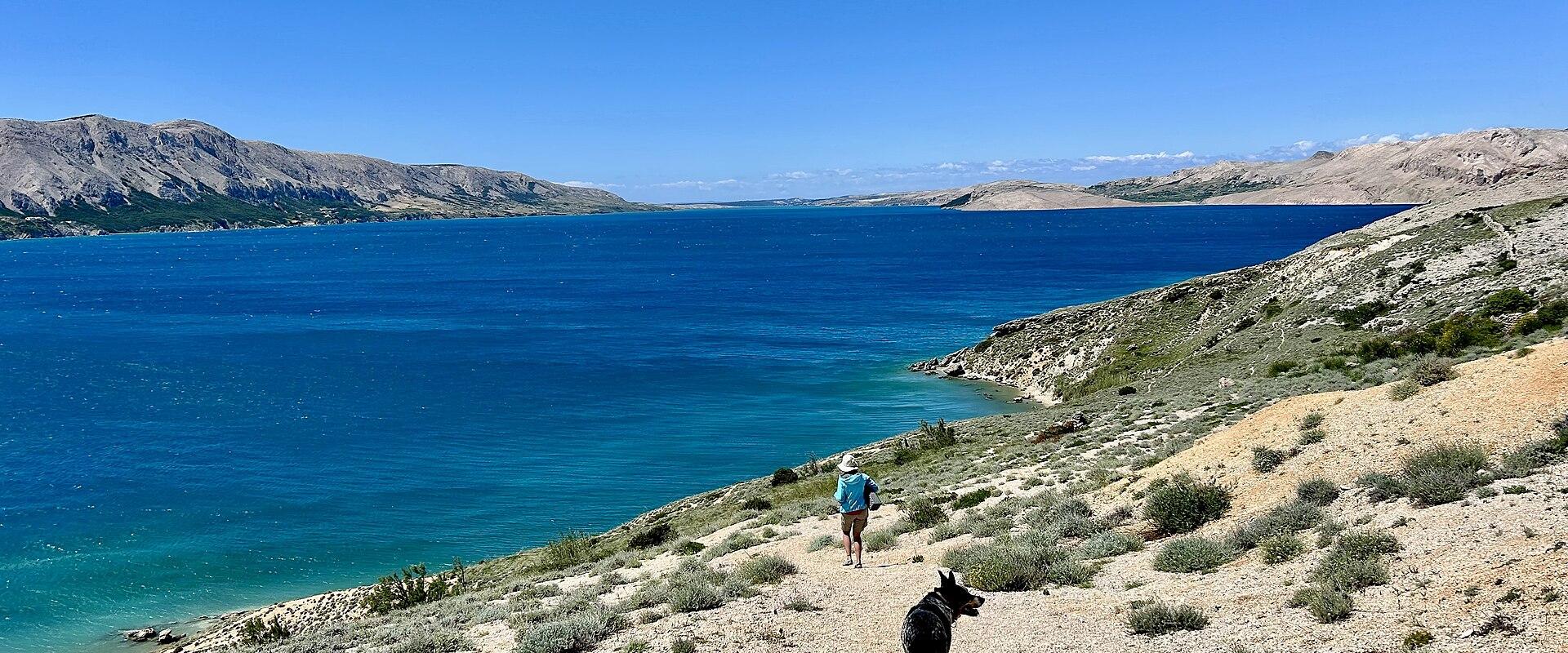
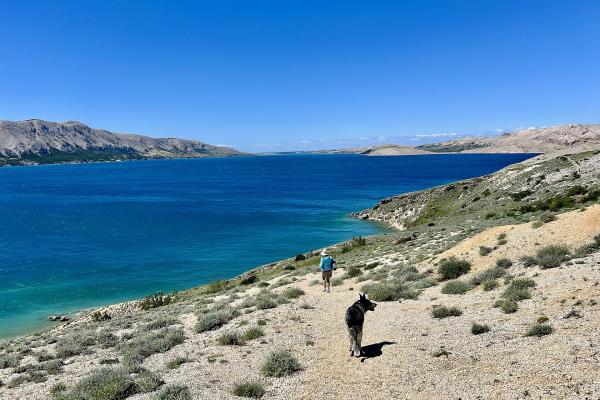
Dinjiška is a small village at the southern end of Pag Island, in Zadar County in northern Dalmatia, close to the place where the long, narrow island is linked to the mainland by a bridge on the D106 road. Administratively it belongs to the town of Pag, and it sits on a shallow bay with a rugged, treeless landscape typical of Pag: pale limestone, low scrub, dry-stone walls and a great deal of sky. It is one of the quietest settlements on the island, and Dinjiska Bay is the sheltered stretch of water beside it, where the Adriatic Sea runs in among rocky points and a few small beaches.
The village is tiny, with only a hundred or so residents, and its interest lies in a few details. The main building is the Church of St. Maura, an old church that was thoroughly rebuilt in the 16th century. Like many churches on Pag, it is a simple stone building, shaped by the needs of a small farming and fishing community, and it serves as the centre of village life. Another point of interest is the old saltworks, which date from the time of French rule in the early 19th century, when Napoleon's administration controlled Dalmatia and reorganised its economy, including the production of salt. Salt has been made on Pag for centuries, and the pans near Dinjiška are part of that tradition, a reminder of how closely the island's life is bound to the sea.
The surroundings are the main attraction. The bay is shallow and calm in places, with warm, clear water, and the shore consists of pebbles and rock, with a few places for easy swimming. The landscape of Pag is unlike anything else on the Croatian coast: a bare, wind-scoured limestone island where sheep graze among the stones, and the cheese, lamb and salt produced here carry the taste of the herbs and salt spray. The bura wind can blow hard across the island, so conditions at the bay change quickly, and it is wise to check the forecast. There is little shade, so take a hat and water.
Visitors usually combine Dinjiska Bay with a trip along the island. The town of Pag has the Ducal Palace (Kneževa Palača), the Pag Lace Gallery and the Pag Saltworks, and the Olive Gardens of Lun in the north are known for their ancient trees. The lagoons of Malo Blato and Velo Blato, Simuni Beach and the ruins of a small fortress add variety. The bay is reached by road, and a car is the best way to explore.
It suits quiet travellers, cyclists and people who like unusual landscapes.
More photos coming soon
Nearby Attractions
Other places to visit in Pag Island

Ducal Palace (Kneževa Palača)
Historic palace showcasing Pag’s intricate lacecraft
Cultural Experiences · History & Heritage
Malo Blato
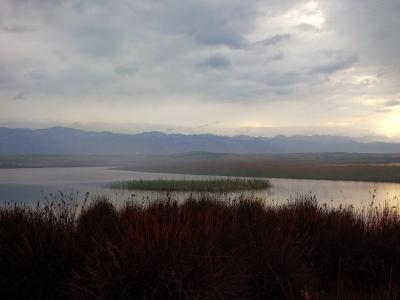
Freshwater wetland amid Pag Island’s lunar landscape
Activities & Adventure · Natural Wonders
Pag Lace Gallery
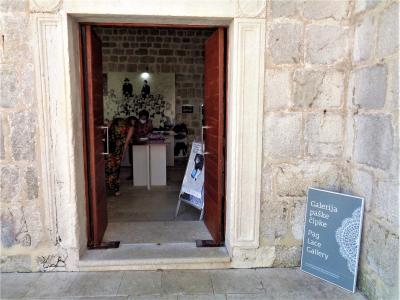
UNESCO-listed Pag lace tradition in historic palace
Cultural Experiences · Traditional Crafts
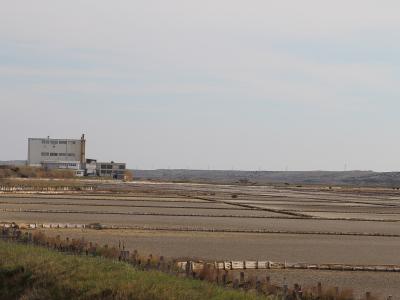
Pag Saltworks
Ancient salt pans shaping Pag Island’s heritage
Cultural Experiences
Questions people ask
Quick Facts
Best Time to Visit
June to August offers hot weather, warm sea, and lively nightlife; May, June, and September are quieter with pleasant temperatures for beaches and outdoor activities.