







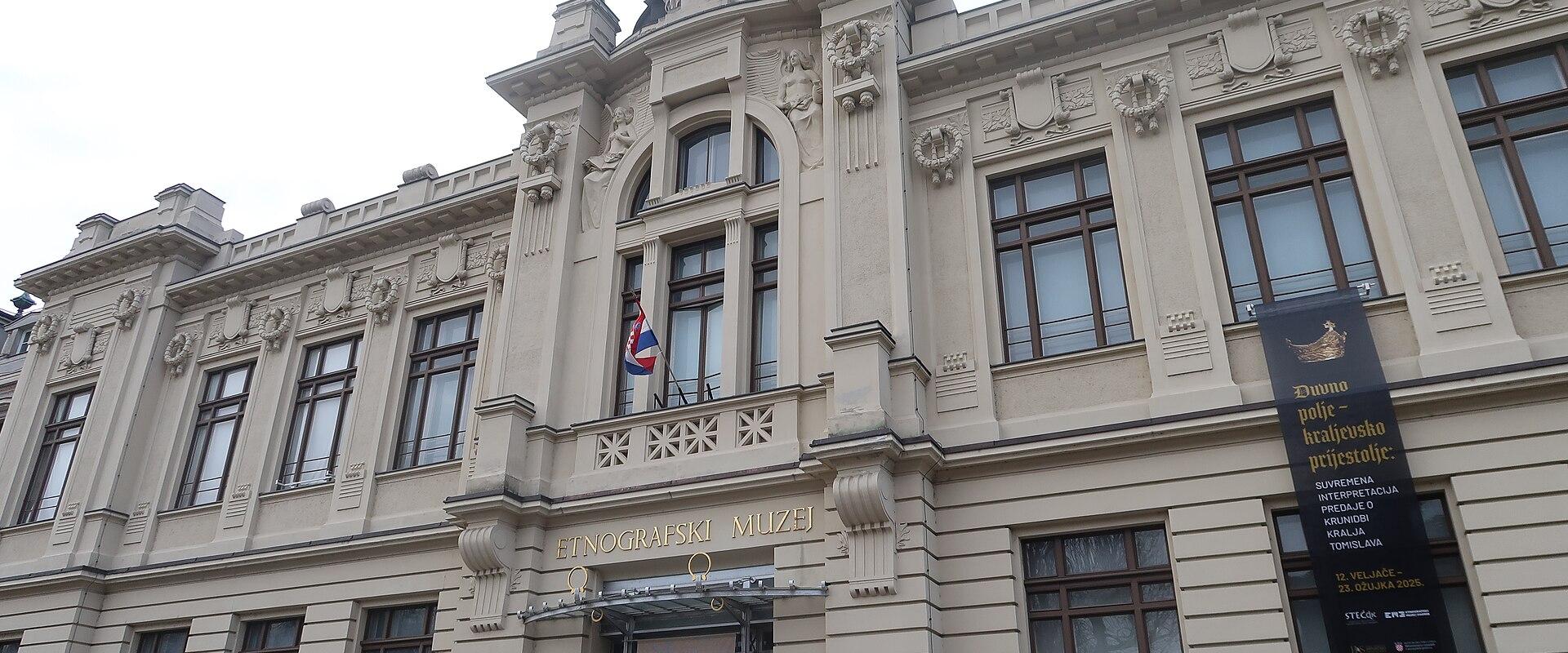
Ethnographic Museum Zagreb
Croatian folk heritage in a stately early twentieth-century building
- Hours
- 10:00 AM to 6:00 PM
- Where
- Zagreb, Central Croatia
- Directions
- Directions
The Ethnographic Museum in Zagreb is one of the oldest museums of its kind in Croatia, and it holds the largest collection of folk costumes, textiles, tools and everyday objects in the country. It is housed in a stately building from the early twentieth century, on Mažuranić Square, a leafy square in the lower town, close to the main railway station and the Art Pavilion, and it is within easy walking distance of most of the city centre. For visitors who want to understand the people behind the history, it is a rewarding stop.
The museum was founded in 1919, and its original collection came from the private holdings of a Zagreb merchant, Salamon Berger, who had gathered objects on his travels in Africa, Asia and the Americas and who gave them to the city. Over time, the focus shifted to Croatian traditional culture, and the museum now has tens of thousands of items covering all regions of the country, from the Pannonian plain and Zagorje to the Dalmatian coast and the islands. It also keeps a significant collection of non-European objects, which reflect its origins and show a wider view of human cultures.
The permanent display presents traditional life in the regions of Croatia through costumes, jewellery, embroidery, lace, weaving, pottery, musical instruments, tools and household furnishings. The costumes are the highlight, with rich variety from region to region: the red-and-white embroidered linen of the north, the heavy woollen garments of the mountains, the ornamented waistcoats and caps of Slavonia, the elaborate lace and silver jewellery of the Adriatic. The way in which clothing marks age, status and place of origin becomes clear as you move through the rooms. Displays on crafts and agriculture show how people made and used what they needed, and on festivals and rituals, how they marked the year. Temporary exhibitions complement the permanent collection, and the museum often hosts workshops and events for children and families.
A visit usually lasts one to two hours. Opening hours differ by day, with the museum closed on certain days, so check before you go, and ask about ticket prices, which are generally modest. The staff can offer information in English, and some labels have translations.
The museum is close to other cultural venues listed in this guide, including the Art Pavilion, the Glyptotheque and the Archaeological Museum, and it lies on the way between the station and Ban Jelačić Square, so it fits easily into a walking route. The surrounding area is full of cafes and parks. The museum suits families, students, lovers of textiles and crafts and anyone who wants to look beyond the monuments at the culture of ordinary people.
Categories
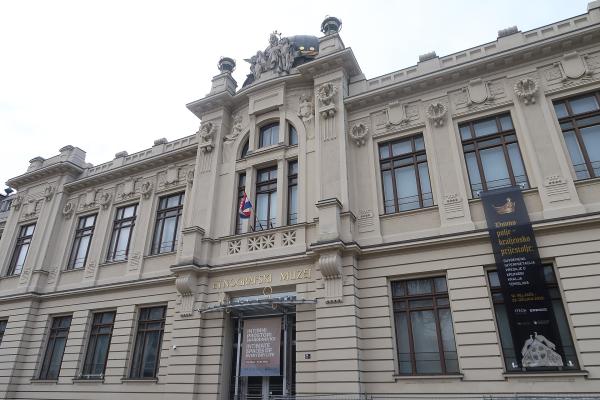
More photos coming soon
Opening Hours
- Open
- 10:00 AM to 6:00 PM
Hours and prices change, especially out of season. Check with the venue before you go.
Nearby Attractions
Other places to visit in Zagreb
Mirogoj Cemetery
Architectural masterpiece and multi-faith resting place
History & Heritage · Urban Exploration

Zagreb Cathedral
Gothic cathedral with twin spires and historic relics
Cultural Experiences · History & Heritage
Upper Town (Gornji Grad)
Historic Zagreb district with medieval landmarks
Cultural Experiences · Urban Exploration
Zagreb Botanical Garden
Urban oasis with diverse rare plant species
Cultural Experiences · Natural Wonders
Questions people ask
Quick Facts
Best Time to Visit
Late May to mid-September offers warm weather, blooming parks, and lively festivals; spring and early autumn are ideal for sightseeing and outdoor café culture.