







Exploring Natural Landscapes Of Baranja
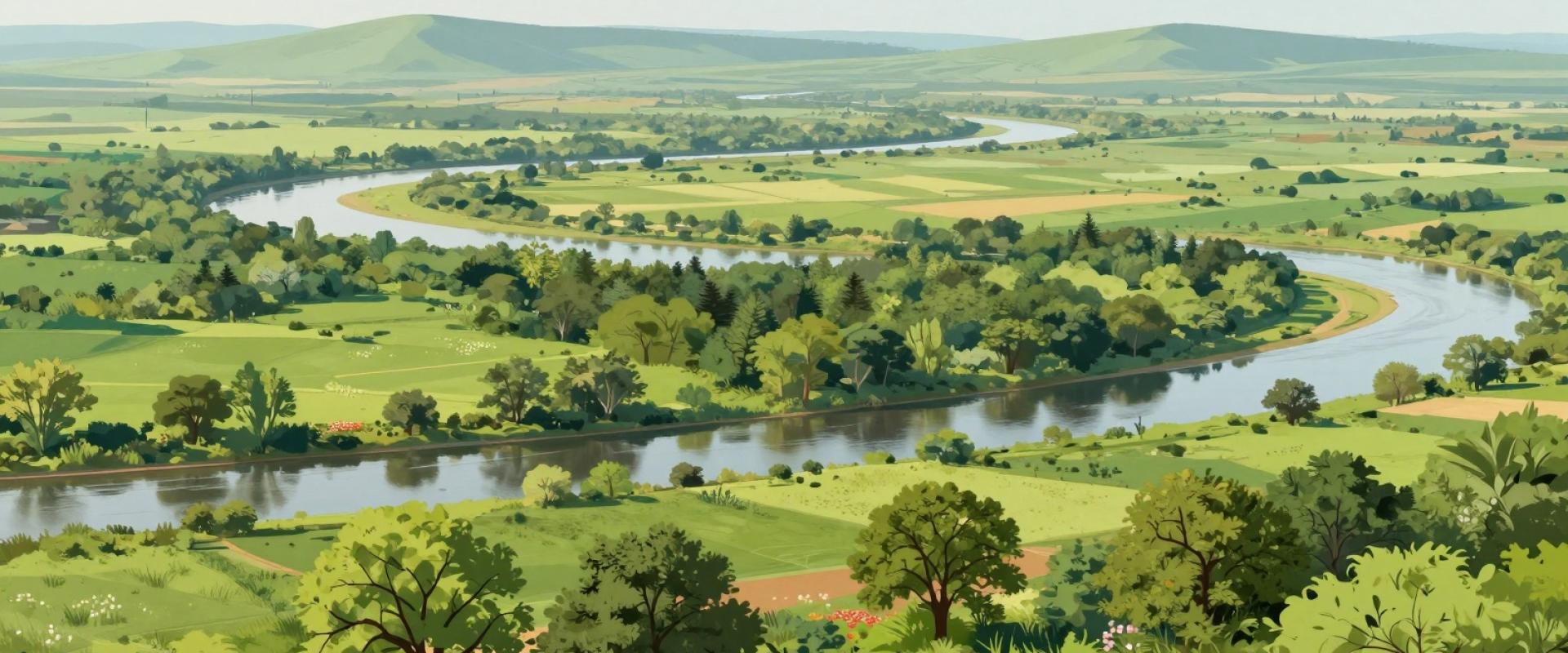
Kopački Rit floodplain between Drava and Danube
Baranja is the triangle of land in the far northeast of Croatia between the Danube and the Drava rivers, and its natural landscapes are among the most distinctive in the country. Instead of the mountains and sea that most visitors associate with Croatia, it offers wide floodplains, marshes, oak forests and low vine-covered hills, and it has been recognised as the Best Rural Destination in Croatia several times, thanks to its combination of nature, food and tradition.
The name of the region helps explain its character. It is often linked to a Slavic word for marsh, and that fits the landscape, which is flat and wet, shaped by the rivers that meet here and by their seasonal floods. The centrepiece is Kopački Rit Nature Park, a vast floodplain between the two rivers that is among the largest and best preserved in Central Europe. When the Danube rises in spring, water spreads across the plain and covers lakes, meadows and forests, creating an ever-changing wetland teeming with life. Boardwalks, observation towers, trails and boat trips allow visitors to explore the park, where they can see herons, storks, cormorants, eagles and wild boar, among many other creatures, and the park is one of the great birdwatching destinations of Europe. The marshy environment is in stark contrast to Croatia’s coastal landscapes, and it offers a very different kind of beauty, soft, watery and secretive.
Beyond the wetlands, the Baranja Mountain, a low range of hills rising from the plain, adds variety. Its slopes are covered with forest and vineyards, with natural ravines, known locally as dolinas or loess gorges, cut deep into the soft ground, and trails for hiking and cycling wind through them. Other sights include the Danube forests at Zlatna Greda, the sandy beach at Draž, jokingly called the Baranja Maldives, and the Kneževo estate. Wine is a major theme: the region’s vineyards, such as those around Zmajevac and Kneževi Vinogradi, produce excellent white wines, and the old wine routes, with their small cellars called gatori, invite tasting in a friendly, informal atmosphere.
The region’s isolation has helped to preserve its traditional rural life. Travellers can visit the village of Karanac, with its street of old houses and craft workshops, and other households that welcome visitors with food, music and folk customs. An Ethnology Center in the region explains traditions such as embroidery, farming and cooking, and the local cuisine, with hearty stews, sausages, grilled river fish and sweet desserts, is a pleasure in itself. The atmosphere is quiet and reflective, with a strong emphasis on preserving the character of the place.
Opening hours and admission arrangements for individual sites vary, though the landscapes themselves are accessible. The best seasons are spring, for the floods and birds, and autumn, for the vineyards and colours. The region suits nature lovers, cyclists, food and wine enthusiasts and anyone seeking an off-the-beaten-path experience, and it is a good place for a leisurely, multi-day visit.
Categories
More photos coming soon
Nearby Attractions
Other places to visit in Baranja

Frequently Asked Questions
Quick Facts
Best Time to Visit
April to October offers mild weather ideal for outdoor activities and exploring the region's rich cultural heritage.