







- Admission
- Adults €9
- Pupils, students, seniors, disabled €7
- Hours
- Daily 9:00 a.m.–10:00 p.m. (summer); Daily 9:00 a.m.–9:00 p.m. (winter)
- Where
- Zagreb, Central Croatia
- Directions
- Directions
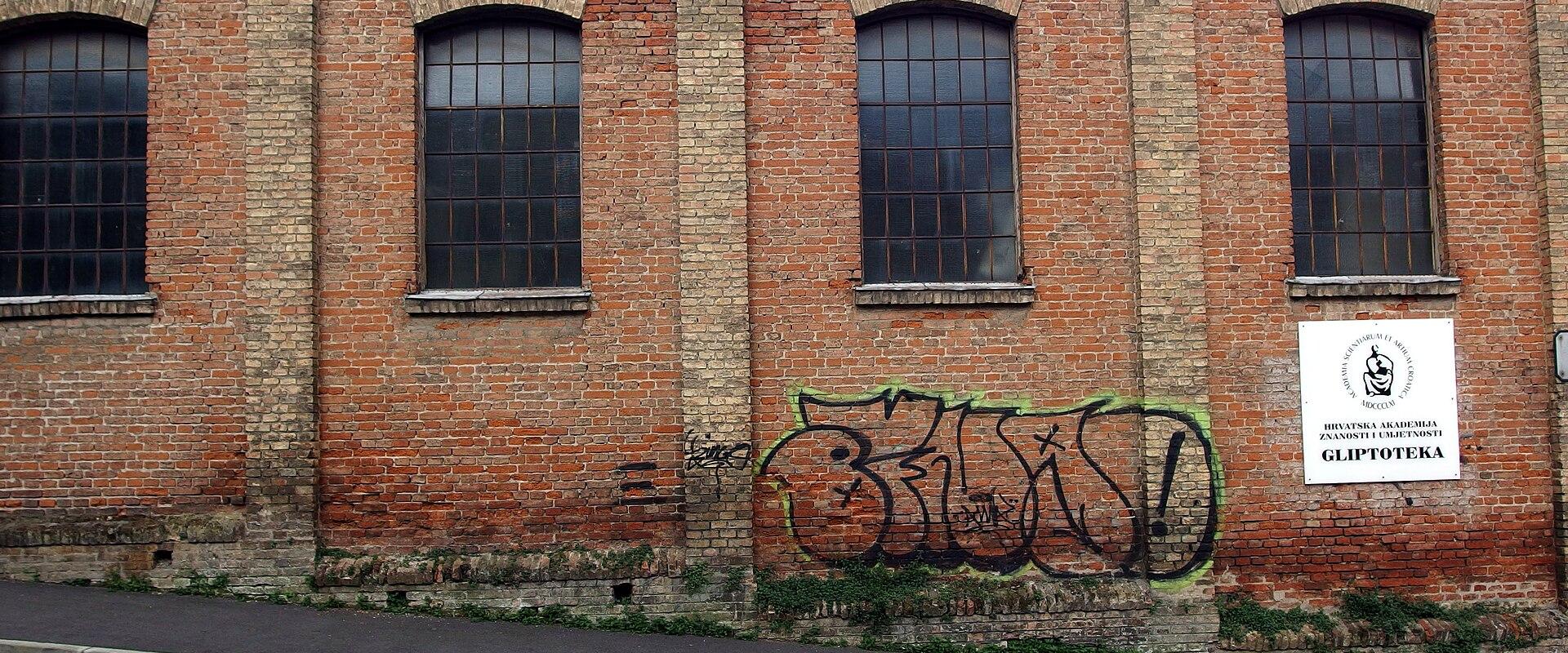
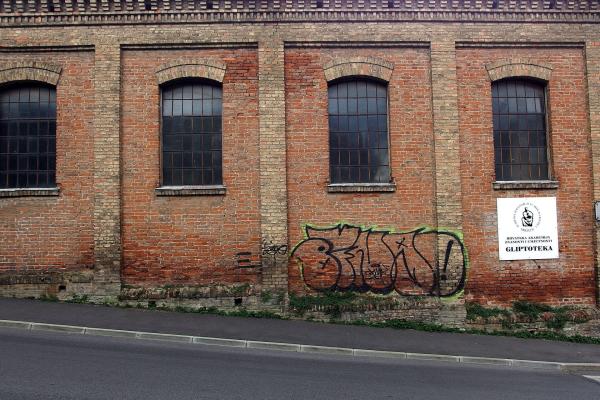
The Glyptotheque is the plaster-cast collection of the Croatian Academy of Sciences and Arts in Zagreb, known in Croatian as Gliptoteka, and it is a small, quiet museum for lovers of sculpture. A glyptotheque is a collection of sculpture, and in this case, the term refers to a gallery of plaster casts and models that preserve the work of sculptors and, in some cases, copies of important monuments. It is not one of the large crowd-pleasing museums of the capital, and for that reason it appeals to visitors who prefer to have a gallery to themselves. It belongs to the Academy and has its own premises, separate from the natural history museum.
Plaster casts have a long and respectable history in the art world. Before photography and easy travel, casts allowed students and the public to study sculpture from distant places, and sculptors themselves worked in plaster before casting their works in bronze or carving them in marble, so the plaster model is often the closest surviving record of the artist's own hand. A glyptotheque shows how a sculpture takes shape, and its white figures have a particular beauty, quite different from the colour of polished bronze or marble.
The collection in Zagreb brings together plaster casts and models of works by Croatian sculptors, together with casts of historical monuments, and it presents the development of sculpture in the country from the Middle Ages to modern times. It is a valuable resource for anyone interested in the history of Croatian art, since many of the original works are located in cities and churches across the country and can be seen only in part, while here they are gathered in one place. The institution has been renovated in recent years, and the redevelopment of the space gave it improved galleries and facilities, and a reopening that attracted a good number of visitors, which shows the interest that the public has in this field.
Because the museum is small and specialised, a visit takes about an hour or less. Opening hours are limited and vary by day, so check the current schedule before you go, and ask whether admission is charged. The staff are normally helpful, and the quiet atmosphere is conducive to looking closely.
The Glyptotheque fits easily into a day of cultural sightseeing in Zagreb, and other museums listed in this guide, such as the Archaeological Museum, the Art Pavilion, the Ethnographic Museum and the Natural History Museum, are in the same part of the city. It suits students of art, sculptors and anyone who likes quiet museums.
Categories
More photos coming soon
Hours & Fees
- Open
- Daily 9:00 a.m.–10:00 p.m. (summer); Daily 9:00 a.m.–9:00 p.m. (winter)
- Admission
- Adults €9; pupils, students, seniors, disabled €7
Hours and prices change, especially out of season. Check with the venue before you go.
Nearby Attractions
Other places to visit in Zagreb
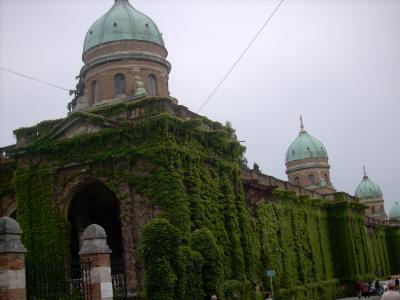
Mirogoj Cemetery
Architectural masterpiece and multi-faith resting place
History & Heritage · Urban Exploration

Zagreb Cathedral
Gothic cathedral with twin spires and historic relics
Cultural Experiences · History & Heritage
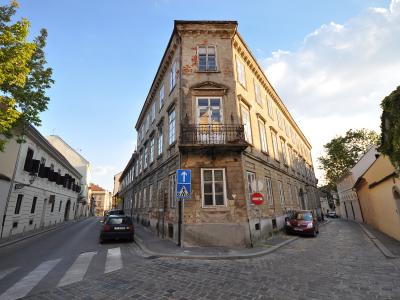
Upper Town (Gornji Grad)
Historic Zagreb district with medieval landmarks
Cultural Experiences · Urban Exploration
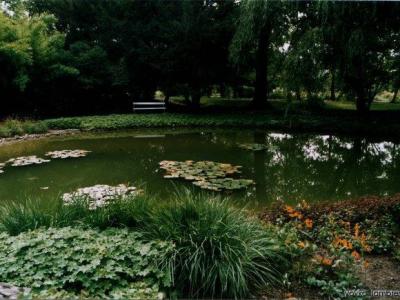
Zagreb Botanical Garden
Urban oasis with diverse rare plant species
Cultural Experiences · Natural Wonders
Questions people ask
Quick Facts
Adults €9
Pupils, students, seniors, disabled €7.
Best Time to Visit
Late May to mid-September offers warm weather, blooming parks, and lively festivals; spring and early autumn are ideal for sightseeing and outdoor café culture.