







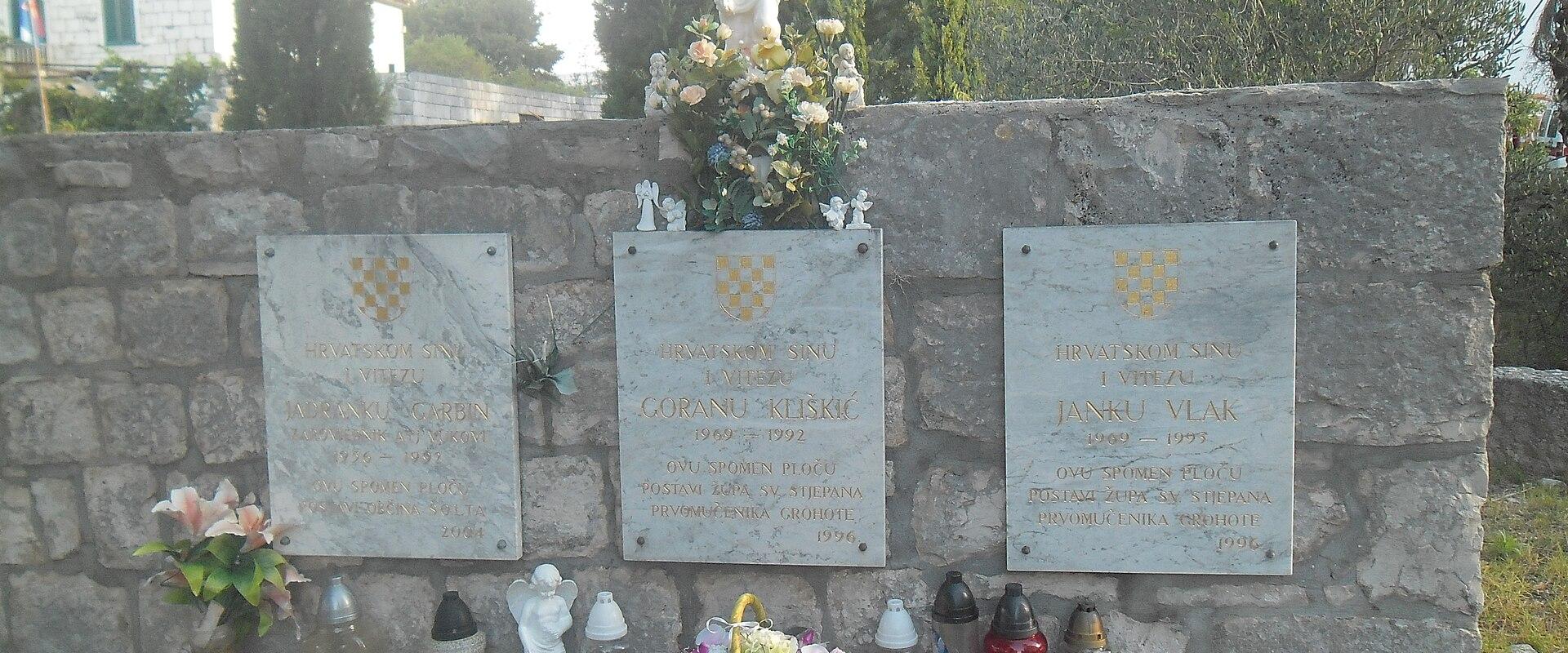
Grohote Graveyard (Vesna Parun's Grave)
Resting place of poet Vesna Parun on Šolta
- Where
- Šolta Island, Dalmatia
- Directions
- Directions
The graveyard in Grohote is a small, quiet cemetery in the largest village on the island of Šolta, off Split, and it is best known as the resting place of Vesna Parun, one of Croatia's most celebrated 20th-century poets. Parun was born in 1922 on the island of Zlarin, near Šibenik, and became known for her lyrical, passionate poetry, with a first collection that appeared just after the Second World War and earned her wide recognition. She wrote love poems, poems about the sea, and later work for children, and she lived through a long and often difficult life, sometimes in poverty, that she turned into verse. In her later years, she settled on Šolta, and after she died in 2010, she was buried in Grohote, in the island's soil that she had loved.
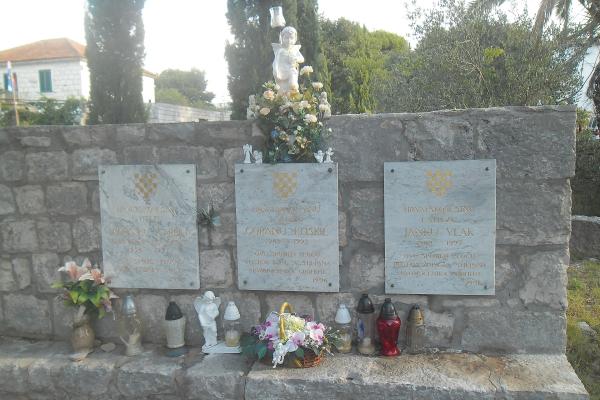
The graveyard lies beside the parish church of St. Stephen, a building in a neo-Renaissance style that dominates the village centre. The cemetery is typical of Dalmatia, with stone slabs and crosses, cypresses and Mediterranean shrubs, and a calm that invites a short reflective visit. Vesna Parun's grave is simple, and visitors, particularly lovers of Croatian literature, sometimes leave flowers, candles or lines of verse. It is a small pilgrimage for those who know her poems, and for others it is a gentle way to connect the island with its cultural life.
Grohote itself is the oldest and largest settlement on Šolta, and traces of its long past are visible in the old stone houses and lanes. The island was settled in antiquity, and the Romans left remains of villas and farms, while centuries of Dalmatian village life added churches, towers and terraces. In the village, the Slavić Tower is a historic fortified house, and the Bratska kuća, the Brotherhood House, once served as the island's first school and now hosts cultural activities and events. Walking through Grohote's narrow streets, you pass small shops, a market and cafés where residents meet.
The graveyard is open as a public place and has no entrance fee, so it can be visited at any time during the day. It is easy to find on foot, and the village can be reached by bus or taxi from Rogač, where the ferry from Split arrives. Visitors should be respectful, speak quietly and avoid disturbing mourners.
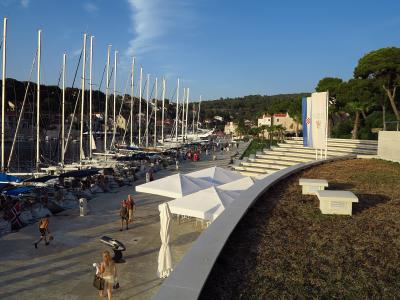
Other places on the island complement the visit. Maslinica Marina and the Seven Islets, Stomorska Port, the chapel at Gornje Selo, the church at Srednje Selo and the quiet bay of Gornja Krušica show different sides of Šolta. The graveyard suits literature lovers and travellers interested in island culture. Allow about 20 minutes, and combine it with a coffee in the village.
Categories
More photos coming soon
Nearby Attractions
Other places to visit in Šolta Island
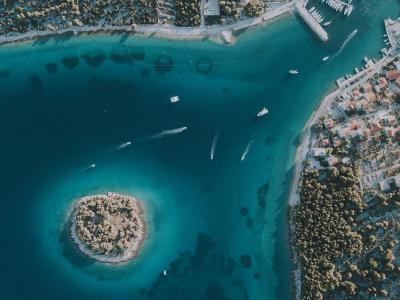
Stomorska Port
Historic harbor with tranquil bays and local charm
Coastal & Maritime · Harbors
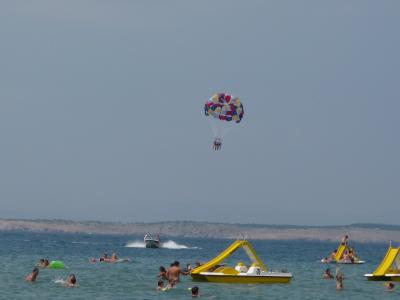
Beach Gornja Krušica
Secluded pebble beach on Šolta’s historic coast
Coastal & Maritime · Beaches
Maslinica Marina
Historic marina beside a 1708 castle on Šolta
Coastal & Maritime · Water Sports

Srednje Selo Church
Medieval church in Šolta’s oldest village
History & Heritage · Historic Churches
Questions people ask
Quick Facts
Best Time to Visit
May to September offers warm weather, inviting sea, and lively events; spring and early autumn are quieter with pleasant temperatures for outdoor activities.