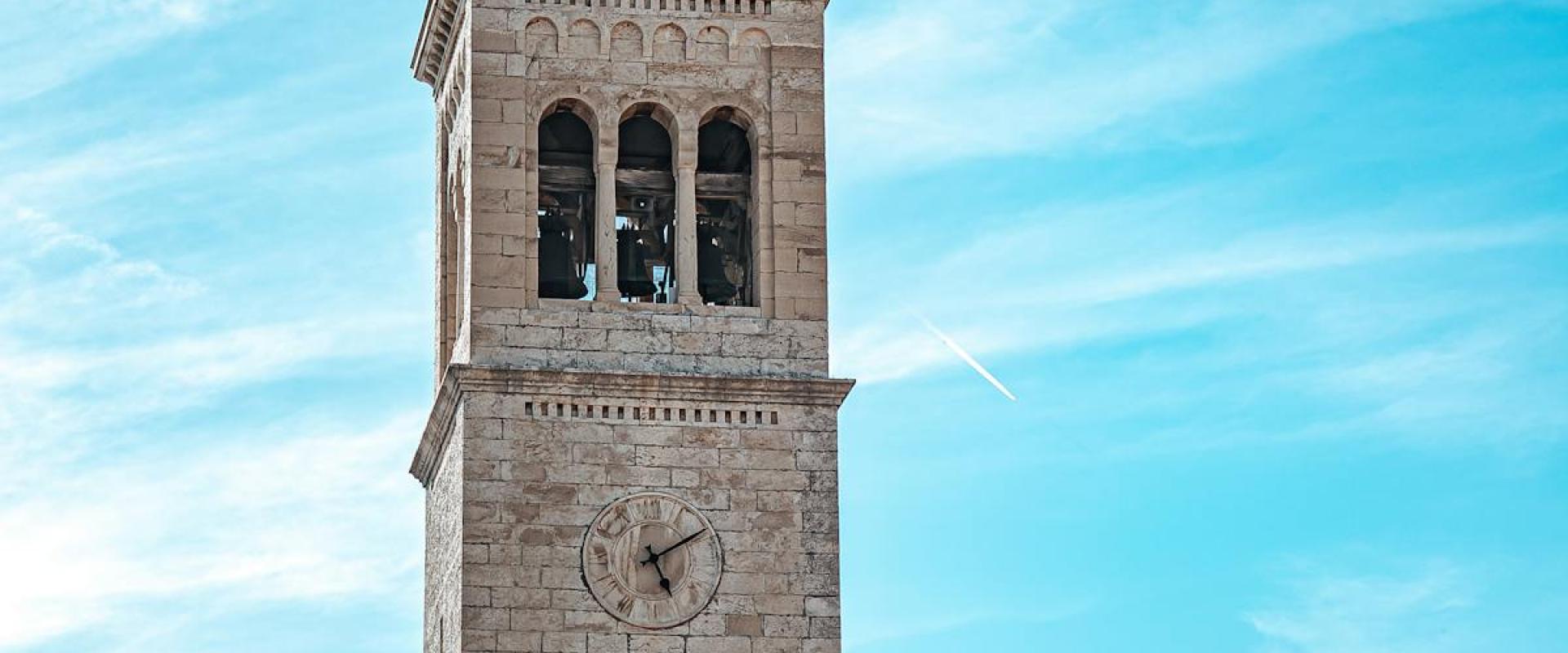
Srednje Selo Church
Medieval church in Šolta’s oldest village
Srednje Selo is the smallest and least populated village on the island of Šolta, a green and quiet island just off Split, in central Dalmatia. The name means Middle Village, and it lies in the interior of the island, between Gornje Selo and Donje Selo, reached by lanes and old footpaths from Grohote, the island's main inland settlement. The parish church at the centre of this tiny hamlet is the focal point of a place where very few people live now but where, for centuries, farmers, olive growers and vine growers made a living from the stony soil.
Šolta was settled in prehistory, and the Romans and later the Venetians left their marks, but the island's character was formed mainly by the rural communities that grew up in the interior, away from the coast and its pirates. The villages were built inland, with houses of local stone, thick walls and small windows, grouped around a church and a few shared wells. Srednje Selo preserves this pattern. The lanes between the houses are irregular and paved with stone, with sharp bends and small courtyards, and some of the larger houses, such as the ones called Purtića dvor and Lukin dvor, are fortified farm complexes with enclosed courts that are valued for their architecture and the way they fit the landscape. Many of the buildings are in need of repair, and a quiet melancholy hangs over the village, which is also part of its appeal.
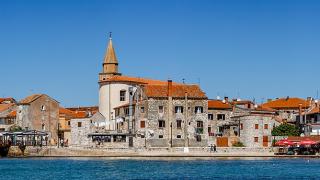
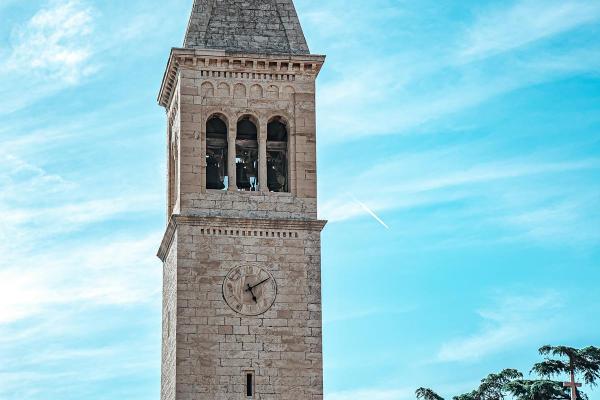
The church is small and plain, built of stone with a simple bell gable, and fits easily into the group of houses around it. Details of its date and furnishings are not well documented, so it is best seen as a typical rural parish church, a place that gathered the community for services on feast days and marked the stages of life. It may be closed outside services, so you may have to be content with seeing the exterior and the setting.
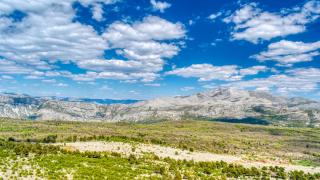
Reaching the village is part of the experience. Walking or cycling trails from Grohote cross olive groves, dry-stone walls and fields of aromatic herbs, and the island is known for its olive oil, honey and wine. The interior is silent, apart from birdsong and the occasional tractor, and it gives a feel for the life that still goes on away from the beaches.
Other places on Šolta can fill the rest of the day, including Maslinica with its marina and the seven islets nearby, Stomorska port and the beach at Gornja Krušica, all of which are listed in this guide. Bring water, wear sturdy shoes, and respect private property. The village suits walkers, cyclists, photographers and travellers who like quiet, authentic places. Allow an hour in the village, plus the walk.
Categories
More photos coming soon
Nearby Attractions
Other places to visit in Šolta Island
Frequently Asked Questions
Quick Facts
Best Time to Visit
May to September offers warm weather, inviting sea, and lively events; spring and early autumn are quieter with pleasant temperatures for outdoor activities.