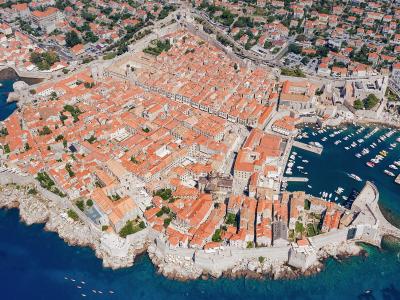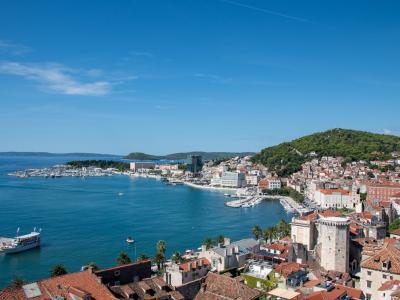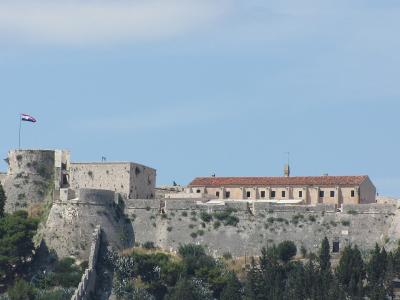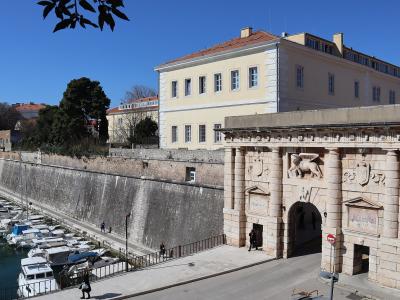
Šolta Island
Dalmatian island with tranquil coves and olive groves
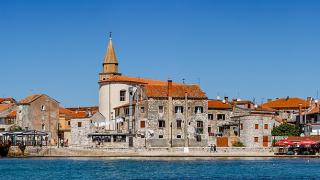
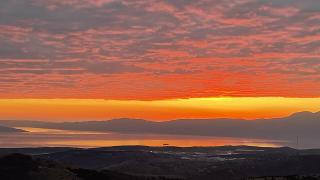
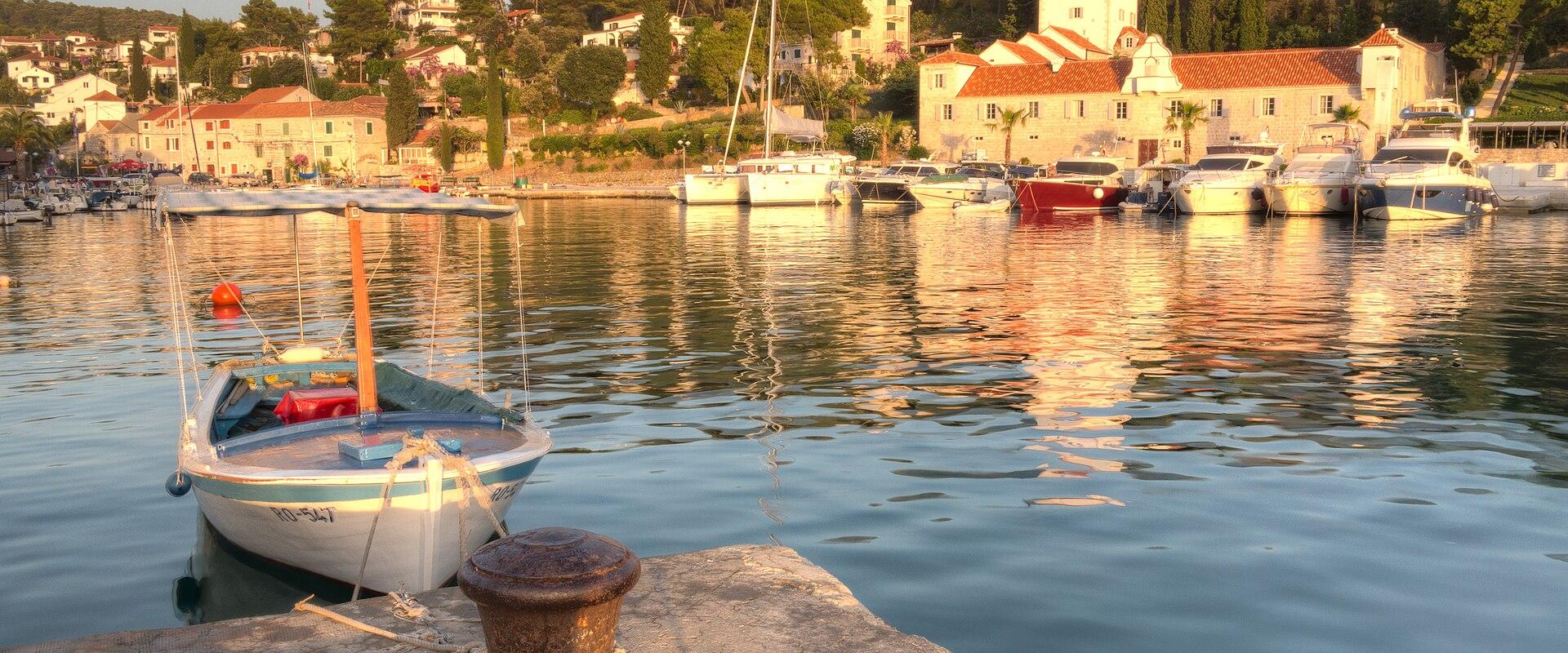
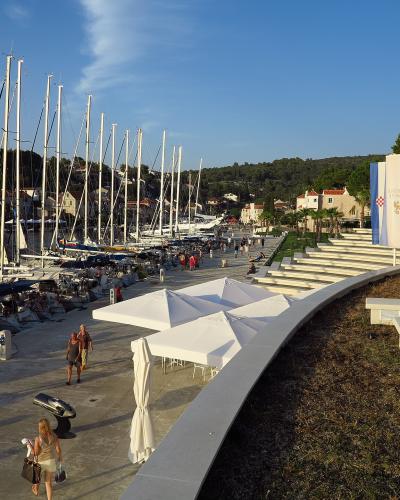
Šolta’s history stretches back to ancient times, with evidence of Greek and Roman settlements and a long tradition of fishing, olive oil production, and winemaking. The island’s main village, Grohote, is the oldest and largest settlement, featuring narrow alleys, stone houses, and a lively local market. Other picturesque villages include Stomorska, a charming harbor with seafood restaurants and traditional boats; Maslinica, known for its 18th-century Marchi Castle and beautiful sunsets; and the peaceful Donje Selo and Srednje Selo, surrounded by olive groves and vineyards.
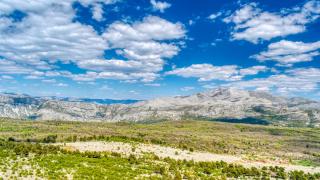
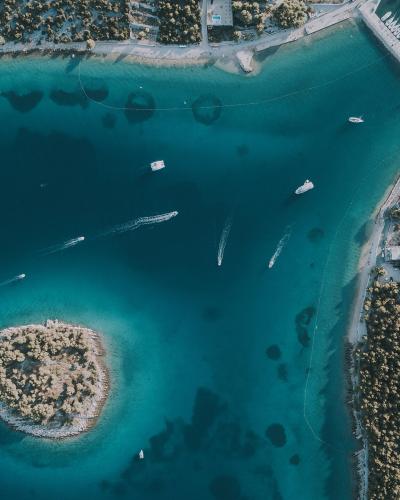
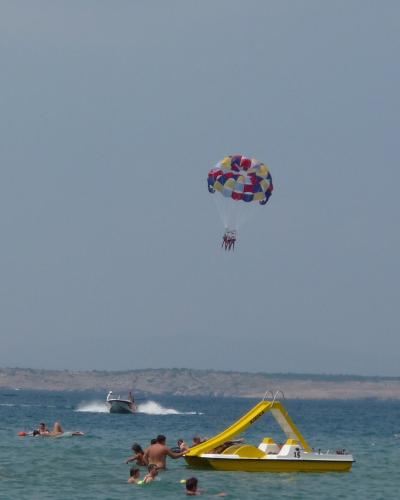
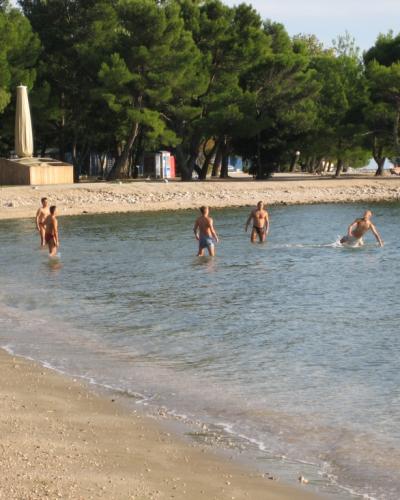
Šolta’s coastline is lined with tranquil coves and beaches, such as Gornja Krušica, Nečujam, and the sandy beach of Šipova. The clear, calm waters are ideal for swimming, snorkeling, kayaking, and sailing, with several diving centers offering excursions to shipwrecks and reefs. Boat tours explore the islets and hidden bays around Šolta, while cycling and hiking trails wind through pine forests, olive groves, and up to scenic viewpoints like Vela Straža, the island’s highest peak at 238 meters.
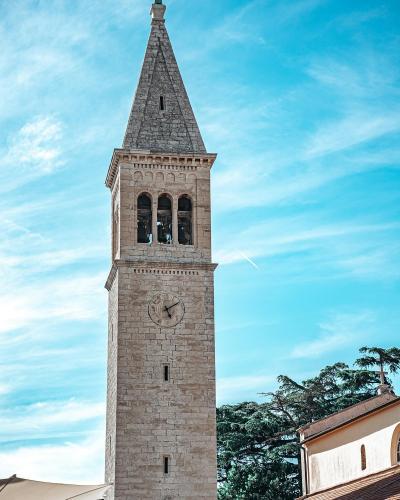
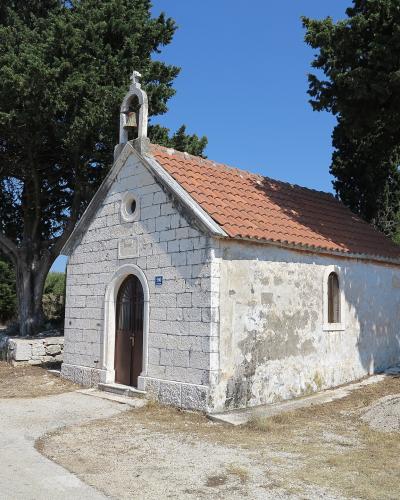
Cultural highlights include the Basilica of St. Stephen, the ruins of Roman fishponds, and the island’s many small churches and chapels. Visitors can sample local olive oil, honey, and wines at family farms and agritourism estates, or join guided tours and tastings. The island’s summer calendar is filled with festivals, concerts, and open-air events celebrating Dalmatian music, cuisine, and traditions.
Getting to Šolta is straightforward. Regular ferries and catamarans connect the island to Split, with the main ports at Rogač and Stomorska. Local buses, taxis, and scooter rentals make it easy to explore the island’s villages and beaches. Accommodation options range from boutique hotels and guesthouses to private apartments and campsites, catering to all preferences and budgets.
The best time to visit Šolta Island is from May to September, when the weather is warm, the sea is inviting, and the island’s beaches, festivals, and outdoor activities are in full swing. Spring and early autumn offer mild temperatures, fewer crowds, and excellent conditions for hiking, cycling, and sightseeing. Whether you seek relaxation, adventure, or a taste of authentic Dalmatian island life, Šolta promises a memorable and sun-soaked escape.
Best Time to Visit
May to September offers warm weather, inviting sea, and lively events; spring and early autumn are quieter with pleasant temperatures for outdoor activities.
Did you know?
Interesting, verified facts about Šolta Island
Ancient Greek Settlement Records
HistoryThe island of Šolta is one of the few locations in the region with ancient historical records, first mentioned by the Greek geographer Pseudo-Skylax. The island was also known by the name Solentia in later Roman records.
Source: external sourcePlan Your Visit to Šolta Island
Essential travel tips and information for your trip to Šolta Island.
Suggested Itineraries
Travel Tips
Currency
EUR • Cards widely accepted
Language
Croatian • English in tourist areas
WiFi
Free WiFi in cafes and hotels
Explore Šolta Island by Interest
Discover attractions and experiences in Šolta Island organized by your interests and travel preferences.

All attractions in Šolta Island
Sorted by our recommendation score
Quick Facts
Book your stay
Frequently Asked Questions
More destinations in Dalmatia
Explore other amazing places in the Dalmatia region