







- Where
- Krapina, Zagorje
- Directions
- Directions
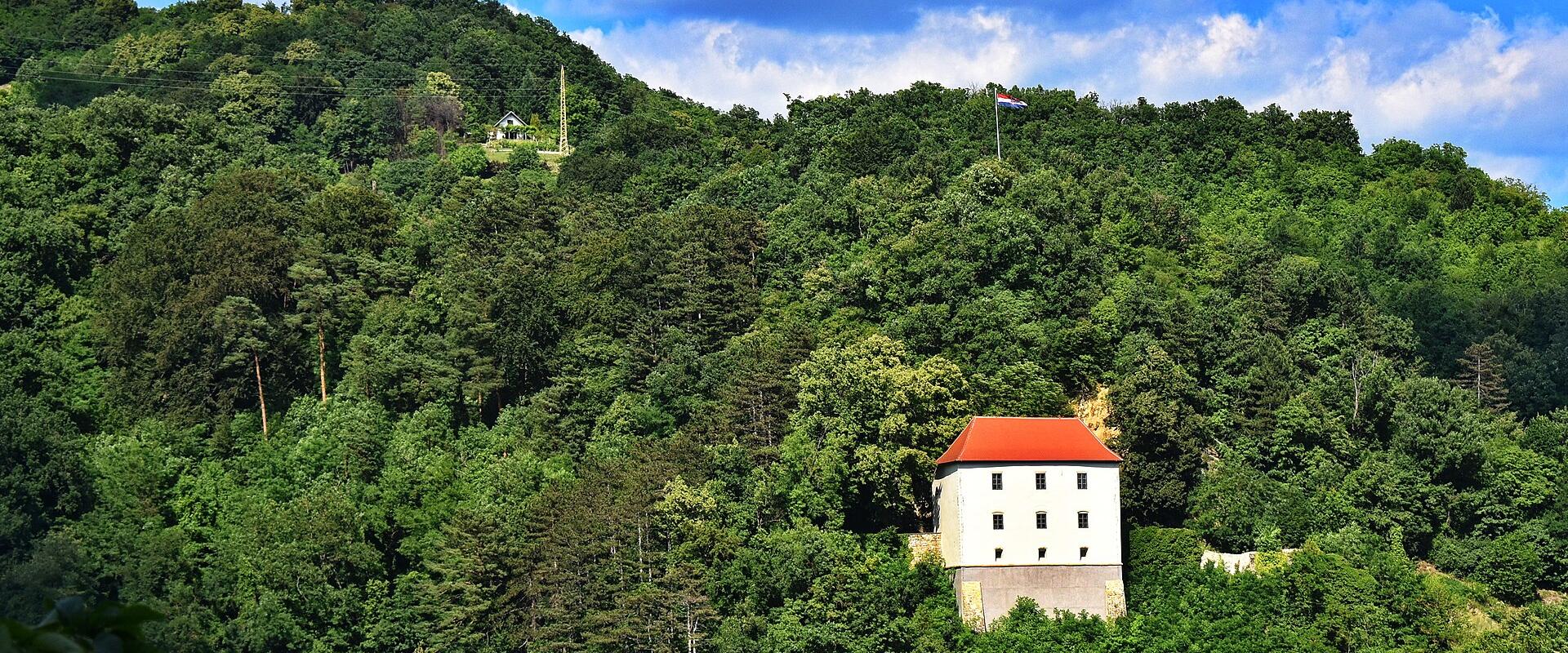
Krapina Medieval Fortress, also known as Stari Grad Krapina, is the ruin of a castle on a hill above the town of Krapina, in Hrvatsko Zagorje, in northwestern Croatia. The hill overlooks the Krapinica valley and the roofs of the town, and the remains of the walls give a sense of how the old fortification once dominated the settlement below.
The castle belongs to the long line of medieval strongholds that guarded the Zagorje hills. In the Middle Ages the region was a borderland of strategic value, and local lords built fortified towers and castles on hilltops to control roads, collect dues and protect their lands. Krapina’s castle was one of these, and it was held by noble families through the centuries, passing from owner to owner as political fortunes changed. As the Ottoman threat receded and living conditions changed, many such castles were abandoned for more comfortable manor houses in the valleys, and over time their stone was reused and their walls fell into ruin. What visitors can see today are sections of wall and foundations, some of them rising out of the grass and scrub, together with the shape of the hilltop, which was shaped for defence.
Exploring the hill on foot is part of the pleasure, and the walk up is easy. A path leads from the town through woodland and meadow, with gradually widening views, and the climb is short enough to be easy for most people while being steep enough to feel like an excursion. At the top you find a quiet spot with a view over the town, the surrounding hills and the patchwork of fields, orchards and woods that characterises Zagorje. It is a popular place for locals to walk, and for visitors the combination of ruins, greenery and distance makes it good for photography, especially in soft evening light.
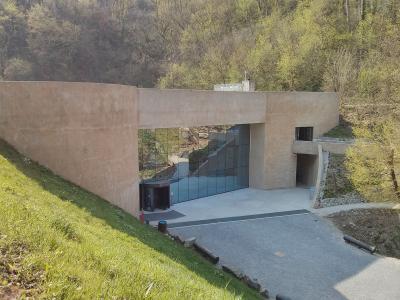
Krapina is best known worldwide for a prehistoric discovery. On the nearby Hušnjakovo hill, a Croatian scientist excavated the remains of dozens of Neanderthals at the end of the nineteenth century, one of the richest sites of its kind in Europe, and the Krapina Neanderthal Museum, built into the hillside, presents the story with reconstructions and exhibits. The town is also the birthplace of Ljudevit Gaj, a leader of the Croatian national revival in the nineteenth century. A visit to the fortress pairs naturally with the museum, which can fill an hour or two, and the old town below has cafés and shops.
There is no charge to walk to the ruins, and the site is open to the public, though it is unfenced, so watch your step near edges and loose stones. Wear sturdy shoes. It suits history lovers, walkers and anyone who enjoys a modest hill climb with a view.
Categories
More photos coming soon
Nearby Attractions
Other places to visit in Krapina

Questions people ask
Quick Facts
Best Time to Visit
Early July to mid August offers warm weather, lush scenery, and ideal conditions for sightseeing, hiking, and enjoying local festivals and outdoor activities.