







Krapina Neanderthal Museum
Neanderthal history and fossils in Krapina
Krapina is a small town in Hrvatsko Zagorje, about 55 kilometres north-west of Zagreb, and it is known around the world for one of the most important Neanderthal sites ever found. The Krapina Neanderthal Museum stands close to Hušnjakovo hill, where in 1899 the Croatian scientist Dragutin Gorjanović-Kramberger began to excavate a rock shelter and uncovered the bones of dozens of Neanderthals, along with stone tools and the remains of animals that they hunted. The finds are around 130,000 years old and form one of the richest collections of Neanderthal remains in the world.
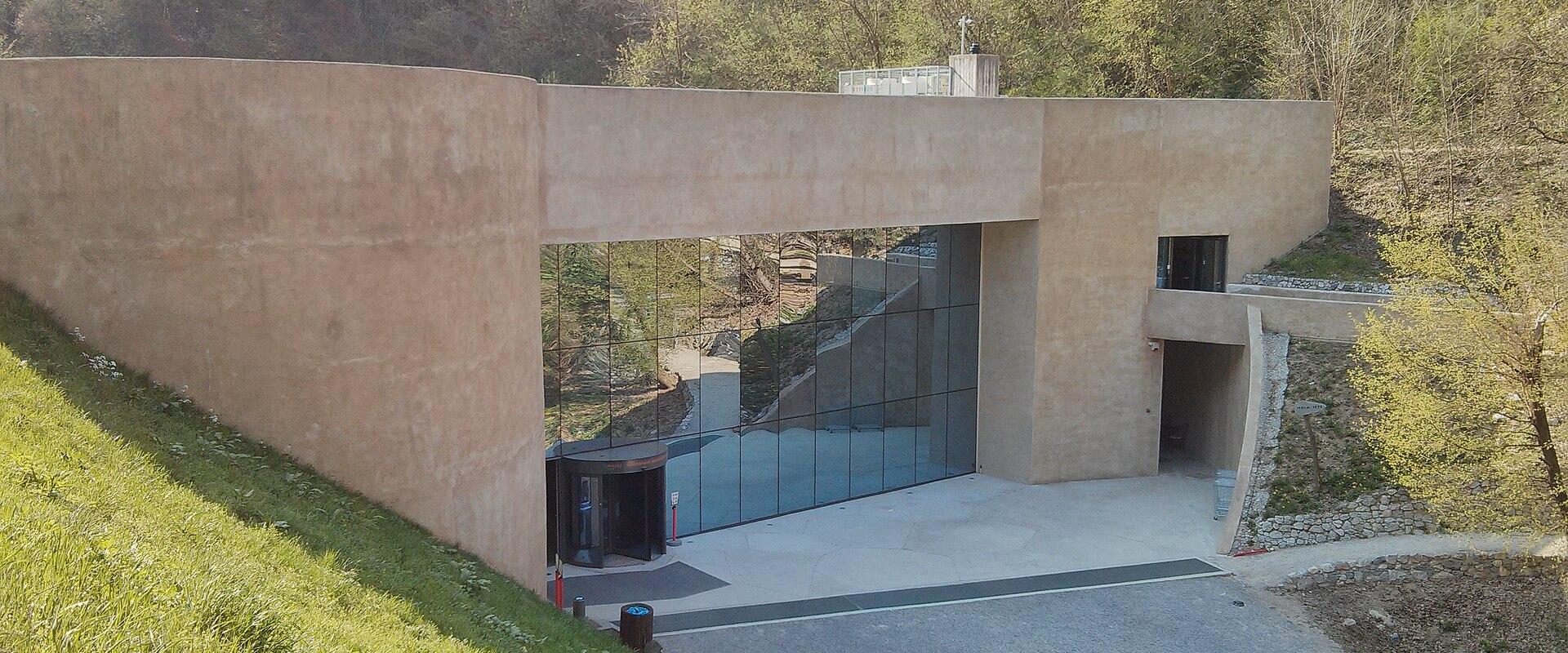
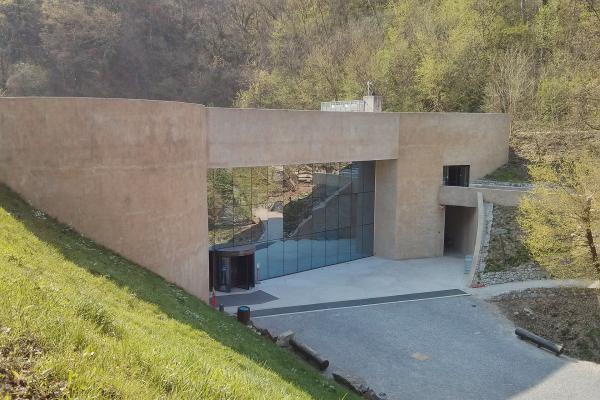
The museum was opened in the early 21st century as a modern interpretive centre, and its purpose is to explain who the Neanderthals were and how they lived. The building is set into the hillside, close to the excavation site,. Inside, displays combine original finds with multimedia, life-size reconstructions of figures and scenes, and interactive stations, so visitors can see the face of a Neanderthal, learn how they made tools and fire and imagine a day in the valley when the Krapina shelter was a camp. The story follows the development of life on Earth and human evolution, with the Krapina finds as the central chapter. Guided tours and audio guides are usually available, and activities for children make the museum popular with school groups and families.
The surrounding landscape adds to the visit. A short path leads from the museum to the Hušnjakovo hill, where the site of the excavation is preserved and a view over the town and valley opens up. The walk is a gentle climb and the best way to understand the setting, though the surface is not suitable for wheelchairs. The scientific work of Gorjanović-Kramberger also deserves a mention, as it was among the first in Europe to study Neanderthals in such detail and led to important conclusions about their behaviour and appearance.
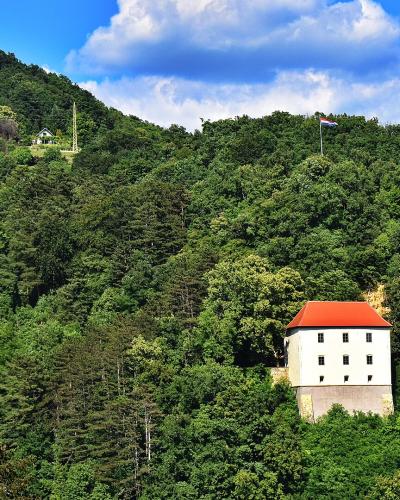
Opening hours and ticket prices depend on the season, and they change from time to time, so check before you travel. The museum can be seen in an hour or two. Krapina has other things to see, including the Krapina Medieval Fortress and Stari grad Krapina, the old town, and the region's castles, spas and wine roads are close by.
The museum suits families, school groups and anyone interested in human origins. It is a good rainy-day choice, and it combines well with a walk up the hill.
Categories
More photos coming soon

Frequently Asked Questions
Quick Facts
Best Time to Visit
Early July to mid August offers warm weather, lush scenery, and ideal conditions for sightseeing, hiking, and enjoying local festivals and outdoor activities.