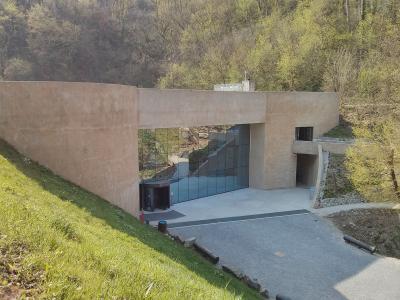
Krapina’s history stretches back to prehistoric times, when Neanderthals inhabited the caves of Hušnjakovo Hill. The discovery of Neanderthal remains in 1899 put Krapina on the world map, and today the Krapina Neanderthal Museum is a major attraction, with interactive exhibits, life-size reconstructions and guided tours of the archaeological site. The museum provides a fascinating journey through human evolution and the daily life of our ancient ancestors, and its building, partly sunk into the hillside, blends into the landscape. The Hušnjakovo site itself can be reached by a short path, and a set of sculptures along the way, showing the Neanderthals at work, adds to the walk. The bones found here, many of them showing signs of tool use, are among the largest groups of Neanderthal fossils in Europe.
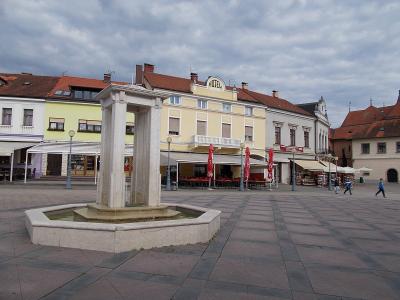
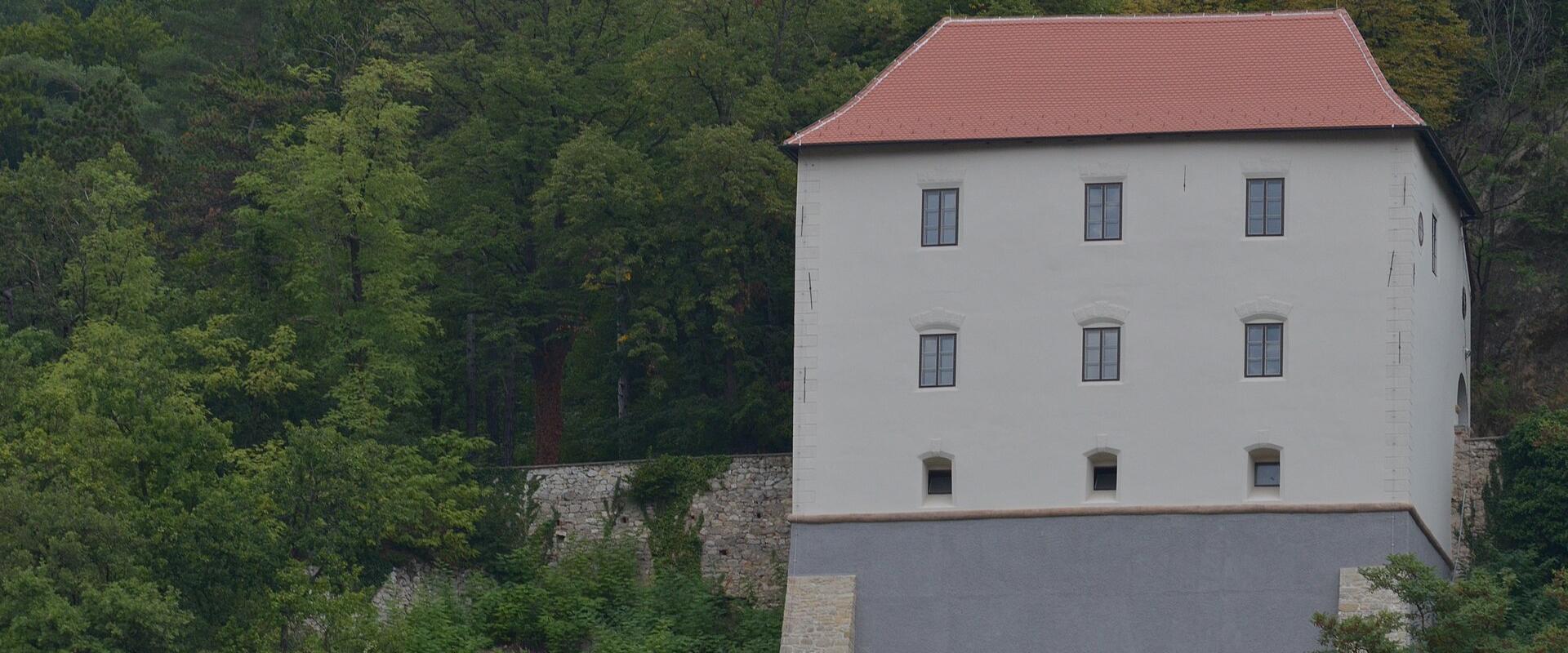
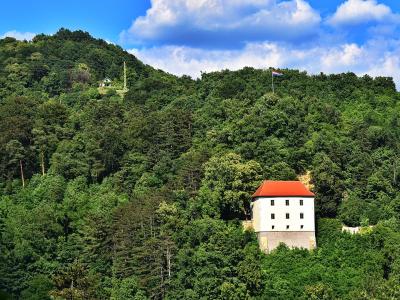
The town itself flourished in the Middle Ages as a market and administrative center, with its strategic location making it a hub for trade and culture in the Zagorje region. The Krapina Medieval Fortress, or Stari grad, stands on a hill above the town, and its ruins give a glimpse of the region’s medieval past and wide views over the valley. Krapina’s old town is a blend of Baroque and neoclassical architecture, with highlights including the Church of St. Nicholas, the Franciscan Monastery and the main square lined with cafes, shops and historic buildings. The town’s lively markets, festivals and open-air concerts reflect its community spirit, and the City Library, the Gradska knjižnica, is a pleasant cultural center on the riverside promenade.
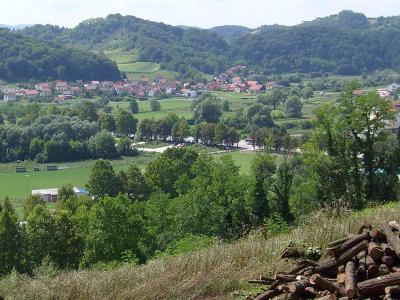
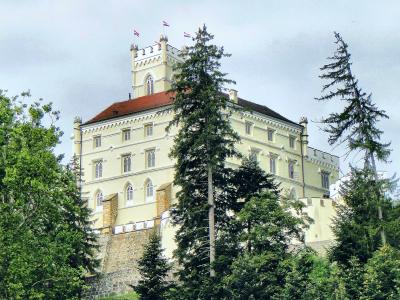
Krapina is also a gateway to outdoor adventure. The surrounding hills and forests are crisscrossed with hiking and cycling trails, offering routes for all levels and panoramic views of the Zagorje landscape. Day trips to nearby attractions such as Trakošćan Castle, Veliki Tabor and the thermal spas of Krapinske Toplice are easily arranged by car or bicycle. The area’s gentle terrain and beautiful vistas make it good for family outings, photography and birdwatching.
Cultural life in Krapina is rich and diverse, with events such as the Krapina Festival of Kajkavian Song, art exhibitions and community gatherings that celebrate local music, cuisine and traditions. The Kajkavian dialect, spoken across northern Croatia, has a long literary tradition, and the festival keeps it alive in popular music. The town’s restaurants and guesthouses serve hearty Zagorje dishes, homemade bread and pastries, best enjoyed with a view of the river or hills. Local markets and food festivals show the flavors of the region, which makes Krapina a favorite for food and wine lovers. Štrukli, baked or boiled cheese pastry, is the dish to try, and the white wines of the surrounding hills go well with it.
A good plan for a day in Krapina starts with the museum in the morning, continues with the walk to the Hušnjakovo site and a lunch in the town, and ends with a climb to the old fortress or a drive to a nearby castle. The pace is relaxed, and the town is small enough to explore on foot.
Getting to Krapina is straightforward. The town is accessible by road and rail from Zagreb and other regional centers, with regular trains and buses serving the area. Parking is available in the town center, and the compact layout makes it easy to explore on foot or by bicycle. Accommodation options include hotels, guesthouses and rural lodges, providing a comfortable base for visitors.
The best time to visit Krapina is from early July to mid August, when the weather is warm, the countryside is lush and local festivals and outdoor activities are in full swing. Spring and early autumn also offer mild temperatures and beautiful scenery, suited to sightseeing, hiking and the relaxed pace of town life. Whether you are interested in history, culture or outdoor adventure, Krapina offers a memorable and rewarding stay.
Best time to visit
Early July to mid August offers warm weather, lush scenery, and ideal conditions for sightseeing, hiking, and enjoying local festivals and outdoor activities.
What to see in Krapina
Our picks first.

Krapina by interest
The same sights, grouped by what you came for.
Did you know?
Checked facts about Krapina, each with its source.
-
History
The World's Largest Neanderthal Find in One Place
Between 1899 and 1905, Dragutin Gorjanović-Kramberger excavated Hušnjakovo hill in Krapina, recovering fossils of several dozen Neanderthals of both sexes and varying ages, the largest assemblage of Neanderthal remains ever found in one place. A Neanderthal museum now stands at the site.
Source: Croatia Week
Planning a visit to Krapina
Itineraries that include Krapina
Good to know
- Currency
- EUR
- Language
- Croatian