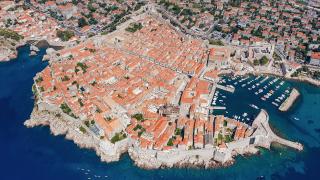
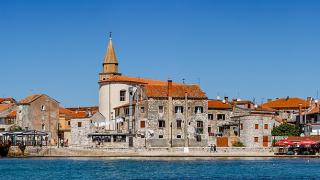
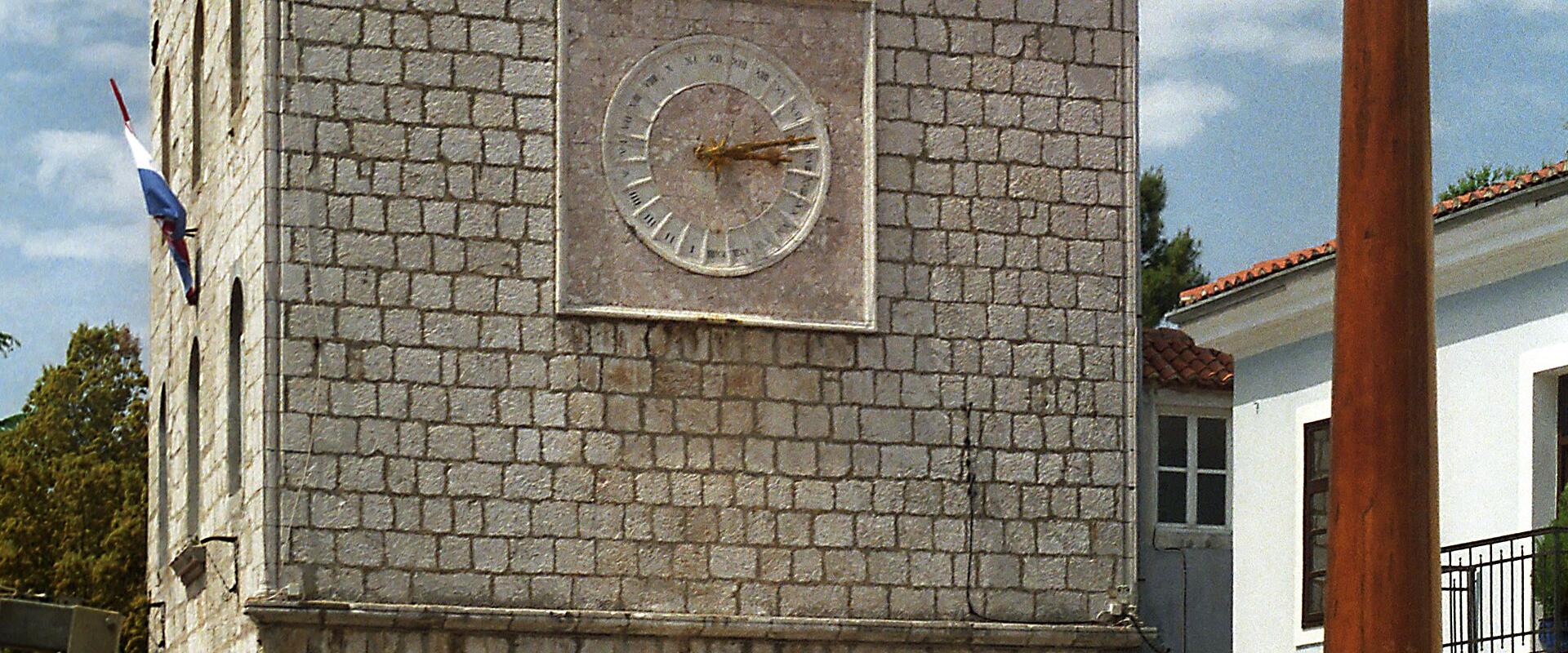
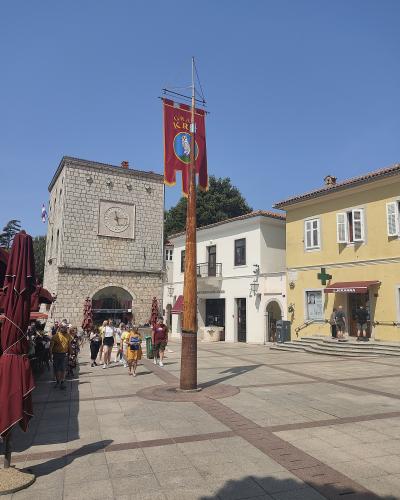
The Krk Town Walls and Gates form a remarkable historical perimeter around the old town, representing one of the most significant fortified systems in Croatia. As the third-largest wall system in the country, following Ston and Dubrovnik, these structures encircle the historic center on both landward and seaward sides, offering visitors a tangible connection to the island’s ancient past. The fortifications are not merely defensive barriers but also define the spatial layout of the old town, guiding the flow of pedestrian traffic through narrow, winding streets.
The origins of these walls trace back to the 4th or 3rd century BC, predating Roman influence, with the oldest sections reflecting early defensive engineering. Historical records, including a Roman stone inscription from 50–30 BC and a 1133 document, detail the continuous maintenance and reinforcement of these barriers over centuries. A significant overhaul in 1489, ordered by Providur Antonio Vinciguerra, shaped the current appearance of the walls. All four city gates were originally reinforced with towers, a feature confirmed by an 1821 map, though the structures have evolved as warfare tactics changed and the walls became obsolete by the mid-17th century.
Visitors can walk along the preserved sections of the walls, observing the sturdy stonework and the strategic placement of the gates. The site provides a quiet, reflective experience, allowing travelers to appreciate the architectural resilience that has protected Krk for millennia. While there are no admission fees or specific opening hours for the walls themselves, as they are part of the public urban fabric, they offer a free and accessible way to engage with the city’s rich cultural heritage. The walls stand as a silent witness to the island’s history, inviting exploration and contemplation of the enduring legacy of Krk’s ancient defenses.
Categories
More photos coming soon
Nearby Attractions
Other places to visit in Krk
Frequently Asked Questions
Quick Facts
Best Time to Visit
May to June and September to October for mild weather and fewer crowds.