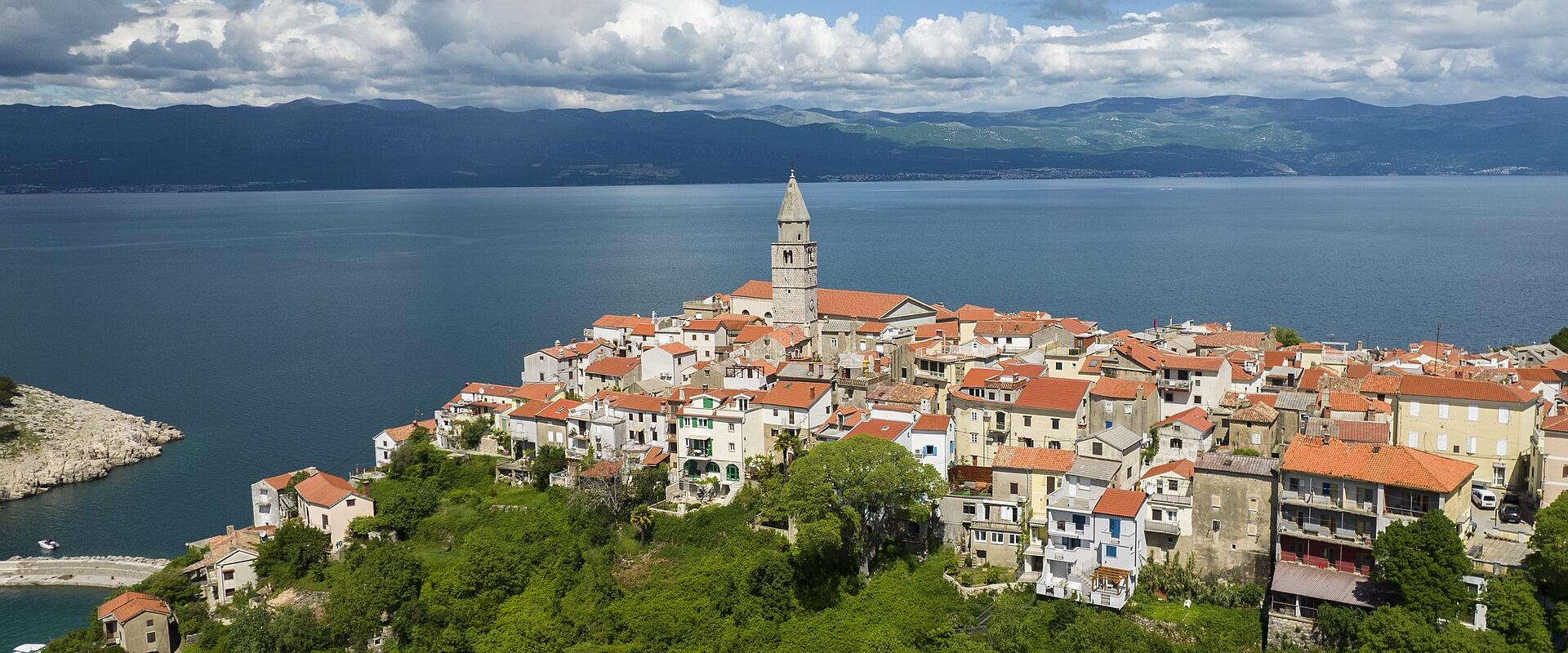
Krk
Largest Croatian island connected to mainland by bridge
History
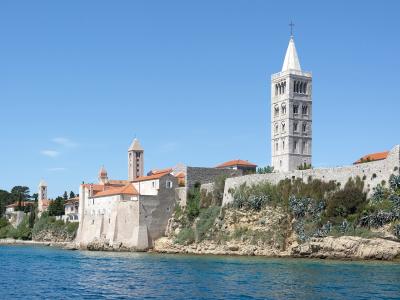
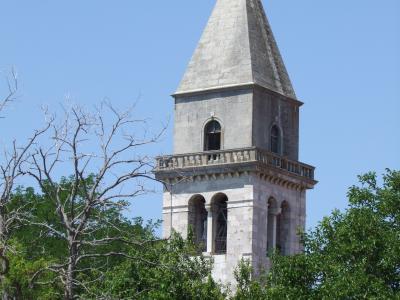
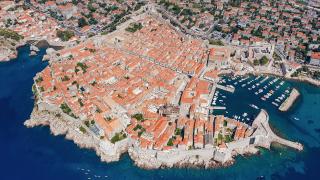
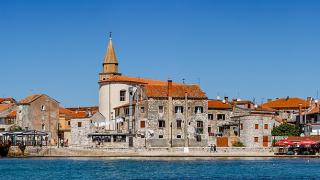
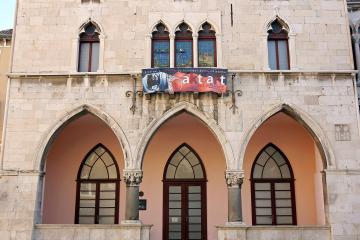
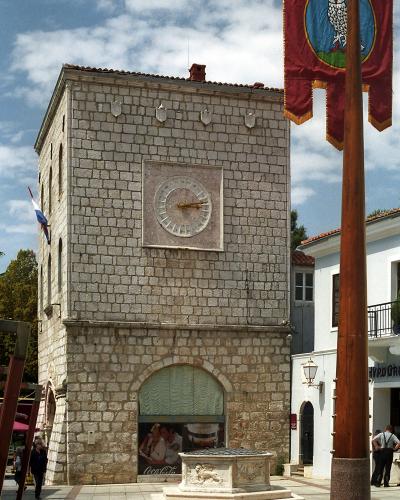
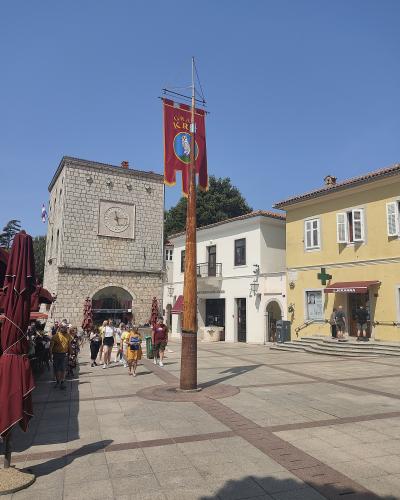
Krk is the largest island in the Adriatic, boasting a history that spans over two millennia. Its strategic location in the Gulf of Kvarner made it a focal point for various civilizations, including the Illyrians, Romans, and Venetians. The island’s cultural identity is deeply rooted in the Glagolitic script, the oldest known Croatian alphabet. The most significant artifact from this era is the Baška Tablet, a 9th-century stone inscription discovered in the Church of St. Lucy in Jurandvor. This tablet is recognized as one of the oldest records in the Croatian language and a masterpiece of Glagolitic literature. Throughout the Middle Ages, Krk served as an important ecclesiastical and administrative center, with the Bishopric of Krk playing a key role in the region. The island’s architecture reflects this layered past, featuring Romanesque churches, Gothic chapels, and Venetian fortifications. The historic town of Krk retains its medieval layout, with narrow streets and stone houses that whisper tales of a vibrant maritime past.
Main Attractions
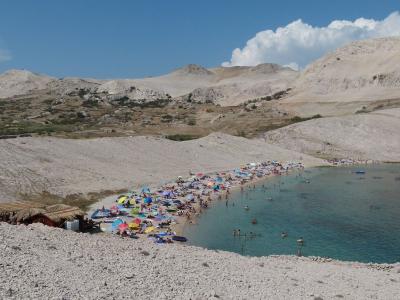
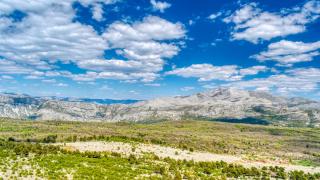
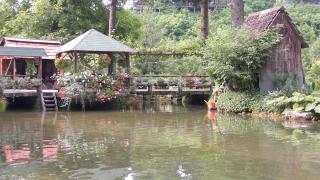
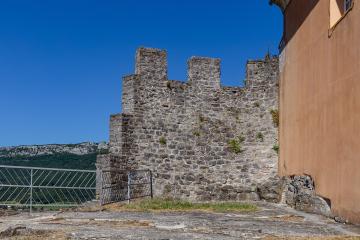
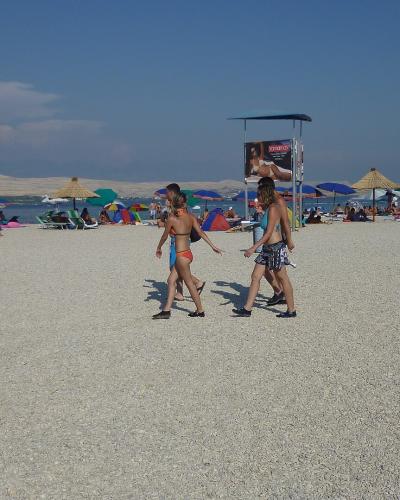
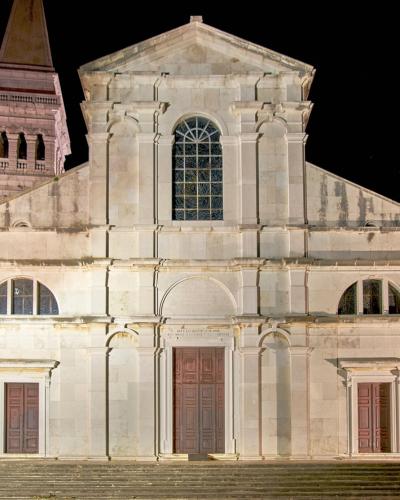
The island’s primary attraction is its diverse landscape, ranging from the rugged northern coast to the sandy beaches of the south. Krk Town, the administrative center, offers a well-preserved historic core with landmarks such as the Cathedral of the Assumption and the Frankopan Castle. The town’s walls and towers provide a glimpse into its defensive history. In the village of Jurandvor, the Church of St. Lucy houses the Baška Tablet, a must-see for history enthusiasts. The village of Vrbnik, perched on a cliff, is known for its narrowest street in the world and its renowned Malvazija wine. The Abbey of St. Lucy in Košljun is another significant site, offering a serene atmosphere and beautiful views of the sea. The island’s coastline features numerous coves and beaches, with Zrće Beach in the north being famous for its vibrant nightlife, while the southern beaches like Baška and Punat offer calmer waters ideal for families.
Activities
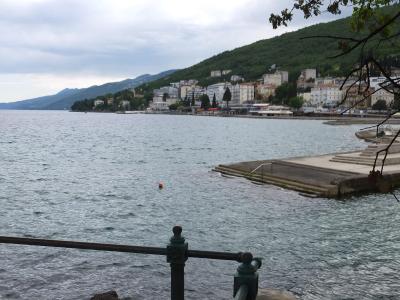
Visitors to Krk can engage in a variety of activities that highlight the island’s natural and cultural offerings. Hiking and cycling are popular, with numerous trails winding through pine forests, olive groves, and along the coastline. The island’s flat terrain in many areas makes it accessible for cyclists of all levels. Water sports are abundant, with opportunities for swimming, snorkeling, and sailing in the clear Adriatic waters. Wine tasting is a key activity, particularly in Vrbnik, where local vineyards produce high-quality Malvazija and Plavac Mali wines. Visitors can join guided tours to learn about the winemaking process and taste the products. The island also hosts cultural festivals throughout the year, celebrating music, art, and local traditions. For those seeking relaxation, the numerous beaches and quiet bays provide perfect spots for sunbathing and reading.
Getting There
Krk is easily accessible from the mainland via a bridge connecting the town of Krk to Rijeka. This bridge eliminates the need for ferries, making the island a convenient destination for road trips and campervans. Regular bus services connect Krk Town to Rijeka and other major cities in Croatia. For those arriving by air, Rijeka Airport is the nearest option, located just across the bridge. Car rentals are widely available in Krk Town and other major villages, providing flexibility for exploring the island. Public buses also operate within the island, connecting the main settlements. The island’s central location in the Kvarner Gulf makes it an ideal base for exploring nearby destinations such as Istria and the Dalmatian coast.
Best Time to Visit
The best time to visit Krk is during the late spring and early autumn months, from May to June and September to October. During these periods, the weather is warm and sunny, with average temperatures ranging from 20°C to 25°C, ideal for outdoor activities and swimming. The island enjoys approximately 2,500 hours of sunshine annually, ensuring pleasant conditions for most of the year. July and August are peak tourist months, offering the warmest weather but also the largest crowds and higher prices. Winter is mild, with temperatures rarely dropping below freezing, making it suitable for those seeking a quiet retreat. The shoulder seasons offer the best balance of good weather, fewer crowds, and lower accommodation costs, allowing visitors to fully appreciate the island’s natural beauty and cultural heritage.
Best Time to Visit
May to June and September to October for mild weather and fewer crowds.
Plan Your Visit to Krk
Essential travel tips and information for your trip to Krk.
Suggested Itineraries
Travel Tips
Currency
EUR • Cards widely accepted
Language
Croatian • English in tourist areas
WiFi
Free WiFi in cafes and hotels
Explore Krk by Interest
Discover attractions and experiences in Krk organized by your interests and travel preferences.
All attractions in Krk
Sorted by our recommendation score
Quick Facts
Book your stay
Frequently Asked Questions
More destinations in Kvarner
Explore other amazing places in the Kvarner region