








- Where
- Krka National Park, Dalmatia
- Directions
- Directions
Krka National Park is built around a short and extraordinary river. The Krka River rises near the foot of the Dinaric mountains and runs for about seventy kilometres across the Dalmatian hinterland to the sea near Šibenik, cutting through limestone canyons, and along the way it builds one of the most remarkable chains of waterfalls in Europe. The park, set up in 1985, covers about 109 square kilometres and protects the lower and middle course of the river and the land around it. It is one of the most visited places in Croatia, and with good reason.
The waterfalls are the star. Seven major falls and cascades lie along the river, formed where the water meets barriers of travertine, a porous rock built up over thousands of years by moss and algae. The best-known and largest is Skradinski Buk, a broad series of terraces and pools, wide as a theatre, where the river drops in dozens of small steps through woodland. Others include Roški Slap, Manojlovac, the highest, and Bilušića Buk, and each has its own character, from thundering curtains to delicate threads. Wooden boardwalks and paths take visitors close to the water, past old watermills and through green woods, and the colours of the pools range from turquoise to emerald. Swimming in the park has been restricted in recent years to protect the environment, so check the current rules before packing a swimsuit.
The park has a human story too. On the island of Visovac, in the middle of the river, a Franciscan monastery has stood since the 15th century, and boats take visitors across to see the church and the quiet cloister. Nearby, the Orthodox monastery of Krka lies in a wooded valley. On a rocky height stands the Kljucica Fortress, and the Roman military camp at Burnum recalls the legions who guarded the frontier. Along the river there are old mills where villagers once ground grain and fulled cloth, and on the lower river at Jaruga, a hydroelectric plant was opened in 1895, one of the first of its kind in the world.
Several entrances serve the park, among them Skradin, Lozovac, Roški Slap and Burnum, and boat trips connect different parts. Tickets, opening hours and prices change with the season, so check the official website before you go, and plan to arrive early in July and August, when the park is very busy. Wear shoes with grip and bring sun protection and water.
The park suits families, walkers, photographers and anyone who loves water. Spring, when the flow is full, and autumn, when the crowds thin, are the best times.
Categories

More photos coming soon
Nearby Attractions
Other places to visit in Krka National Park
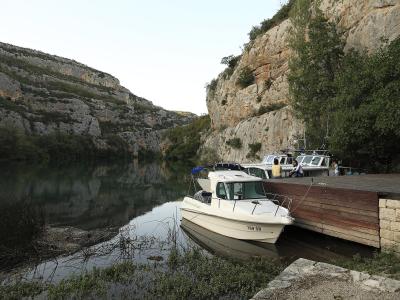
Roški Waterfall
Roški Waterfall: cascading travertine falls in Krka
Activities & Adventure · Natural Wonders
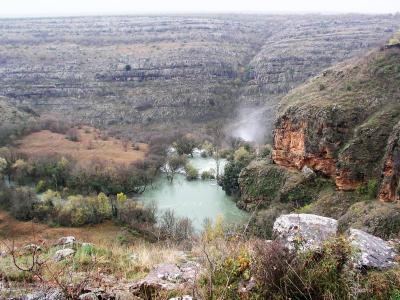
Manojlovac Waterfall
Highest waterfall in Krka National Park, Croatia
Natural Wonders

Kljucica Fortress
Medieval fortress atop Skradin hill viewpoint
History & Heritage · Urban Exploration
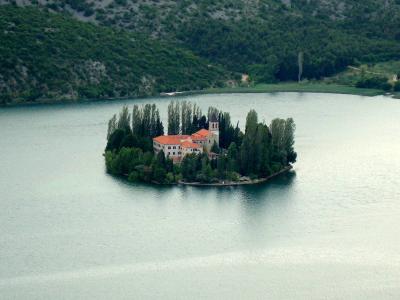
Visovac Island
Historic Franciscan monastery on Visovac Lake
Coastal & Maritime · Natural Wonders
Questions people ask
Quick Facts
Best Time to Visit
May, June, September, and October offer pleasant weather, full waterfalls, and fewer crowds; spring and early autumn are ideal for hiking and boat tours.