







- Where
- Vrsar, Istria
- Directions
- Directions
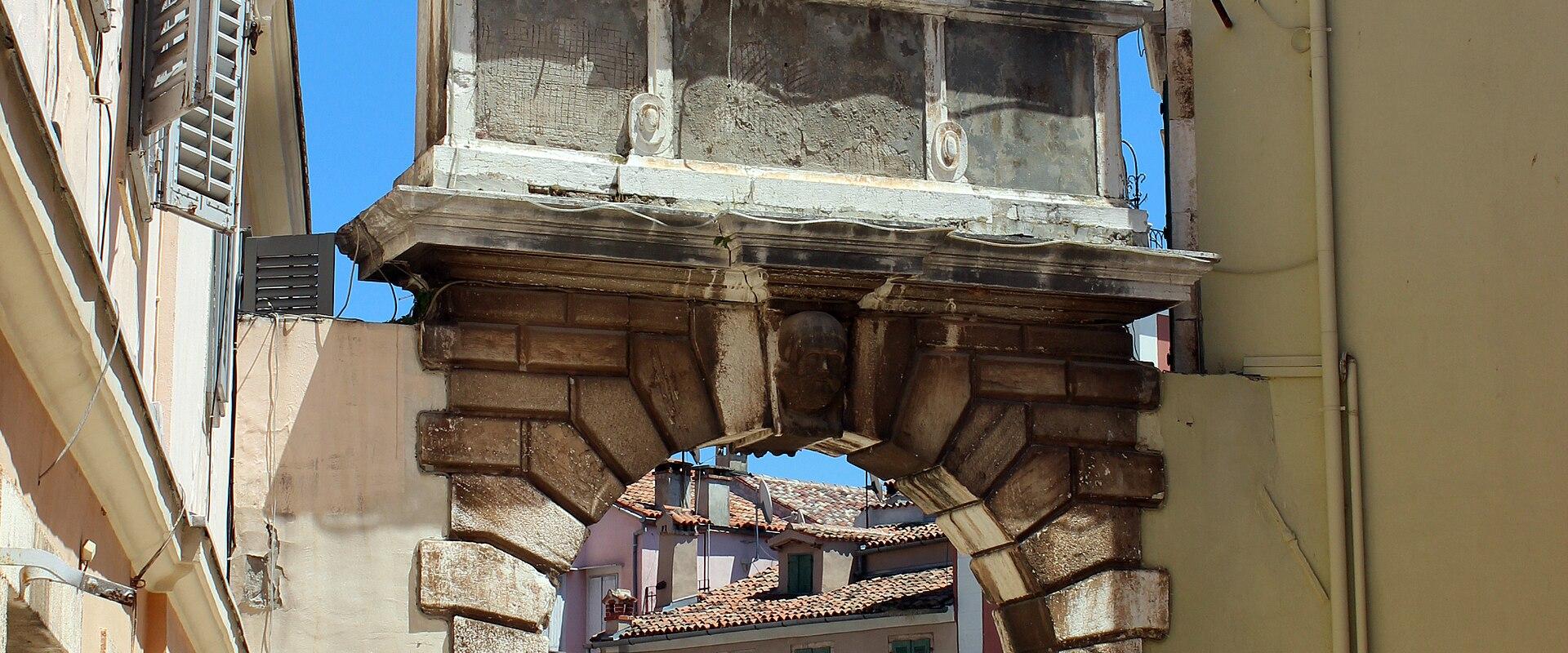
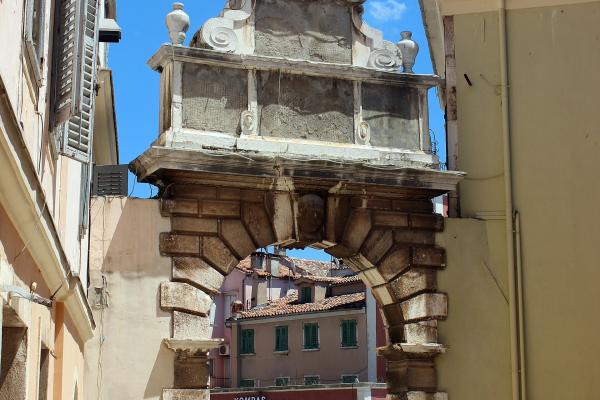
The Main City Gate is the principal entrance into the old core of Vrsar, a hilltop town on the western coast of Istria, in Croatia, that Italians know as Orsera. The town sits on a ridge above the Lim channel, and its fortified top was originally closed off by walls with a small number of gates, of which this one is the main passage for anyone arriving on foot from the lower town and the waterfront.
The gate belongs to the Romanesque phase of Istrian town building in the Middle Ages, when hilltop settlements enclosed themselves in stone and controlled who came and went. Its plain, sturdy arch is more about function than decoration, and the thickness of the masonry shows how seriously defence was taken. Later centuries added a Venetian touch in the form of a coat of arms above the opening, a reminder that Venice dominated the Istrian coast for a long period and left its mark on gates, loggias and town squares all along it. Vrsar for a time belonged to the bishops of Poreč, who kept a summer residence in the town, and the old ownership helps explain why such a small place has such a substantial set of fortifications.
Passing through the gate is the best way to understand the shape of Vrsar’s old town. Beyond it the street climbs through a tightly packed group of stone houses toward the highest point, where the parish church and its bell tower stand. Nearby is the Church of St. Fosca, one of the small churches of the old town, and visitors may also look for the Small Town Gate, a narrower opening used for pedestrians that gives a second way into the walls. From the open edges of the old centre you can look down over the harbour, the Lim channel and the olive groves and pine woods beyond. The Bell Tower of Vrsar rises close to the top of the town, and the open-air sculpture park created by Dušan Džamonja lies a short distance from the centre.
The gate is not a ticketed site and cannot be visited as a separate attraction. Treat it as the place where a walk through Vrsar naturally begins. It suits anyone interested in medieval defensive architecture, Venetian-era heraldry or Istrian hill towns generally, and it is quickest to see in the morning when the lanes are quiet and the light falls on the stone.
A short visit takes only a few minutes, but pairing it with a stroll through the lanes, a pause at the church and a descent to the harbour for lunch makes for a full, relaxed half day. Wear shoes with grip, because the stone is polished and steep in places.
Categories
More photos coming soon
Nearby Attractions
Other places to visit in Vrsar
Skulpturenpark Vrsar
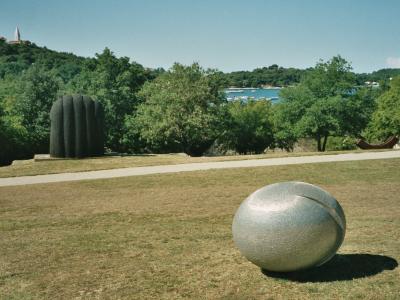
Memorial park showcasing Dušan Džamonja’s sculptures
Cultural Experiences
Bell Tower of Vrsar
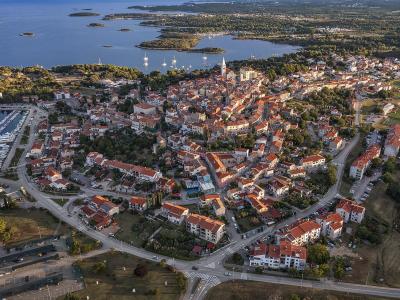
Historic bell tower with panoramic sea views
Cultural Experiences · History & Heritage
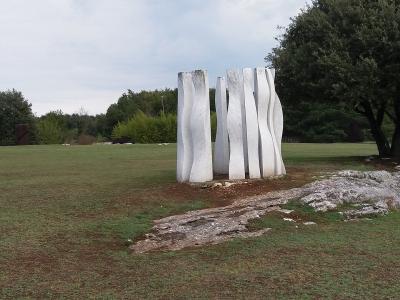
Dušan Džamonja Sculpture Park
Sculpture park blending metal art with nature
Cultural Experiences
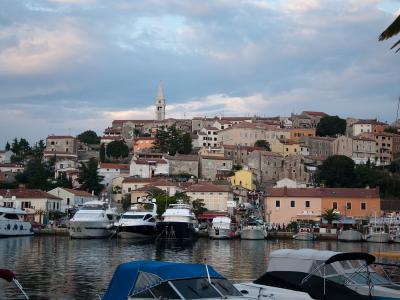
Vrsar Harbor
Harbor gateway to Vrsar Archipelago islands
Activities & Adventure · Coastal & Maritime
Questions people ask
Quick Facts
Best Time to Visit
Late June to early September offers warm weather, lively events, and ideal swimming; spring and autumn are quieter with pleasant temperatures for outdoor activities.