







- Where
- Vrsar, Istria
- Directions
- Directions
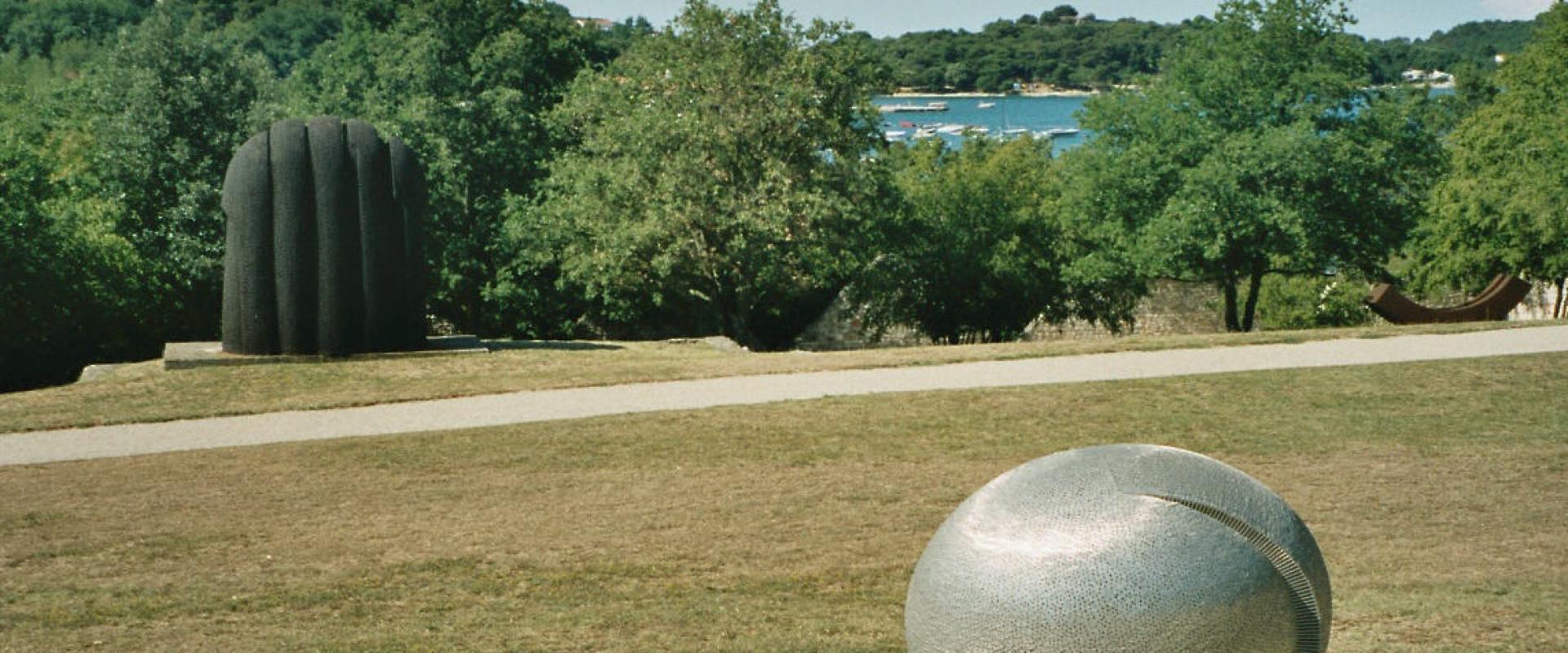
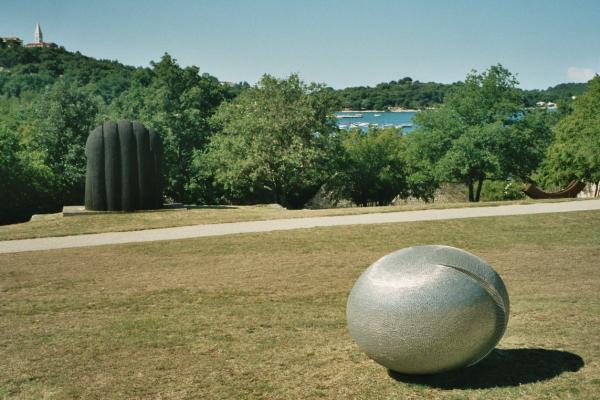
The Skulpturenpark Vrsar, also called the Dušan Džamonja Sculpture Park, is an open-air memorial complex in the coastal town of Vrsar, on the western coast of Istria, devoted to the work of one of the best-known sculptors of the former Yugoslavia. Džamonja was born in 1928 and died in 2009, and he spent a great deal of his later life in Vrsar, where he had his studio. The park is the place where his large-scale works can be seen in the landscape that shaped them, and it adds a contemporary art dimension to a town that most visitors know for its harbour, old centre and nearby campsites.
Džamonja was a leading figure in post-war Yugoslav sculpture. He worked mainly with metal, concrete and other industrial materials, building abstract forms that often looked like dense, rough-textured organisms or architectural fragments, made from nails, iron plates and welded sections. His work was exhibited widely in Europe and beyond, and he won major prizes. He is also remembered for monumental commissions, including memorials built in the 1960s and 1970s to commemorate the Second World War, such as the monument at Podgarić in the Moslavina region, which is now a famous example of Yugoslav memorial sculpture. The Vrsar park is more personal: pieces are placed among trees and rocks, and visitors find them one by one as they walk.
The park combines sculptures with information displays about the artist's life, the techniques he used and his international exhibitions, giving a clear view of his career. Visitors typically spend between one and two hours there, although a quick walk through can be done in less. The atmosphere is calm, the paths are shaded in places, and the surrounding vegetation of Mediterranean oaks and pines makes a fine contrast with the heavy, dark metal forms.
The park is easy to reach from the centre of Vrsar, and it can be combined with other sights listed in this guide: the Bell Tower of Vrsar, the Main City Gate and the harbour, where boat trips run along the coast and into the Lim Fjord. The town itself has a long history, with a hilltop castle once used as a summer residence by the bishops of Poreč, and it is known as a place where the Venetian adventurer Giacomo Casanova is said to have stayed.
Check the current opening arrangements before you go, as hours and admission can vary with the season. Wear comfortable shoes, since the paths can be uneven. The park suits art lovers, curious walkers and families who want a break from the beach, and it offers a quiet counterpoint to the busy summer coast.
Categories
More photos coming soon
Nearby Attractions
Other places to visit in Vrsar
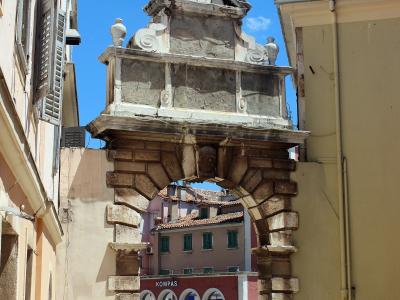
Main City Gate
Medieval Romanesque gate with Venetian heraldry
History & Heritage · Urban Exploration
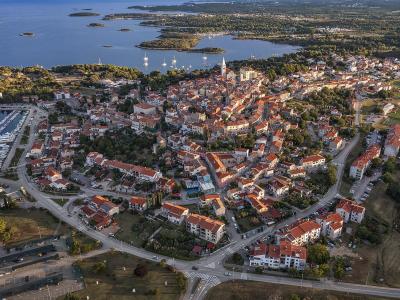
Bell Tower of Vrsar
Historic bell tower with panoramic sea views
Cultural Experiences · History & Heritage
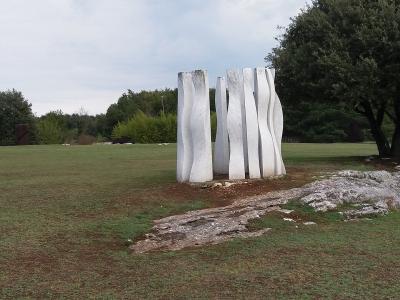
Dušan Džamonja Sculpture Park
Sculpture park blending metal art with nature
Cultural Experiences
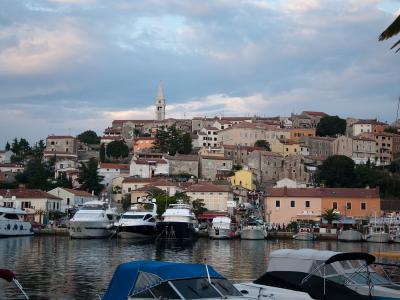
Vrsar Harbor
Harbor gateway to Vrsar Archipelago islands
Activities & Adventure · Coastal & Maritime
Questions people ask
Quick Facts
Best Time to Visit
Late June to early September offers warm weather, lively events, and ideal swimming; spring and autumn are quieter with pleasant temperatures for outdoor activities.