







- Where
- Split, Dalmatia
- Directions
- Directions
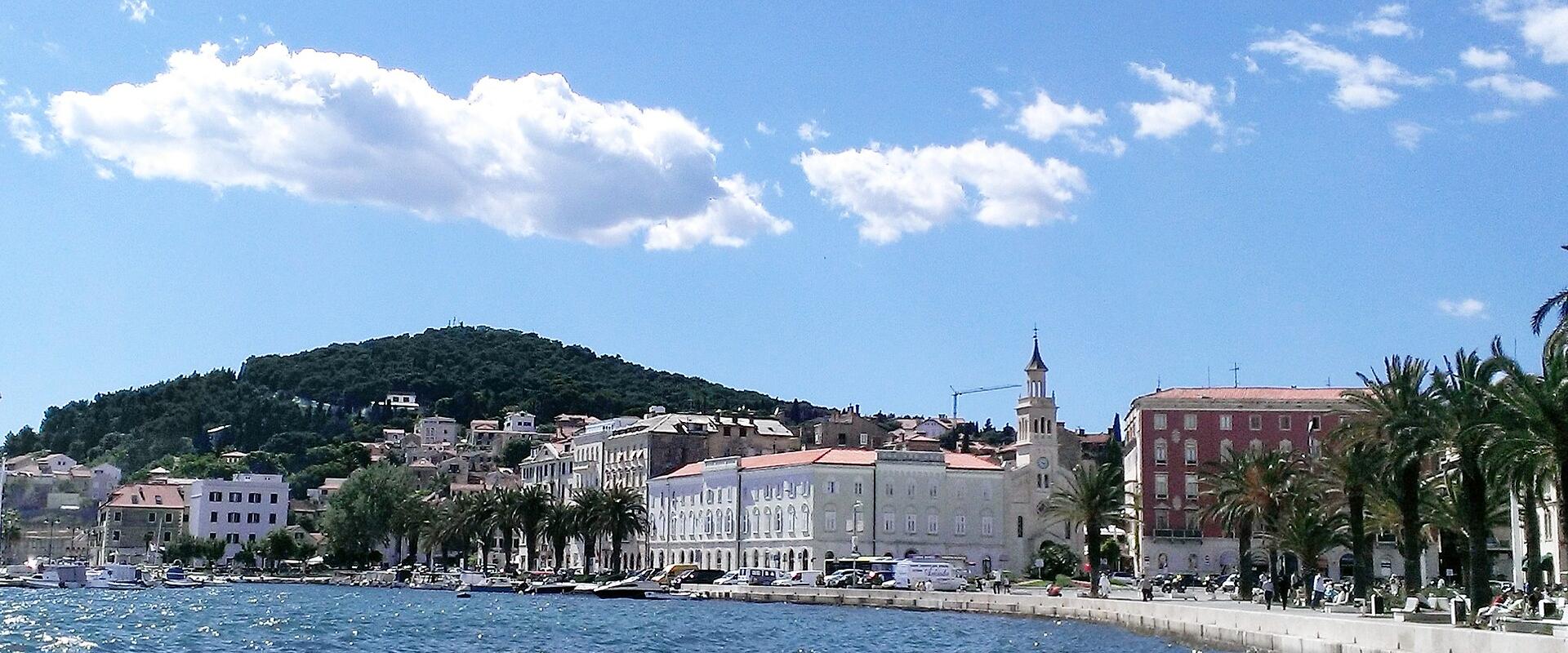
Marjan is the green hill that rises at the western edge of Split's old town, above the Adriatic Sea, a wooded peninsula of pine forest, rocky paths and quiet coves, and it is the city's favourite place to escape the crowds. The Marjan Hill Stairs are the traditional way up: a flight of stone steps that begins in the old Varoš district, just west of the Riva waterfront, and climbs in a few minutes to a lookout terrace high above the city. The climb is short but steep, and the reward is one of the best views in Split.
The stairs start among the narrow streets of Varoš, an old fishermen's quarter of small stone houses and cats, and rise through the first pines and cypress trees to the first terrace, where there is a café and a viewpoint. The steps number about three hundred, and it takes ten to fifteen minutes at a steady pace, with benches along the way for a rest. From the terrace the roofs of the old town spread below, with the bell tower of Diocletian's Palace rising among them, the harbour and ferries beyond, and the islands of Brač, Šolta and Čiovo on the horizon. The light is best in the early evening, when the stone turns gold, and many people climb up to watch the sunset.
The stairs are only the beginning. Beyond the terrace, paths lead on through the forest to the top of the hill, the Telegrin summit, at about 178 metres, and to chapels, small beaches and picnic spots. Marjan has been a retreat for centuries. Hermits once lived in caves and small chapels on its slopes, and several old churches, among them St. Nicholas and St. Jerome, can still be visited on the paths. Locals use the hill for jogging, cycling and swimming, and it is a green lung for the city. The Meštrović Gallery, devoted to the great sculptor Ivan Meštrović, stands at the foot of the hill.
Practical advice is simple. Wear comfortable shoes, because the steps can be worn and slippery, and bring water, especially in summer, when the climb is hot. The route is free and open at all times, though it is best to avoid it in the dark. The stairs are not suitable for wheelchairs or pushchairs, but a road leads up the hill for those who prefer to drive or take a taxi.
The climb is easy to combine with a visit to the old town, the Cathedral of St. Domnius and the Riva. It suits walkers, joggers, photographers and families. Evening is the most popular time, and early morning is the quietest.
Categories
More photos coming soon
Nearby Attractions
Other places to visit in Split
Diocletian's Palace
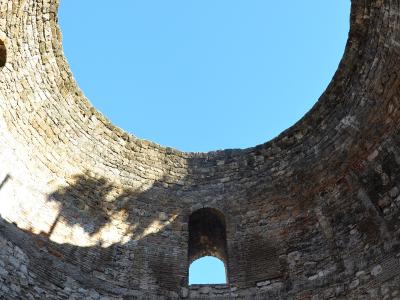
Ancient Roman palace and UNESCO site in Split
Cultural Experiences · History & Heritage

ATV Tour Near Split
ATV quad tours through Dalmatian canyons and rivers
Activities & Adventure
Bell Tower Of Saint Domnius
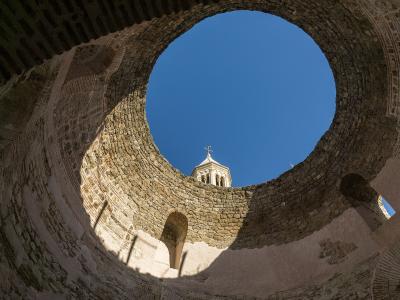
60m Romanesque bell tower in UNESCO site
Cultural Experiences · History & Heritage
Cathedral Treasury Split (Cybele Temple)
UNESCO site housing Roman and Baroque art
Cultural Experiences · History & Heritage
Questions people ask
Quick Facts
Best Time to Visit
May to June and September to October offer warm weather, fewer crowds, and ideal conditions for sightseeing, beaches, and exploring Split’s vibrant old town.