







Memorijalno Groblje Vukovar
Memorial cemetery honoring 1991 Croatian war victims
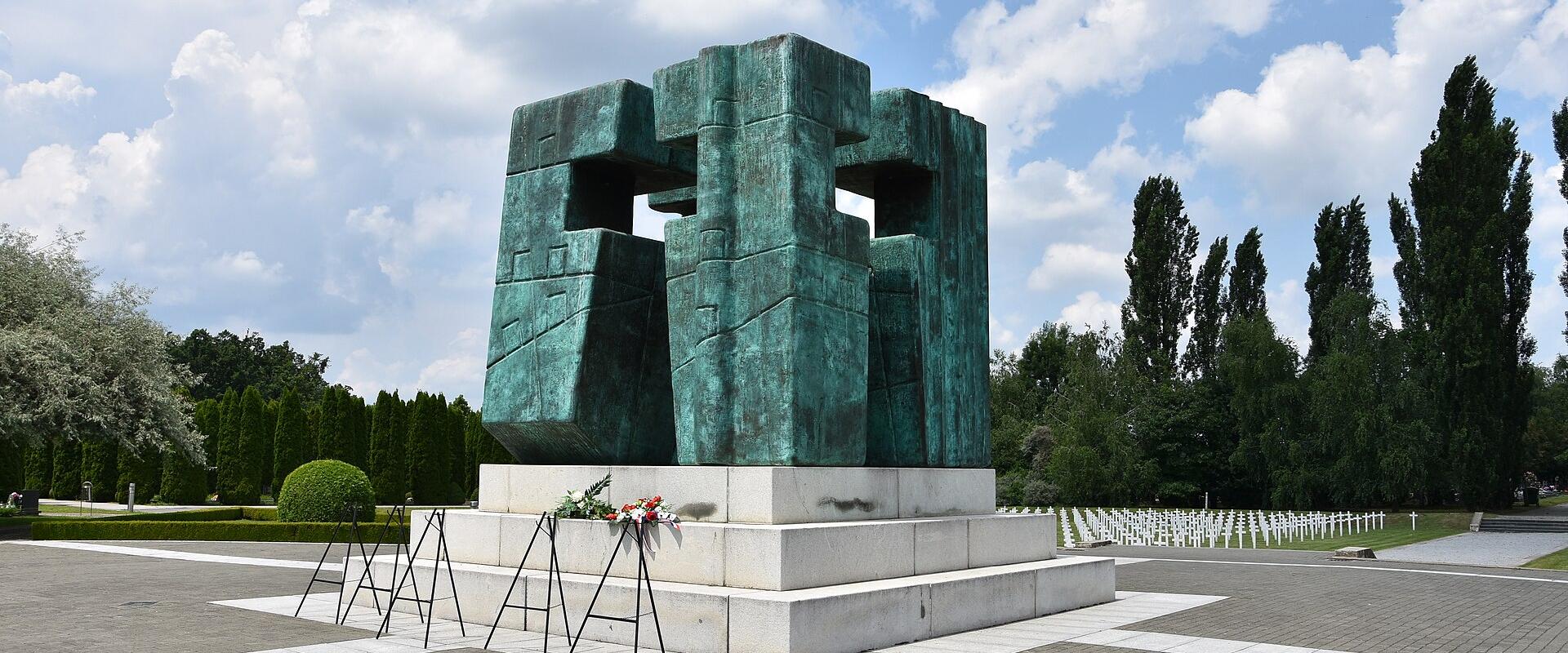
The Memorial Cemetery in Vukovar, known in Croatian as Memorijalno groblje, is the burial place of people who died during the siege of Vukovar in 1991 and in other fighting of the Croatian War of Independence. It lies on the edge of the city, on the road toward Negoslavci, and it was laid out as a national memorial soon after the war. The graves are arranged in orderly rows, each marked with a simple white cross or stone, and from a distance the field gives an immediate sense of scale. The dates October and November 1991 appear again and again on the markers, and they mark the weeks when the city was under constant bombardment and finally fell.
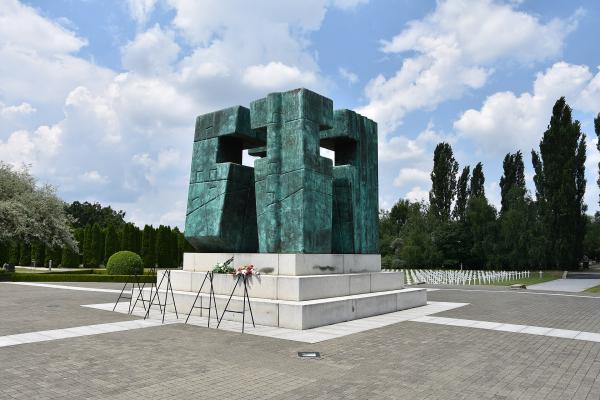
The siege of Vukovar lasted 87 days, from late August until 18 November 1991, and it became a symbol of Croatian resistance. The city, located on the Danube, was heavily destroyed, and thousands of its residents were killed, wounded or forced to leave. The cemetery holds hundreds of graves, among them many defenders, civilians and victims who were identified after exhumations in the years that followed. Visitors will often find fresh candles and flowers, and families come regularly to pay respects. A central monument and a cross give the site a focus, and the space is open, quiet and carefully kept.
A visit here is a sober experience, and it is best approached with respect. Speak quietly, avoid photographing mourners, dress modestly and stay on the paths between the rows. Most people spend less than an hour, reading the inscriptions and taking in the atmosphere. There is little formal infrastructure, so it is useful to visit as part of a wider tour of the city's memorial sites, which can help to explain the history in more detail.
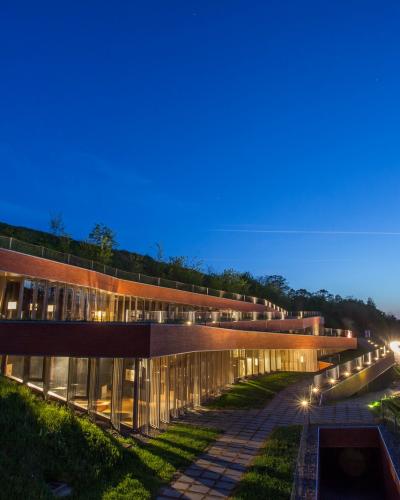
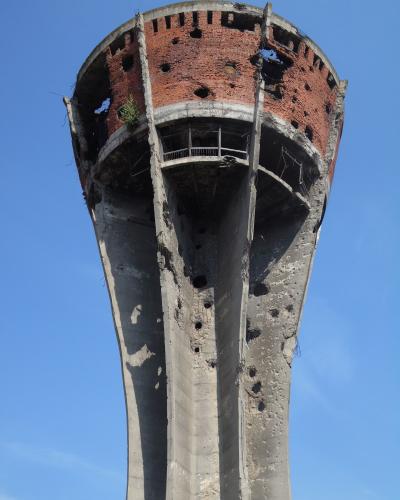
The cemetery fits naturally with other places in Vukovar that tell the story of the war and of the city's recovery. The Vukovar Water Tower, hit by shelling and now preserved as a symbol of the city, stands above the Danube, and the Vučedol Culture Museum, a few kilometres away, shows a very different, prehistoric layer of the area's past. Together these give a balanced picture of a city that is both scarred and resilient.
The cemetery is for people interested in modern history, those who want to understand what happened in 1991, and anyone looking for a place of quiet reflection. It is reached by car or taxi from the centre in a few minutes. Check locally for any current visiting guidance.
Categories
More photos coming soon
Nearby Attractions
Other places to visit in Vukovar
Frequently Asked Questions
Quick Facts
Best Time to Visit
May to September offers warm weather, vibrant riverfront, and ideal conditions for sightseeing; spring and early autumn are pleasant with fewer crowds.