







Vukovar Water Tower
Symbol of Vukovar’s resilience and history
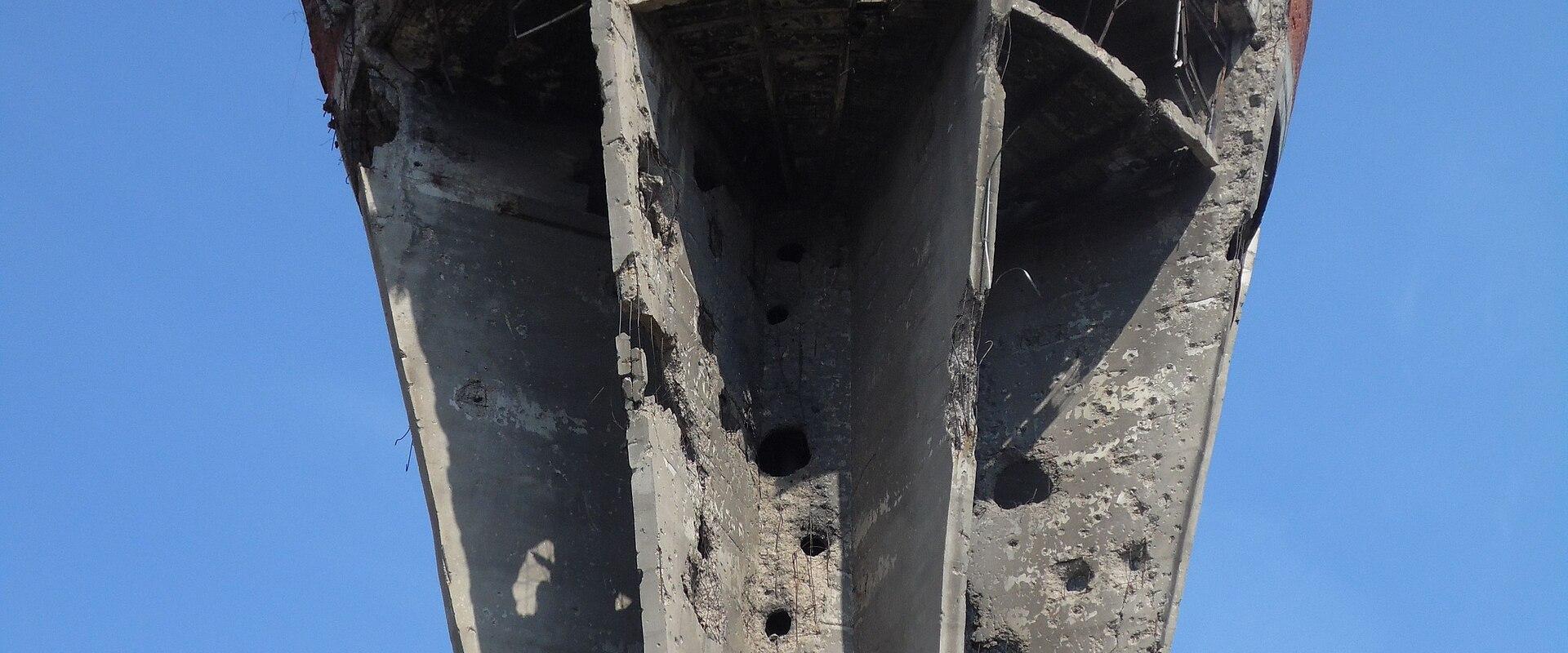
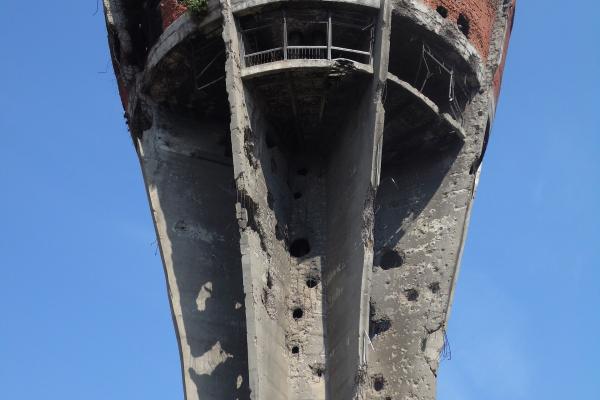
The Vukovar Water Tower is the most recognisable symbol of Vukovar, the city on the Danube in eastern Croatia, and it carries the memory of the siege of 1991 more visibly than any other building. It was built in the late 1960s to supply the city with water, and it rises about fifty metres above the surrounding area, a tall concrete shaft topped with a wide, bulb-shaped tank. For decades it was a plain utility structure, part of the skyline like any other. During the Battle of Vukovar in the autumn of 1991, however, it became a target and a landmark. It was struck by hundreds of shells and was badly damaged, yet it did not collapse, and its torn, pitted form came to stand for the endurance of the city and its people.
After the war, the question was whether to repair the tower or to preserve it as it was. The decision was to keep the scars. The shell holes and the damage to the concrete were left visible, and the tower was restored structurally so that it could be opened to visitors. It was reopened in 2020 as a memorial, and it has become one of the main places in Croatia for remembrance of the Homeland War. Inside, an exhibition tells the story of the siege and of the people who lived through it, and a viewing platform at the top gives a wide view over the city, the Danube, the fields and vineyards of the surrounding countryside and, on a clear day, the plains across the border. The tower is a member of the World Federation of Great Towers, which reflects its international profile.
The experience is moving as well as scenic. Climbing or riding to the viewing level, visitors pass displays and photographs that explain the events of 1991, and the exterior damage is clearly visible from the base. The setting is a city park, and the area around the tower is calm, with lawns and paths. It is a place to take time, and many people go in silence. Opening hours and ticket prices can change with the season, so it is wise to check before visiting, and groups often join guided tours that connect the tower with other sites.
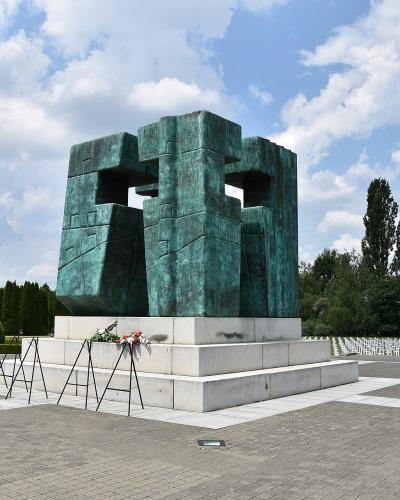
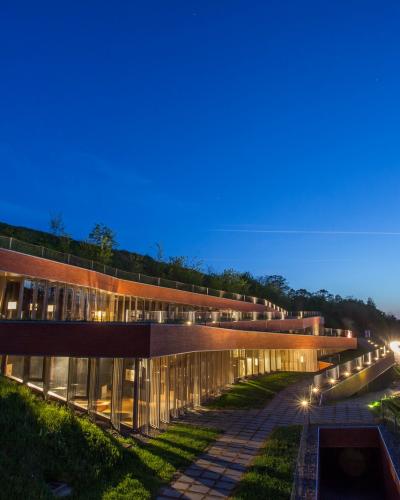
The tower fits into a broader visit to Vukovar. The Memorial Cemetery of the victims of the war, the Ovčara memorial and the rebuilt old town with its Baroque buildings tell the story of the city's suffering and recovery, while the Vučedol Culture Museum, a few kilometres downstream, presents a much older, prehistoric culture. The riverside promenade along the Danube is a good place for a walk afterwards.
The tower suits anyone interested in modern history and in the way communities remember. Treat it with respect, allow an hour or more, and combine it with the memorial cemetery.
Categories
More photos coming soon
Frequently Asked Questions
Quick Facts
Best Time to Visit
May to September offers warm weather, vibrant riverfront, and ideal conditions for sightseeing; spring and early autumn are pleasant with fewer crowds.