







- Where
- Vukovar, Slavonia
- Directions
- Directions
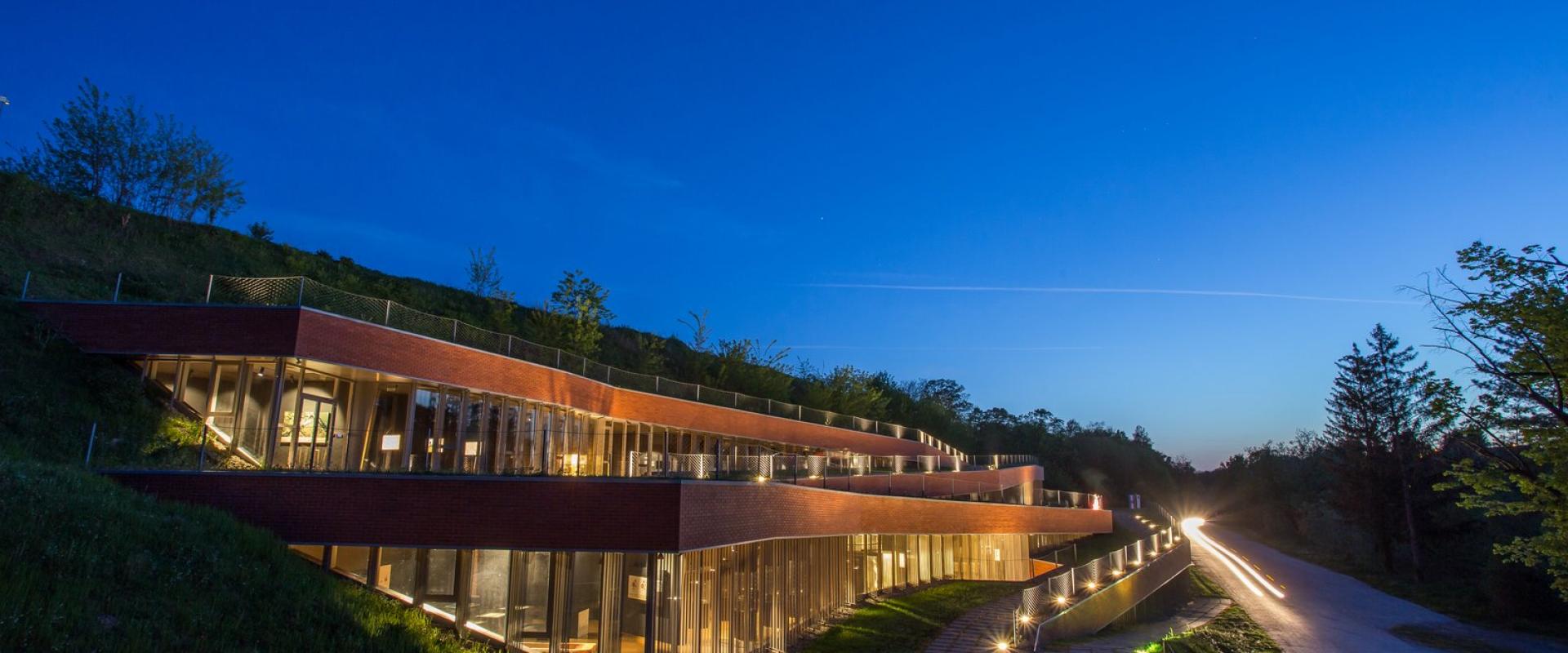
The Vučedol Culture Museum stands on the site of one of the most important prehistoric settlements in Europe, a landmark of European archaeology, on a bluff above the Danube a few kilometres downstream from Vukovar, in eastern Croatia. It tells the story of the Vučedol culture, a society of the Eneolithic or Copper Age that flourished in this region around 3000 BC and left a distinctive mark on the archaeology of Central Europe and the Balkans.
The Vučedol people lived at a crossroads. Their settlement on the high riverbank overlooked the Danube, one of the great natural routes of Europe, and their culture spread across the Pannonian plain and beyond. They were farmers and herders, but also skilled potters and metalworkers, among the earliest in the region to work copper, and the museum presents evidence of a foundry where metal was smelted and cast. Their pottery is among the most beautiful of prehistoric Europe, decorated with intricate, geometric patterns in incised lines filled with white paste, and the best-known object is the Vučedol Dove, a ceramic vessel in the shape of a bird that has become a symbol of the culture and of the museum.
Inside, the exhibits are arranged to bring everyday life and belief to life. Visitors see reconstructions of houses and workplaces, models of the settlement and displays of tools, ornaments and weapons, together with explanations of how the people lived, farmed and traded. A highlight is the presentation of a calendar based on observations of the sky, particularly the winter sky, which suggests that the community followed astronomical cycles and probably linked them with ritual. The museum also shows evidence of early innovations, such as new types of dwelling and advances in metallurgy, and reconstructs a house that has been described as an early example of its type in the Indo-European world.
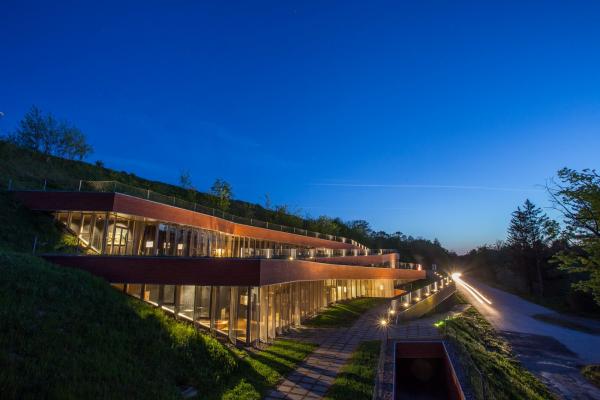
Information is given in Croatian and English. The modern building is designed to blend with the landscape, and it is accessible to wheelchairs and pushchairs, Outside, there are walking paths and reconstructed structures that let you see the layout of the site, so allow time for a walk. Most visits take one to two hours. The museum is generally open from Tuesday to Sunday and closed on Mondays and public holidays, but check opening times and ticket prices before you go. Guided tours are available, and their quality can vary, so ask about the language and content in advance.
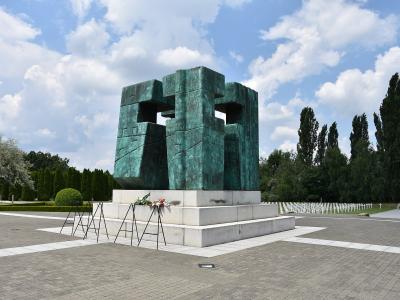
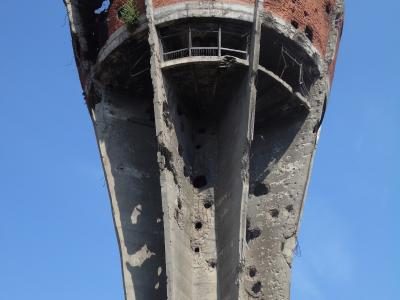
Vukovar itself is a city with a heavy recent history, and many visitors combine the museum with a visit to the Water Tower, a symbol of the siege of 1991, and the Memorial Cemetery. The two experiences give a long perspective on Europe’s past in a region with a very old and very recent past. The museum suits curious visitors, families with older children and anyone interested in archaeology and the deep history of Europe.
Categories
More photos coming soon
Questions people ask
Quick Facts
Best Time to Visit
May to September offers warm weather, vibrant riverfront, and ideal conditions for sightseeing; spring and early autumn are pleasant with fewer crowds.