







- Where
- Rovinj, Istria
- Directions
- Directions
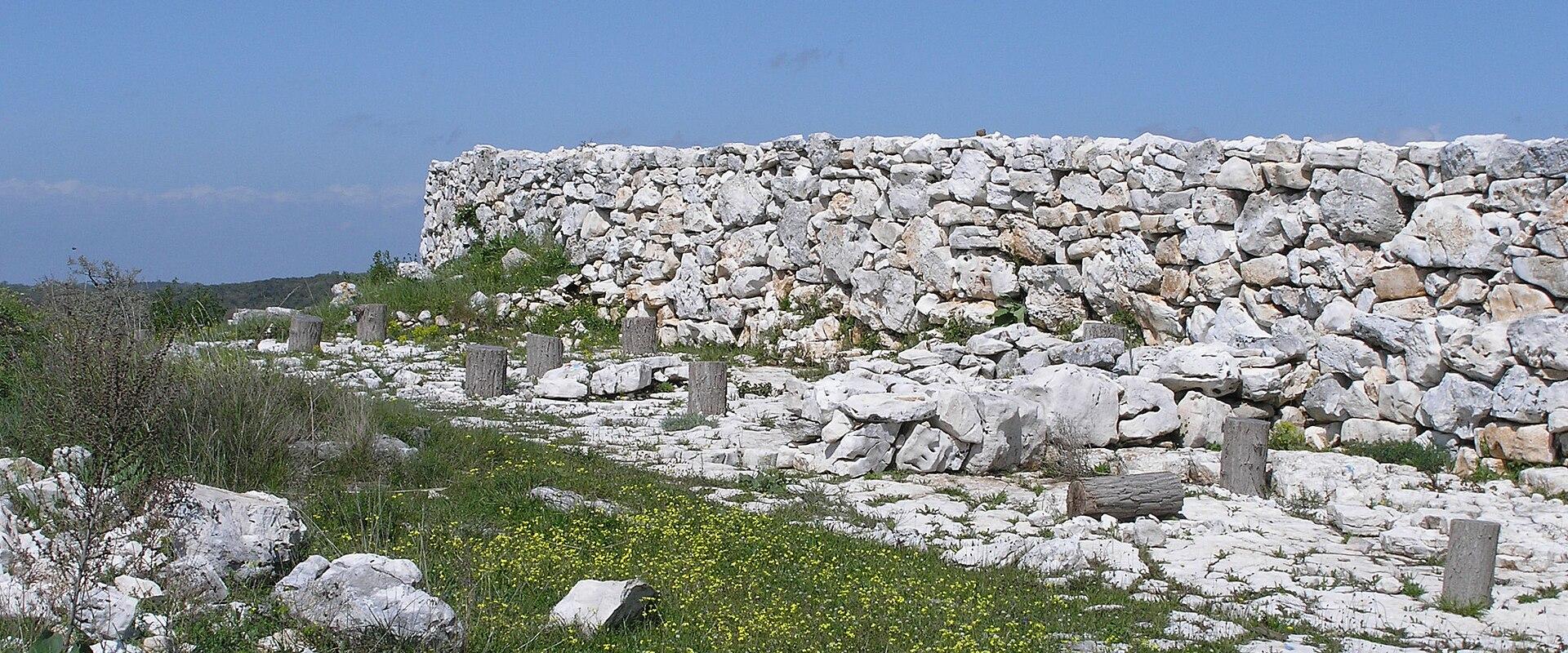
Monkodonja is a Bronze Age hillfort on a low hill about five kilometres south-east of Rovinj, in western Istria, and it is among the best-preserved prehistoric settlements in the region. It belongs to a group of fortified hilltop settlements that are typical of the peninsula, known in Croatian as gradine and in Italian as castellieri. They were built by the people who lived in Istria long before the arrival of the Romans, and who are known collectively as the Histri. Monkodonja is the largest and most important of the type that has been excavated, and visiting it is a way to see how people lived in this landscape nearly four thousand years ago.
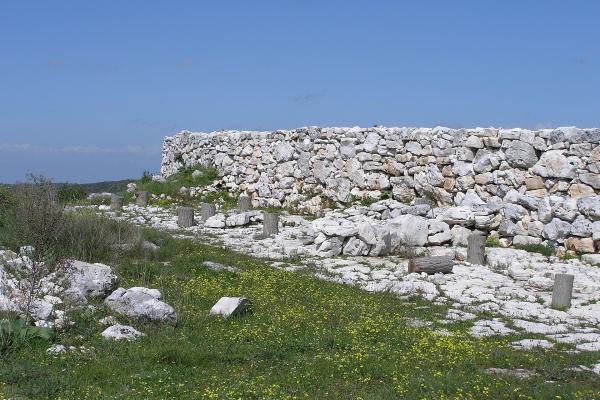
The settlement flourished in the second millennium before the common era, with its main period of use placed between about 1800 and 1200 years before the start of the era, in the middle and late Bronze Age. Archaeologists, working over many seasons, uncovered a complex layout. A central upper area, which scholars call the acropolis, was surrounded by massive dry-stone walls built without mortar, and below it, a lower terrace and another set of walls enclosed a larger area where the houses and workshops stood. The walls survive to a height of a metre or more in places, and sections have been partly reconstructed to show how they were built. Entrances, paved areas and the foundations of rectangular houses can be recognised, and finds, such as pottery, tools and ornaments, tell of farming, herding and metalworking.
Visiting is simple. A path leads from a small car park up the hill, and information boards along the route explain the history and the features of the site, so you can follow the layout without a guide. The terrain is uneven, with loose stones and some steep sections, so wear sturdy shoes, and bring water and a hat, as there is little shade among the scrub and oak woodland. The hilltop gives wide views over the surrounding countryside, with the sea and the islands off Rovinj visible in clear weather, which makes it a good place for photography, and the peace and the absence of crowds add to the appeal.
Nearby, burial mounds in the area called Mušeg have also been investigated, and finds from the graves include ornaments such as beads and bronze jewellery, which reveal how the community treated its dead. Objects excavated at the sites are held in museums in the region, notably in Pula and Rovinj, so a visit to a museum helps to fill out the picture.
There is no admission fee, and the site can be visited at any time of day, though early morning and late afternoon are most pleasant. Allow an hour. The site suits history and archaeology enthusiasts, walkers and families with children who enjoy exploring, and it is easy to combine with a day in Rovinj.
Categories
More photos coming soon
Nearby Attractions
Other places to visit in Rovinj
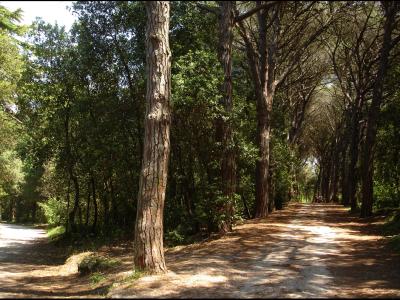
Punta Corrente (Golden Cape) Park
Protected forest park with diverse native flora
Activities & Adventure · Coastal & Maritime
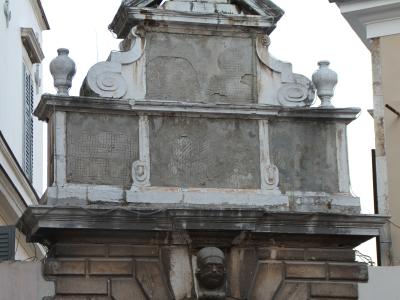
Balbi's Arch
17th-century Venetian arch marking Rovinj’s old town entr...
Free History & Heritage · Urban Exploration
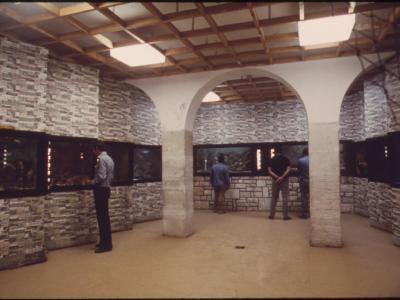
Rovinj Aquarium
Adriatic marine life showcased in coastal Rovinj
Coastal & Maritime · Cultural Experiences
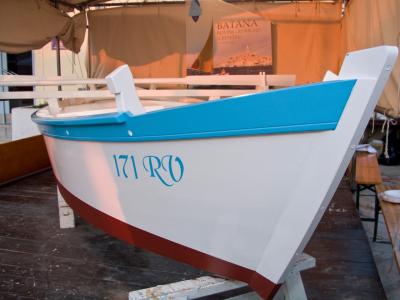
Batana Eco-Museum
Traditional wooden boats and maritime heritage
Cultural Experiences · Natural Wonders
Questions people ask
Quick Facts
Best Time to Visit
April to September offers warm weather, lively festivals, and ideal conditions for sightseeing, beaches, and exploring Rovinj’s old town and islands.