







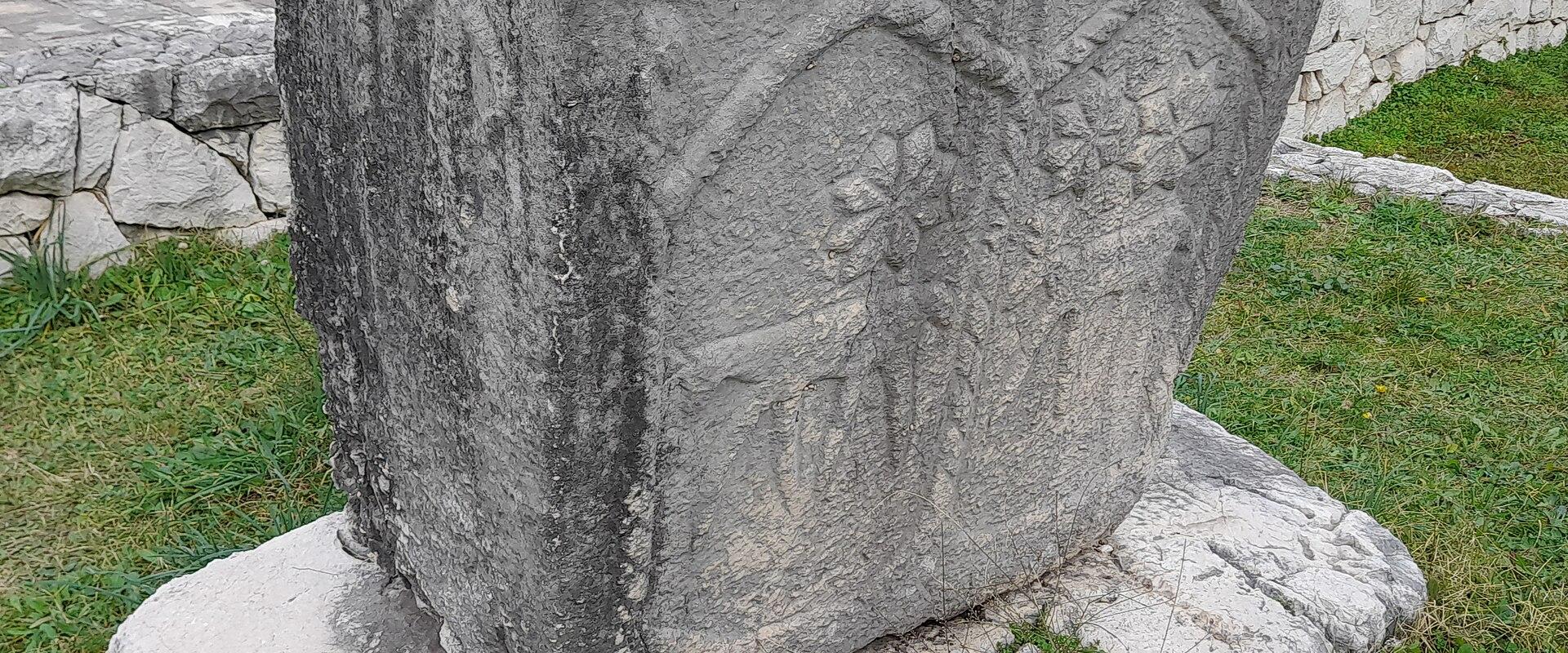
Museum of Croatian Archaeological Monuments
Split museum of Croatian archaeological monuments
The Museum of Croatian Archaeological Monuments in Split is devoted to the material culture of the early medieval Croats, the period roughly between the arrival of the Slavs on the Adriatic coast and the end of the Middle Ages. It was founded in the 1890s in Knin, an inland town of great importance to the early Croatian rulers, and later moved to Split, where it grew into the main national collection of its kind. It sits on the quieter western side of the city, on the seaward slope beneath Marjan Hill, close to Galerija Meštrović, so the two can easily share one afternoon.
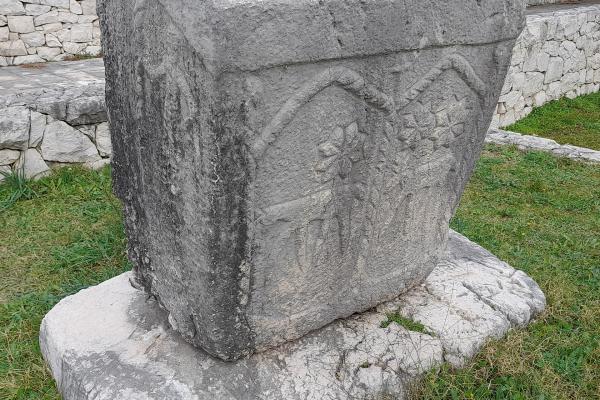
The collection is built mostly from stone. Early churches along the Dalmatian coast and hinterland were furnished with carved altar screens, pulpits, window frames and baptismal fonts, and many of these survive only as fragments that have been gathered here. The decoration is typical of the period: braided or interlaced ribbon patterns, simple vine motifs and stylised animals. Inscriptions in Latin record the names of rulers, priests and donors and are among the few written records of the early Croatian state, which makes the stone itself a historical document.
Beyond the stonework, the museum displays objects from graves and settlements, including weapons, spurs, jewellery, belt fittings and everyday tools. Together they give a picture of how people dressed, fought and traded, and how Byzantine, Frankish and Slavic influences met along this coast. Models, plans and photographs of excavated churches help put the isolated pieces back into a landscape.
The museum suits readers with a taste for archaeology and the origins of Croatian identity, rather than visitors looking for spectacle. Labels and displays are modest, so a little background reading on the early medieval period improves the visit considerably. It is a good counterweight to the Roman focus of Diocletian's Palace, since it shows what happened on this coast after the Roman world had faded and a new society was forming.
A visit takes about an hour for a thorough look. Combine it with a stroll along the shoreline path and the shaded paths of Marjan Hill, or continue to Galerija Meštrović for a very different kind of Croatian heritage, the sculpture of Ivan Meštrović.
Categories
More photos coming soon
Nearby Attractions
Other places to visit in Split

Frequently Asked Questions
Quick Facts
Best Time to Visit
May to June and September to October offer warm weather, fewer crowds, and ideal conditions for sightseeing, beaches, and exploring Split’s vibrant old town.