







- Where
- Trogir, Dalmatia
- Directions
- Directions
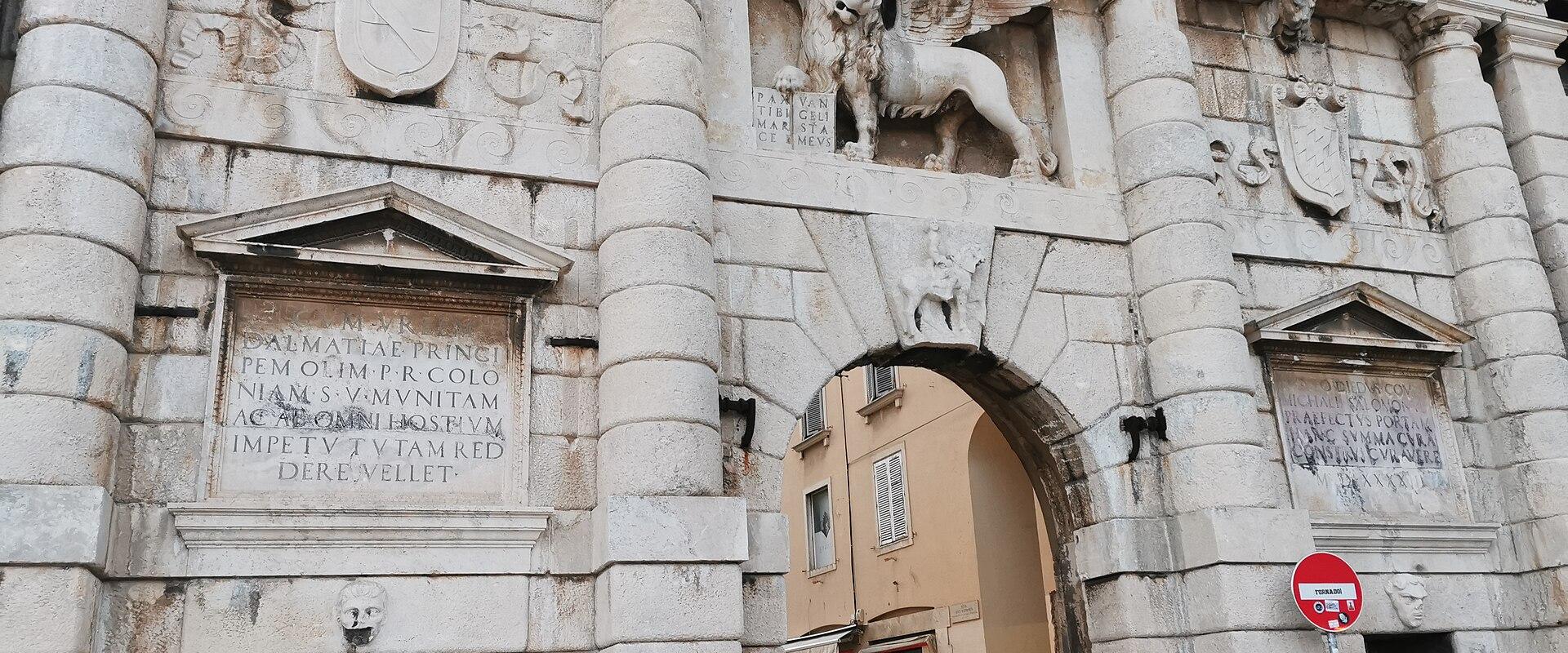
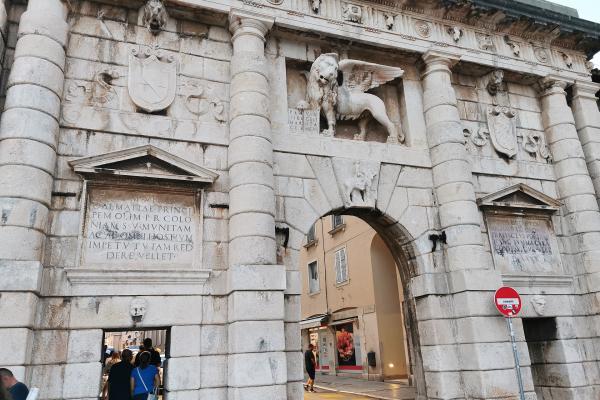
The North Gate, also called the Land Gate (Sjeverna Gradska Vrata), is the main entrance to the old town of Trogir, the small walled city on an island in central Dalmatia, in Croatia, and it welcomes visitors who arrive on foot from the mainland. Trogir is a UNESCO-listed World Heritage Site, and this gate is the first of the many monuments that fill its compact historic core of Romanesque-Gothic character, so it is the natural place to begin a visit.
The geography explains the gate. Trogir sits on a tiny island between the mainland and the larger island of Čiovo, joined to each by a bridge, and the walls that once surrounded the whole town had gates on the sides facing the land and the sea. The North Gate controls the northern approach, over a bridge from the mainland, and for centuries everything and everyone that came to Trogir from the interior passed through it. In the period when Trogir was part of the Venetian Republic, the gate was a fortified entrance with a drawbridge and a guarded passage, and it was rebuilt and strengthened as the threat from the Ottomans grew. Its robust stone archway reflects this defensive purpose, and the details around it show the influence of different periods.
Atop the arch stands a statue, said to be Gothic, of Blessed John of Trogir, the city’s patron saint, a bishop of the twelfth century who is remembered for his charity and his role in the life of the town. The statue looks down on everyone who passes underneath, and tradition holds that he blesses those who enter. It gives the gate a human, protective character that is a pleasing contrast to its thick walls. Local people still honour the saint, and his feast day in November is an important occasion in the town.
Accessible at all hours, the gate leads into Trogir’s Old Town. Passing through it, visitors move from the busy road and bridge into a world of narrow lanes, small squares and stone houses. The scale changes at once, from traffic to pedestrians, and the buildings press close on either side. The way leads to the main square, where the Cathedral of St. Lawrence, with its remarkable Romanesque portal, stands beside the Town Loggia and the clock tower of St. Sebastian’s Church. The Cipiko Palace, the St. Dominic Monastery and the Kamerlengo Fortress by the harbour are all within a few minutes, and the Riva promenade along the waterfront is a pleasant place to end a walk.
The gate is open at all hours and free to pass through. It is a good place to take photographs early in the morning, before tour groups arrive, and again in the evening when the stone is lit. It suits history and architecture lovers and anyone who wants to start a day in Trogir at the right place.
Categories
More photos coming soon
Nearby Attractions
Other places to visit in Trogir
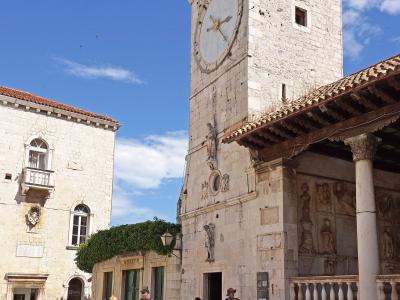
St. Sebastian’s Church and Clock Tower
15th-century plague vow church with clock tower
History & Heritage · Urban Exploration
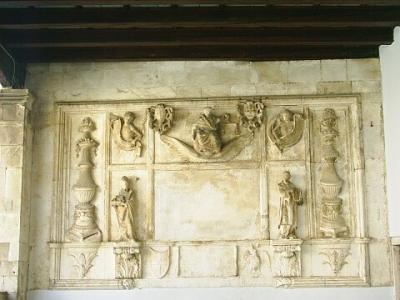
Town Loggia
Historic Loggia featuring Petar Berislavic relief
Cultural Experiences
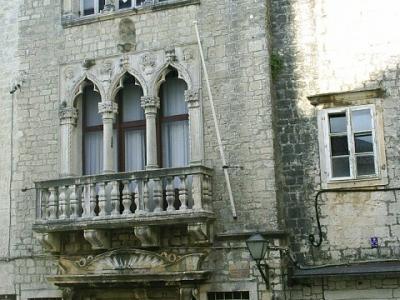
Cipiko Palace
13th-century palace with Gothic-Renaissance blend
History & Heritage · Castles
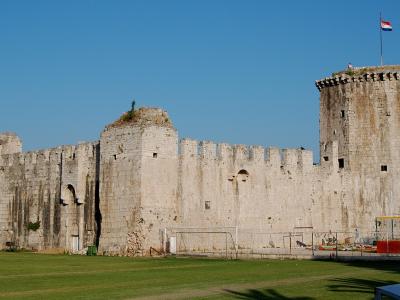
Kamerlengo Fortress
15th-century Venetian fortress with coastal views
History & Heritage · Castles
Questions people ask
Quick Facts
Best Time to Visit
Late June to late August offers hot weather, warm sea, and lively events; May, June, and September are quieter with pleasant temperatures for sightseeing.