







- Where
- Trogir, Dalmatia
- Directions
- Directions
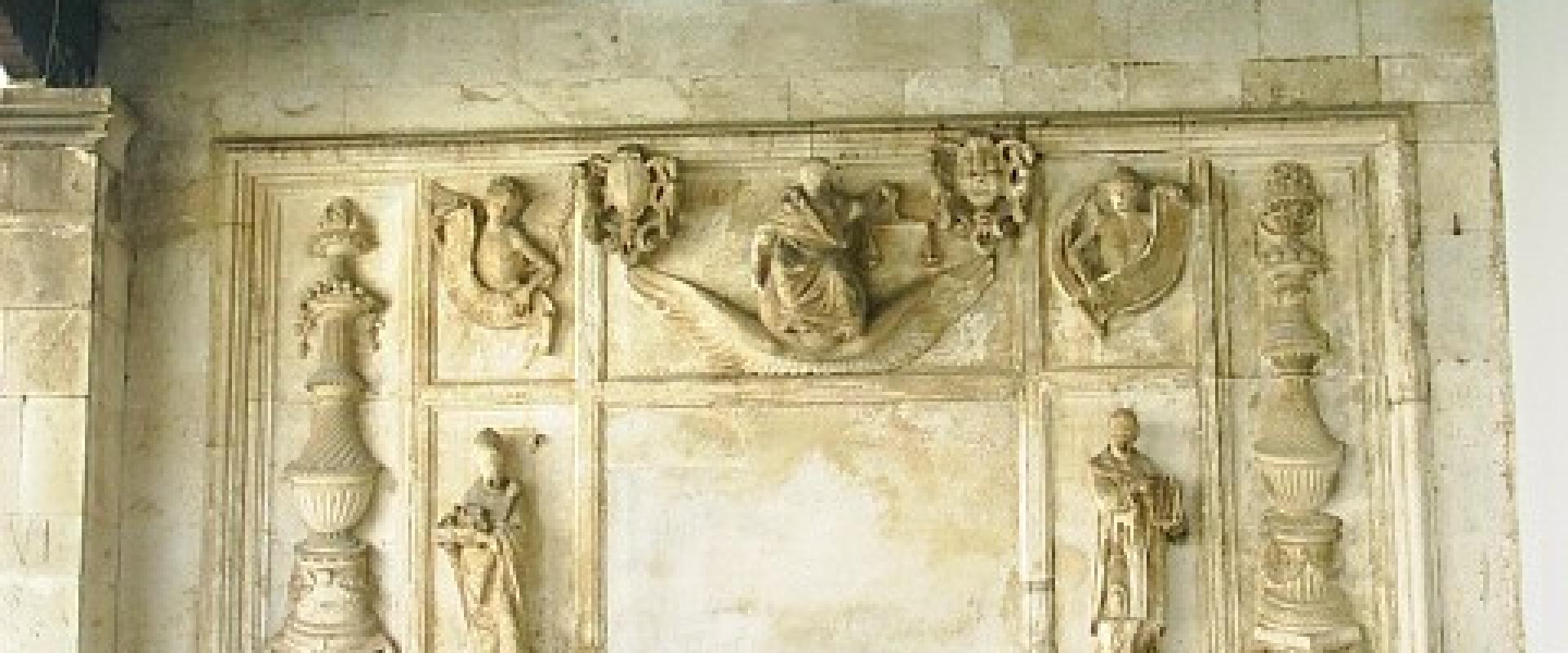
The Town Loggia is one of the civic landmarks of Trogir, the small island town on the Dalmatian coast whose old centre has been on the UNESCO World Heritage List since 1997. It stands on the main square, a few steps from the Cathedral of St. Lawrence and the Town Hall, and for centuries it was the place where the community conducted its public business. A loggia is an open-sided hall, usually with arches or columns on one or more sides, and in the Venetian-ruled towns of the Adriatic it served as a meeting place, a courtroom and a platform for announcements. In Trogir, judges sat here to hear cases, officials read out decrees and citizens gathered to discuss events and hear news, so the structure was at the centre of everyday political and legal life.
The architecture is elegant and restrained. Slim columns carry rounded arches, and a stone bench ran along the inner walls, where judges and councillors would sit. The proportions show the influence of Venetian Gothic and Renaissance taste, which shaped much of Trogir's cityscape after the town came under Venice in the early 15th century. The stone is the pale local limestone, which glows warmly in the afternoon sun and gives the whole square a unified character. Trogir is often described as one of the best-preserved medieval towns in Central Europe, and the loggia forms an important part of that ensemble.
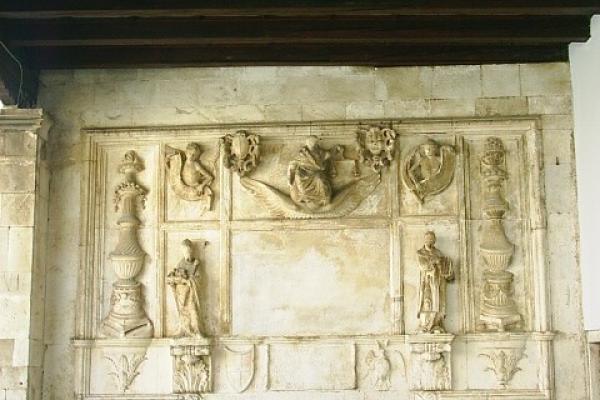
The building is decorated with relief sculpture. Among the best-known elements is a relief of Petar Berislavić, the Croatian ban and military commander who came from Trogir and fought the Ottomans in the early 16th century, which adorns one of the walls. His portrait links the loggia to the town's role in the defence of the region and to the wider history of Croatia. Details such as coats of arms and carved inscriptions reward a slow look, and a guide can explain the symbols and their meaning.
The loggia is easy to include in a walk through the old town. The Cipiko Palace, a fine Gothic house, the Kamerlengo Fortress at the western end of the island, the North Gate, the St. Dominic Monastery and the Church and Clock Tower of St. Sebastian are all within a few minutes on foot, and the waterfront Riva is lined with cafés. The narrow, shaded lanes between them are full of small shops and restaurants, so it is pleasant to walk without a plan.
There is no entrance fee, and the loggia is part of the open square, so it can be admired at any time. It suits history and architecture enthusiasts and anyone who enjoys the atmosphere of a Mediterranean town. Visit early in the morning or in the evening to avoid the crowds of summer.
Categories
More photos coming soon
Nearby Attractions
Other places to visit in Trogir
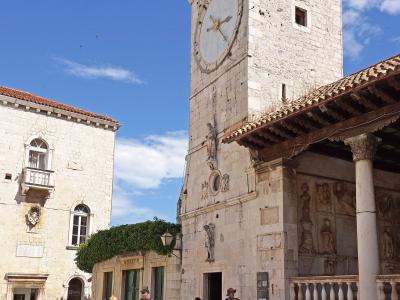
St. Sebastian’s Church and Clock Tower
15th-century plague vow church with clock tower
History & Heritage · Urban Exploration
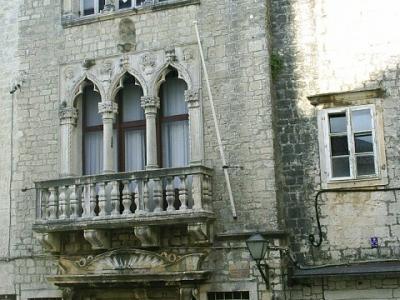
Cipiko Palace
13th-century palace with Gothic-Renaissance blend
History & Heritage · Castles
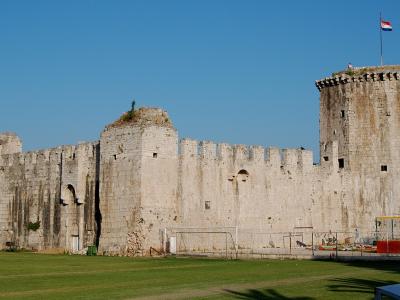
Kamerlengo Fortress
15th-century Venetian fortress with coastal views
History & Heritage · Castles
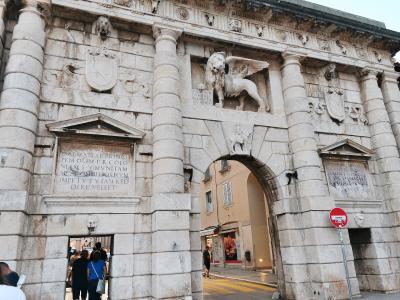
North Gate (Land Gate)
15th-century North Gate with Gothic saint statue
History & Heritage · City Walls
Questions people ask
Quick Facts
Best Time to Visit
Late June to late August offers hot weather, warm sea, and lively events; May, June, and September are quieter with pleasant temperatures for sightseeing.