







Olive Gardens of Lun
Ancient olive groves over 1600 years old
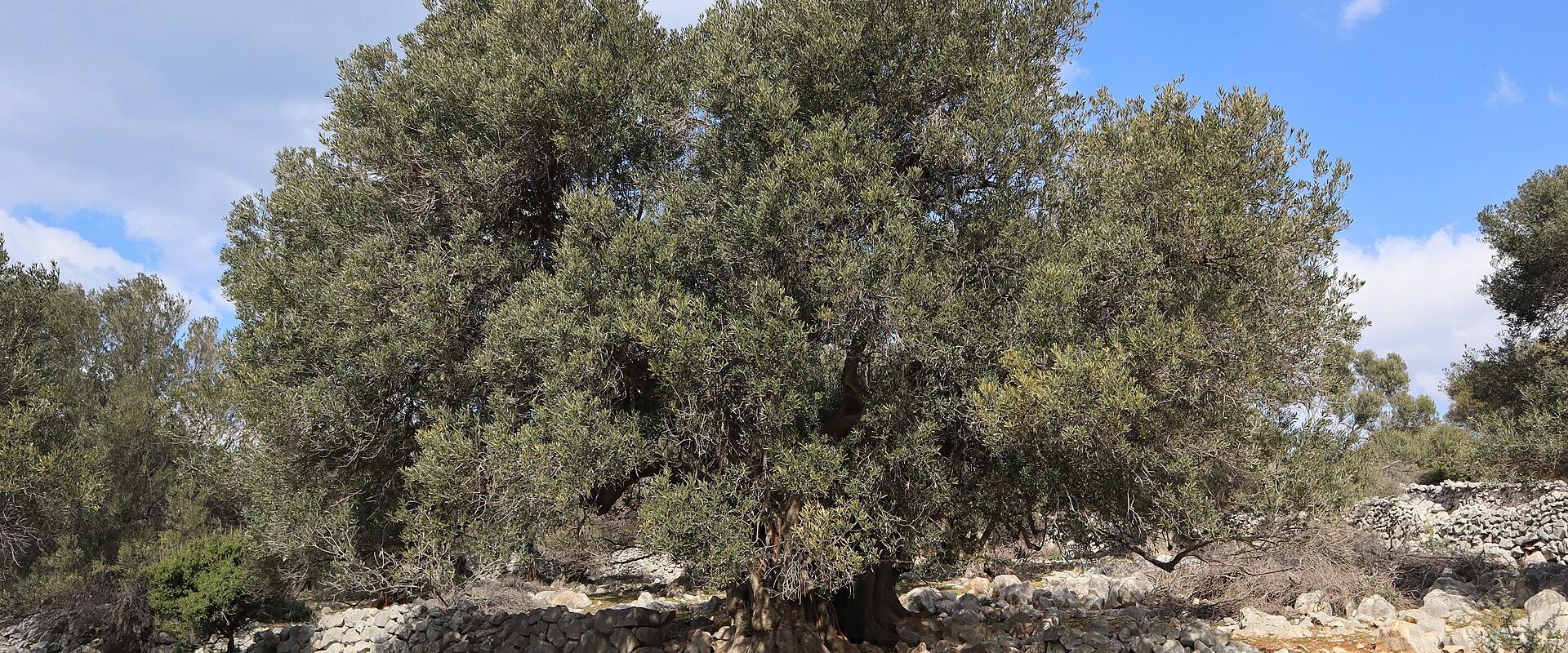
The Olive Gardens of Lun lie on the northern tip of Pag Island, in Croatia, around the village of Lun, and they are home to one of the oldest and most remarkable olive groves in the Mediterranean. Thousands of trees grow here on a rocky peninsula, and many of them are extremely old, with some estimated at more than 1,600 years of age and a few said to be older still.
The trees are unusual for another reason. A large proportion are wild olives, the ancestors of the cultivated varieties, which have grown without grafting and which show remarkable variety in the shape of the trunk and the size and flavour of the fruit. Over centuries, local people have gathered the olives, and the trees have been tended rather than planted, so that the grove is a mix of wild growth and human care. The groves have been protected because of their botanical and landscape importance, and they form a landscape that is unlike the neat terraces of cultivated olive orchards.
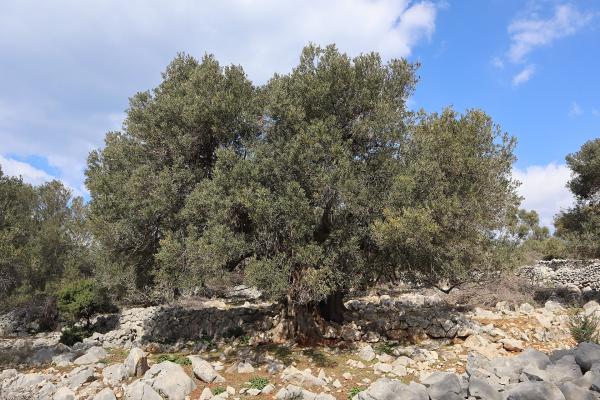
Walking among the trees is an extraordinary experience. The trunks are thick, twisted and hollow, sometimes split into several stems or knotted like rope, and they have shapes that suggest faces, animals and strange sculptures. Silvery leaves trembling in the wind give the garden a shimmering light. The ground is rocky and dry, crossed by traditional dry-stone walls that divide the land into plots and offer shelter from the wind, the strong bura that sweeps across Pag in winter and has shaped everything on the island. The atmosphere is serene, with only wind, birdsong and the faint sound of the sea. It is easy to understand why the olive has been a symbol of peace, longevity and strength in the Mediterranean world for thousands of years.
Visitors can join guided tours to learn about the history of the grove, the biology of the trees, the way olives are harvested and the production of Lun’s olive oil, the island’s speciality, which is prized for its rich, slightly bitter flavour. The oil here has a reputation for quality, and tasting sessions give a chance to compare it with other oils. Souvenirs and refreshments are available, so it is easy to take a bottle home. Times and prices for tours and tastings are not widely published, so contact the operators in advance or ask in the village.
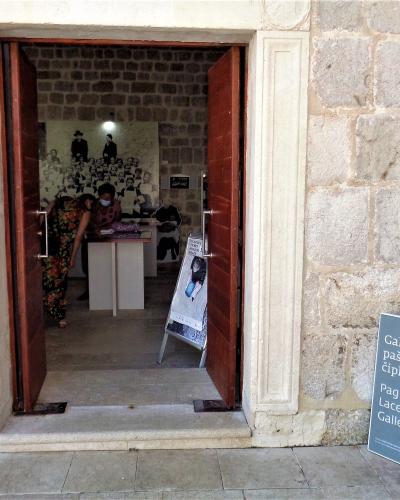
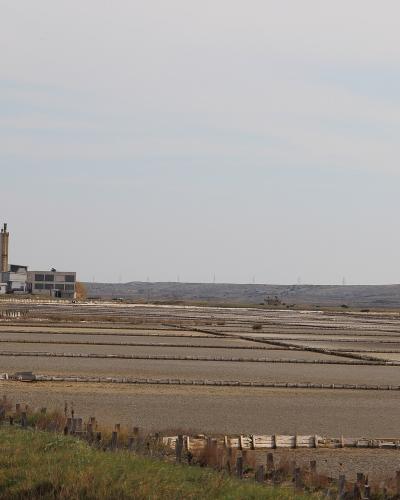
Lun is a small, quiet place far from the busy resorts of southern Pag, and the road to it passes through a bare, stony landscape that gives the green of the grove a dramatic contrast. Other places on the island include the Ducal Palace in Pag Town, the Pag Lace Gallery, the Pag Saltworks and the beaches of Simuni and Dinjiška Bay. The grove suits nature lovers, photographers and food lovers, and spring and autumn are the best seasons, when the light is soft.
Categories
More photos coming soon
Nearby Attractions
Other places to visit in Pag Island

Frequently Asked Questions
Quick Facts
Best Time to Visit
June to August offers hot weather, warm sea, and lively nightlife; May, June, and September are quieter with pleasant temperatures for beaches and outdoor activities.