







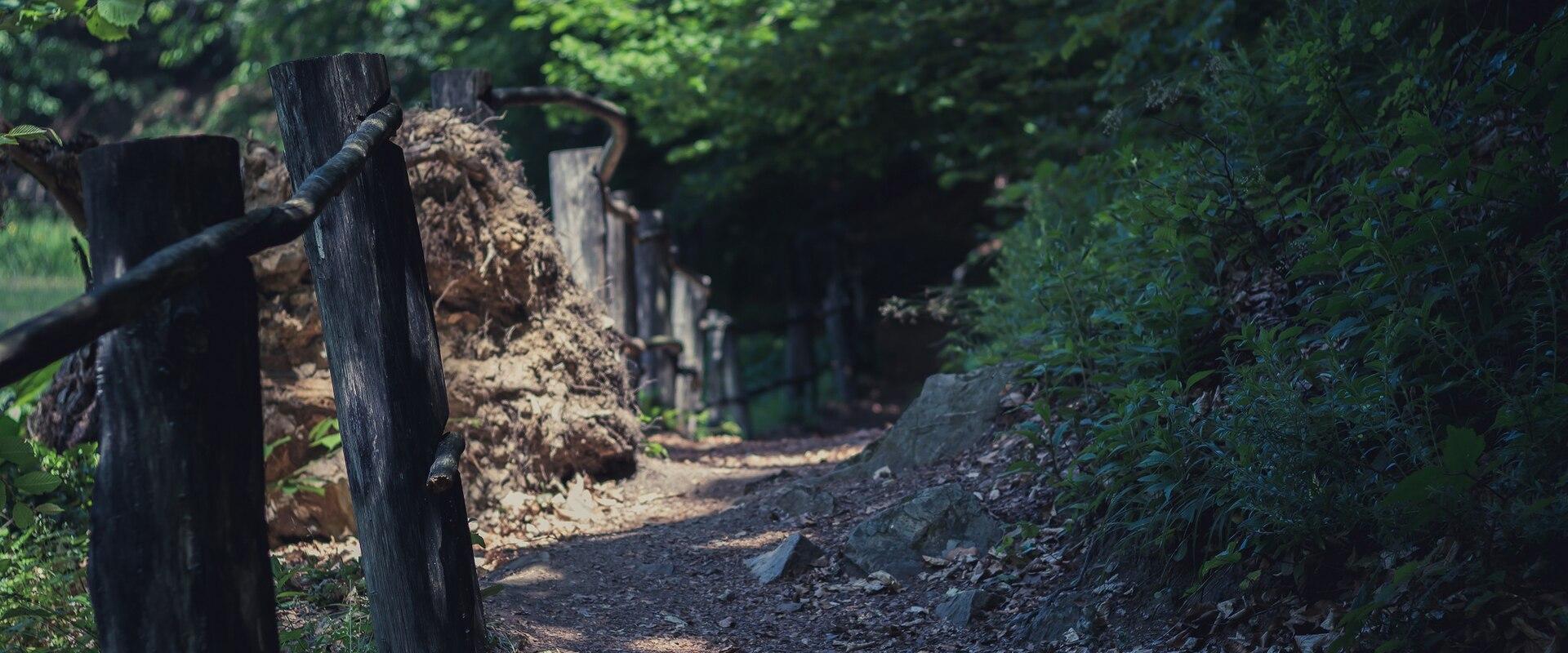
Park Prirode Papuk
UNESCO Global Geopark with rich geology and biodiversity
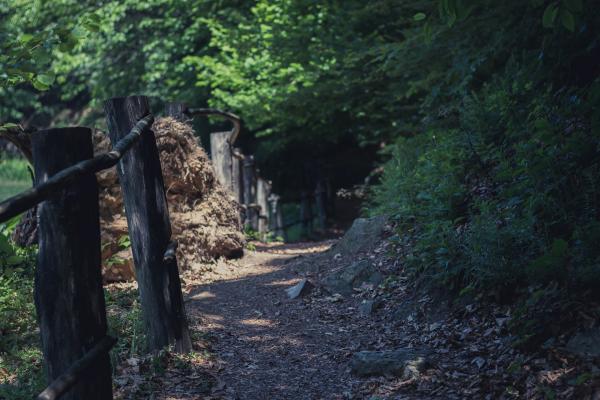
Papuk is a mountain range in eastern Croatia, rising above the plain of Slavonia, and the Papuk Nature Park (Park Prirode Papuk) protects its forested slopes, valleys and ridges. The park covers about 336 square kilometres and includes the Papuk and Krndija ranges, and from Đakovo it can be reached by a drive of about an hour. It is one of the green lungs of Slavonia, a region better known for its fields, and for many visitors it comes as a surprise to find real mountain scenery here, with beech forests, streams and waterfalls.
What makes Papuk exceptional is its geology. The mountain holds an unusually wide variety of rocks of different ages, from ancient metamorphic rocks to volcanic formations and sedimentary layers, and a geologist can read hundreds of millions of years of Earth's history in a short walk. For this reason the park is a member of the European Geoparks Network, since 2007, and it was the first area in Croatia to be recognised as a UNESCO Global Geopark. Among the geological sights are the Rupnica site, where basalt columns of volcanic origin form a striking wall known as the organ pipes, and various geo-trails with information panels that explain the rocks and fossils.
For walkers, the park offers a network of marked trails through forests of beech, oak and hornbeam, to viewpoints, waterfalls and old fortress ruins. The Jankovac area is the best known, with a forest lodge, a lake and a path to the Skakavac waterfall, one of the most beautiful in the park, and the highest summit, also called Papuk, rises to about 950 metres. Cycling routes link the villages, and the park has visitor centres and campgrounds that offer a base for longer stays. The forests hold deer, wild boar and many birds, and in autumn the colours are spectacular.
The cultural heritage is just as rich. Medieval fortresses such as Ružica Grad stand on the hills, and archaeological sites and traditional villages tell the story of the people who lived here, from prehistoric times to the Ottoman and Habsburg periods. Vineyards on the lower slopes produce wine, and local restaurants serve Slavonian dishes. Educational programmes are available for families and school groups.
Opening conditions for paths and facilities change with the season, so check at a visitor centre before going. The park is accessible throughout the year, with different pleasures in each season. It suits walkers, cyclists, families and anyone interested in geology, and it makes a good day trip from Đakovo, Osijek or Požega.
Categories
More photos coming soon
Nearby Attractions
Other places to visit in Đakovo

Frequently Asked Questions
Quick Facts
Best Time to Visit
Spring and early autumn offer mild weather, lush parks, and vibrant festivals; summer is also lively with warm temperatures and outdoor events.