







- Where
- Novalja, Lika
- Directions
- Directions
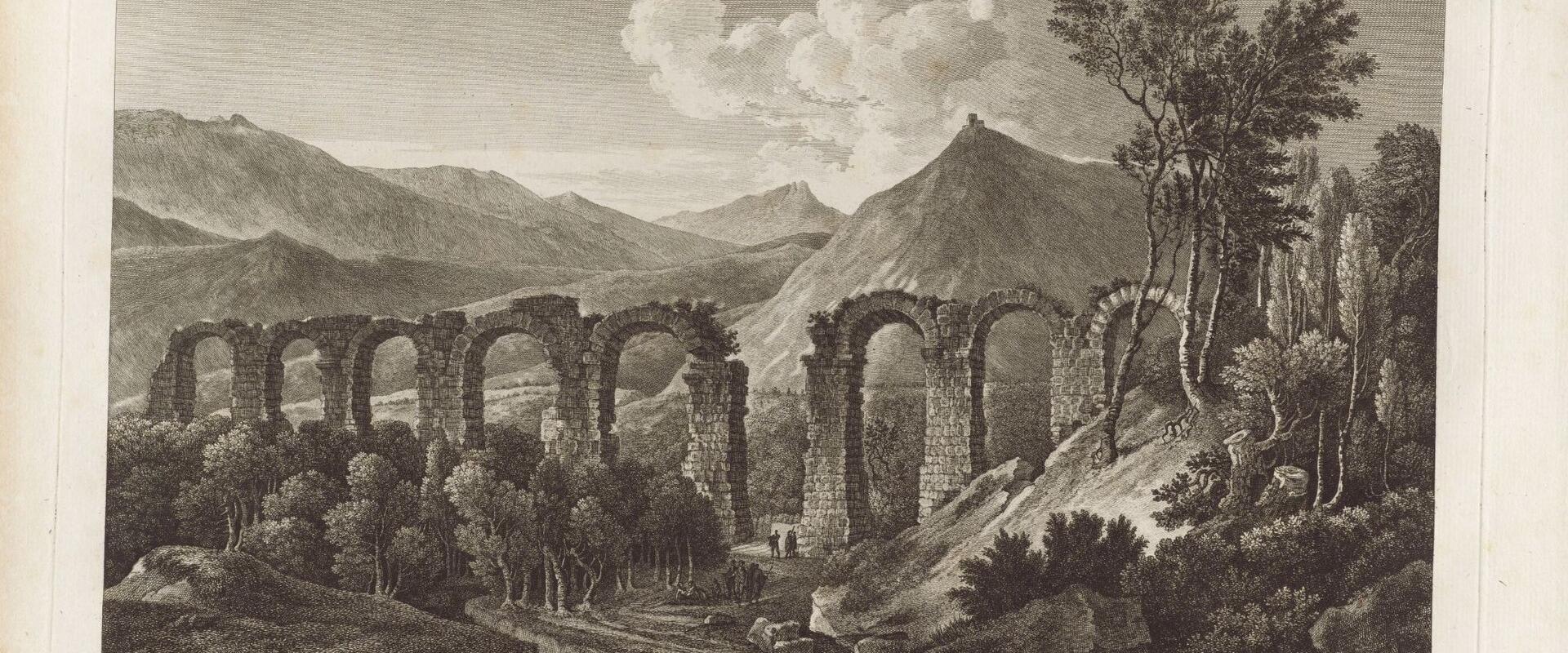
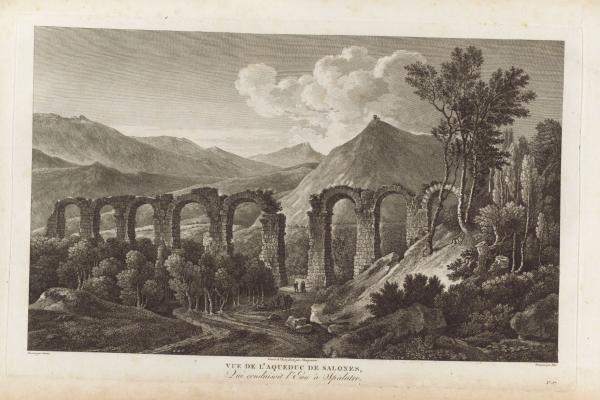
The Roman Aqueduct in Novalja is an ancient water channel carved into solid rock beneath and around the town of Novalja, on the island of Pag, in Croatia. It is part of the heritage of the Roman town that once stood here, and it is one of the most impressive pieces of ancient engineering on the Adriatic islands.
The Romans called the settlement Cissa, also recorded with the epithet Portunata, and it was a flourishing trading town in Roman Dalmatia on the shores of a sheltered bay, well placed on the sea routes of the Adriatic. Like all Roman towns of any size, it needed a reliable supply of fresh water, and Pag, a dry, rocky island with few springs, made that a challenge. The solution was the aqueduct, built in the first century AD, in the time of Emperor Augustus or soon after. It brought water from springs in the hills to the town, over a distance of more than a kilometre, and a large part of its route was cut straight into the living rock, a feat of skilled labour that required teams of workers with picks and chisels.
The structure shows the care of Roman engineers. The channel runs along a narrow subterranean tunnel, with a precisely calculated gradient so that water flowed steadily by gravity, and in places it was supported by stone arches and covered by a roof of timber and stone. Inspection shafts allowed workers to enter and clean the channel, and parts of the structure have survived in remarkably good condition, including sections where the wooden roof construction is still visible. Walking along the tunnel gives a direct sense of the effort involved and the confidence of the builders.
Today the aqueduct forms part of the City Museum of Novalja, which presents its history and the story of the ancient town. Visitors can explore the cool, dimly lit passages and see displays and artefacts that explain the region’s cultural, economic and maritime past. The visit takes less than an hour, and it makes a refreshing contrast to the heat above ground. Opening hours vary by day and season, with longer hours in summer, so it is best to check in advance.
Novalja is better known today for its beaches and nightlife. Zrće Beach, with its clubs and festivals, draws crowds in summer, and the Papaya Club and Ručica beach are among its venues, while the quieter side of the town includes the Life on Mars Trail, a walking route, and the statue of Cardinal Alojzije Stepinac in the town. The aqueduct offers a different side to the town, a quiet, historical one, and it can be combined with a stroll through the old centre.
Whether you like history or engineering, the site suits history lovers, families and curious visitors. Wear shoes with grip, since the floor can be damp, and mind your head in low sections.
Categories
More photos coming soon
Nearby Attractions
Other places to visit in Novalja
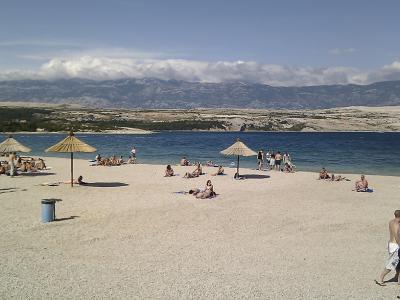
Zrće Beach
Premier Croatian beach for summer music festivals
Activities & Adventure · Beaches
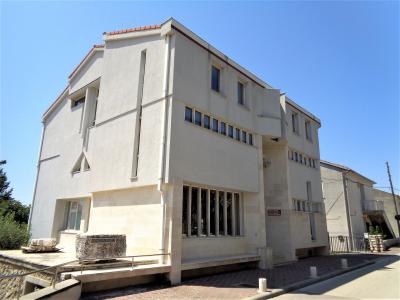
City Museum of Novalja
Historic museum featuring Roman aqueduct and archaeology
Cultural Experiences
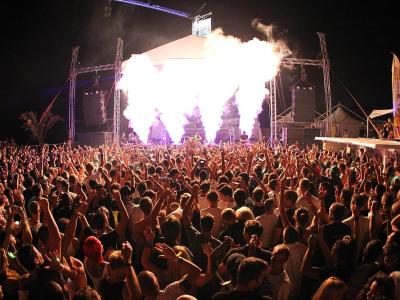
Papaya Club
Open-air club with top DJs on Zrće Beach
Food & Gastronomy · Restaurants
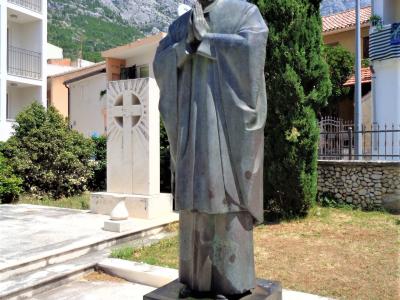
Statue of Cardinal Alojzije Stepinac
Statue honoring Cardinal Stepinac’s wartime courage
History & Heritage · Historic Churches
Questions people ask
Quick Facts
Best Time to Visit
Late June to late August offers hot weather, warm sea, and lively nightlife; May, June, and September are quieter with pleasant temperatures for outdoor activities.