







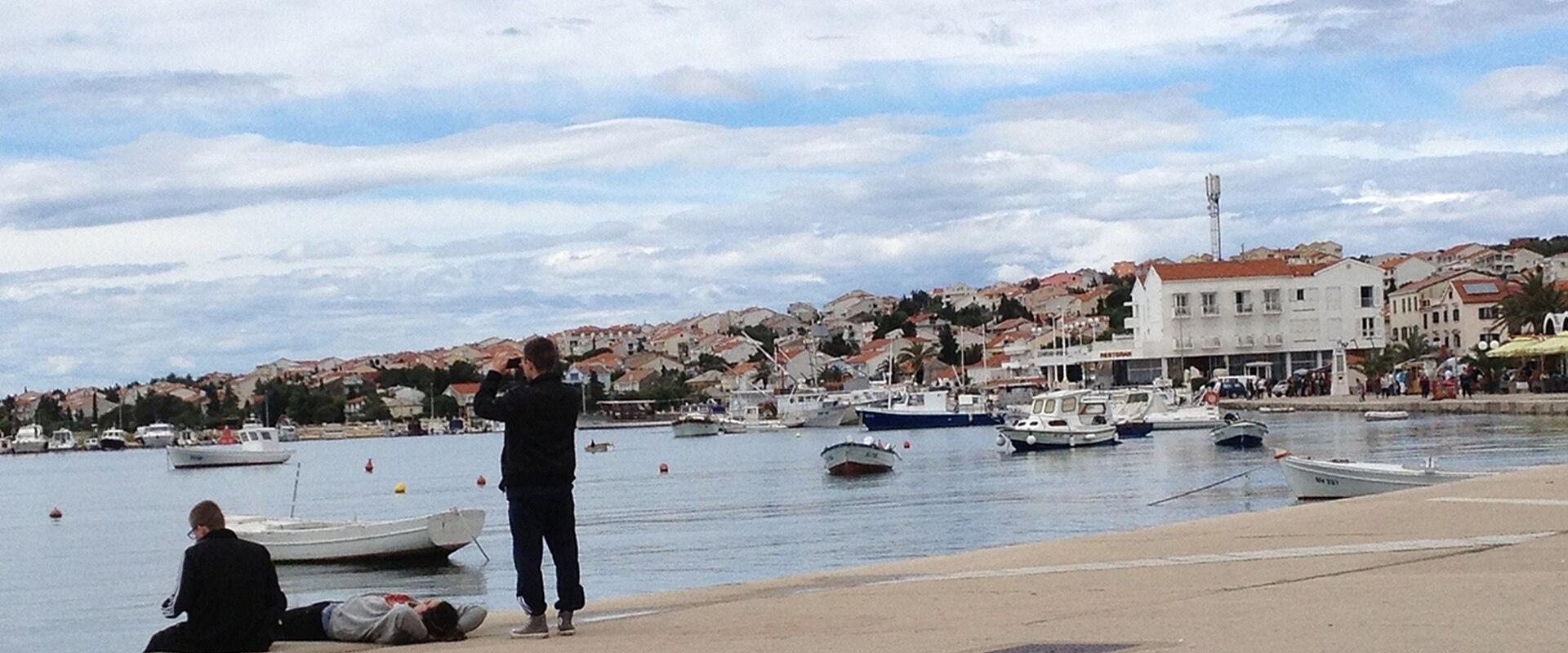
Novalja’s history stretches back to Roman times, when it served as an important port and trading center on the Adriatic, known as Navalia. Remnants of ancient aqueducts, early Christian basilicas and archaeological sites can still be found around the town, reflecting its rich heritage. The Roman Aqueduct, which carried water from a spring in the hills to the town, includes a tunnel and stretches of channel that can be visited, and it is among the best-preserved monuments of its kind on the Adriatic islands. Over the centuries Novalja developed as a fishing and agricultural community, with its residents cultivating olives, grapes and sheep on the island’s rocky terrain. The City Museum of Novalja presents archaeological finds, including Roman objects and early Christian inscriptions, and gives context to the town’s long past. Today the town’s traditional charm is complemented by a lively tourism scene, especially during the summer months.
The main attraction in Novalja is its string of beautiful beaches. Zrće Beach, just a few kilometers from the town center, is world-famous for its open-air clubs, music festivals and non-stop summer parties, earning it the nickname 'Ibiza of the Adriatic.' By day Zrće and other beaches such as Plaža Ručica, Beritnica and Vrtic offer clear water, water sports and sunbathing, while by night they turn into hotspots for international DJs and dance events. Papaya Club, on Zrće, is one of the most famous venues. Families and those looking for a quieter experience can enjoy the more secluded coves and pebble beaches along the coast, and Ručica, in a bay with pine trees, is widely regarded as one of the most beautiful on the island.
Novalja is also a gateway to outdoor adventure. The Life on Mars Trail and other hiking and cycling routes wind through the island’s unique stone fields, olive groves and dramatic cliffs, offering panoramic views and a taste of Pag’s wild beauty. The pale, wind-swept landscape does resemble another planet in places, and walkers should carry water and a hat because there is little shade. Kayaking, jet skiing, scuba diving and boat tours are available for those who want to explore the sea and nearby islands. The Olive Gardens of Lun, home to some of the oldest olive trees in the world, provide a peaceful retreat and a glimpse of the island’s agricultural heritage.
The town itself has a lively center with shops, cafes and restaurants serving fresh seafood, Pag cheese, lamb and local wines. The statue of Cardinal Alojzije Stepinac, a Croatian church figure, stands in the town and recalls his place in the national memory. The Novalja City Museum shows the area’s history and culture, while summer festivals, open-air concerts and local markets fill the calendar with music and celebration. Novalja’s harbor is a hub for boat excursions, fishing trips and sunset cruises. The island lamb, grazed on herbs and sprayed by sea salt, is among the best in Croatia, and Paški sir, a hard sheep cheese, is a must for cheese lovers.
Nightlife dominates the summer but is concentrated at Zrće, a few kilometers from the town, so visitors who prefer quiet can stay in the old town or in smaller villages. In June and September the beach clubs are calmer and prices lower.
Getting to Novalja is straightforward. The town is accessible by road via the Pag Bridge, which connects the island to the mainland, and by ferry from the port of Prizna. Regular buses run from Zadar, Rijeka and other regional centers. Accommodation options range from hotels and resorts to private apartments and campsites, catering to all budgets and preferences.
The best time to visit Novalja is from late June to late August, when the weather is hot, the sea is warm and the town’s beaches and nightlife are in full swing. May, June and September offer milder temperatures, fewer crowds and excellent conditions for outdoor activities and sightseeing. Whether you seek parties, relaxation or adventure, Novalja offers an energetic island stay.
Best time to visit
Late June to late August offers hot weather, warm sea, and lively nightlife; May, June, and September are quieter with pleasant temperatures for outdoor activities.
What to see in Novalja
Our picks first.
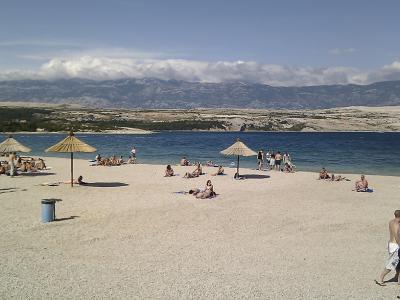
Zrće Beach
Premier Croatian beach for summer music festivals
Activities & Adventure · Beaches
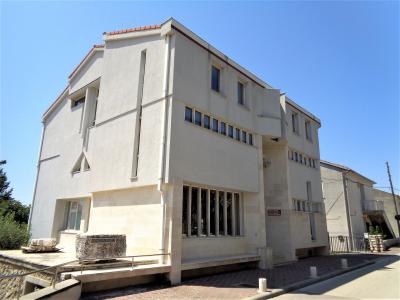
City Museum of Novalja
Historic museum featuring Roman aqueduct and archaeology
Cultural Experiences
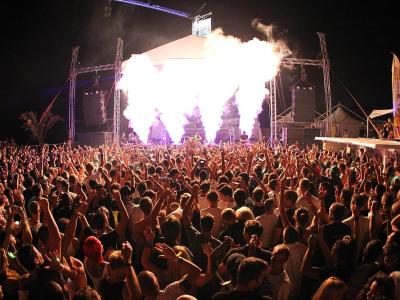
Papaya Club
Open-air club with top DJs on Zrće Beach
Food & Gastronomy · Restaurants
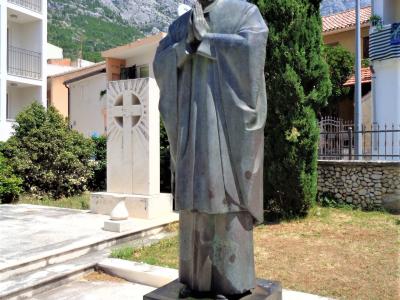
Statue of Cardinal Alojzije Stepinac
Statue honoring Cardinal Stepinac’s wartime courage
History & Heritage · Historic Churches
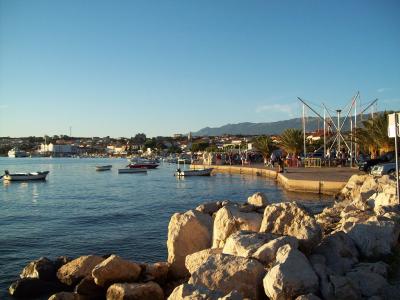
Downtown Novalja
Historic coastal town with vibrant nightlife
Cultural Experiences
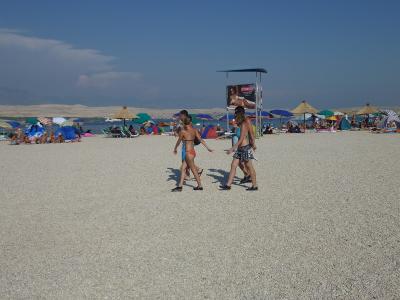
Beach of Zrce
Beaches · Local Festivals
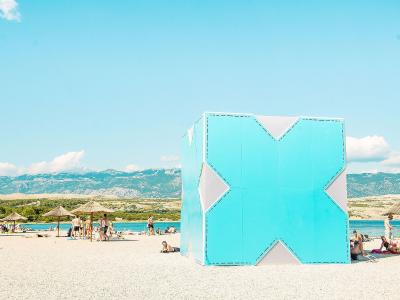
Beach Zrće
Free Activities & Adventure · Coastal & Maritime
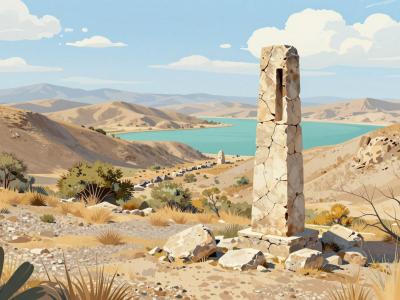
Life On Mars Trail
Martian-like trail with sea and mountain views
Natural Wonders · Hiking Trails
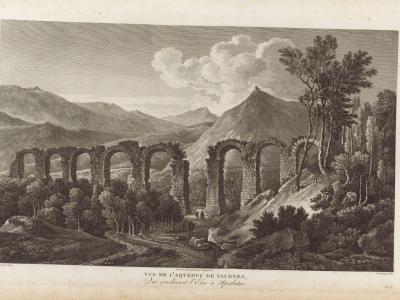
Roman Aqueduct
Ancient Roman aqueduct carved into live rock
History & Heritage · Ancient Sites
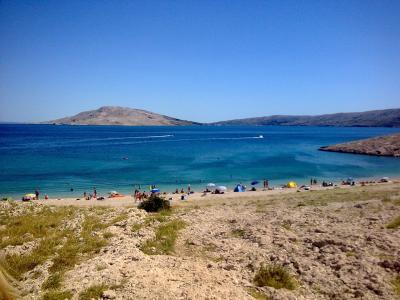
Plaža Ručica
Calm, pristine beach on Pag Island's coast
Coastal & Maritime · Beaches
Novalja by interest
The same sights, grouped by what you came for.
Planning a visit to Novalja
Itineraries that include Novalja
Good to know
- Currency
- EUR
- Language
- Croatian
Quick Facts
Book your stay
Questions people ask
More places in Lika
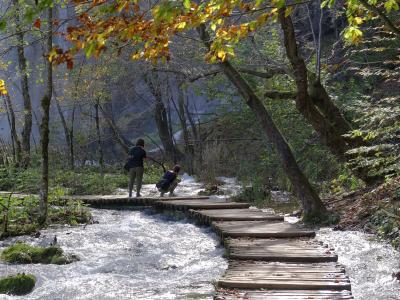
Lika
Plitvice Lakes National Park
UNESCO park with turquoise lakes, waterfalls, and wooden trails
Lika
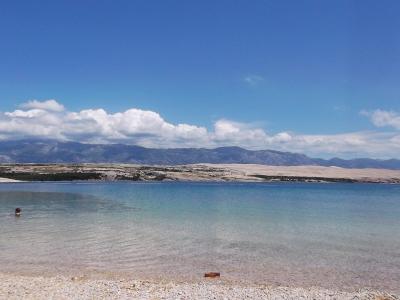
Zrće
Pag Island’s legendary party beach with clubs and water sports
Lika
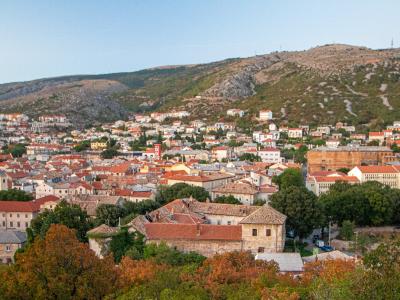
Senj
Adriatic fortress town with mountain views and pebble beaches
Lika
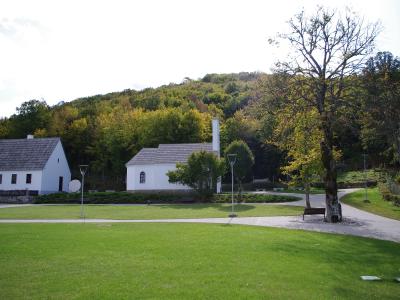
Smiljan
Birthplace of Nikola Tesla in scenic Lika countryside