







- Where
- Rovinj, Istria
- Directions
- Directions
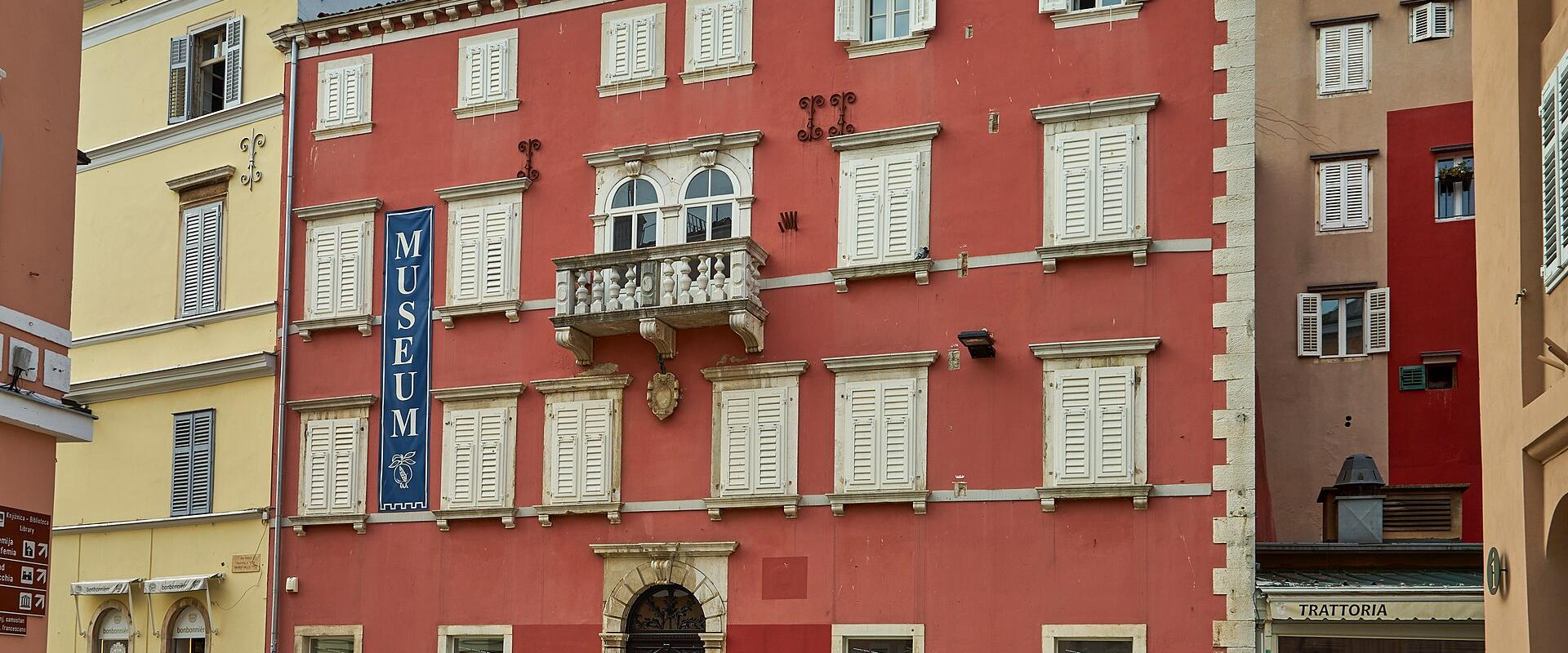
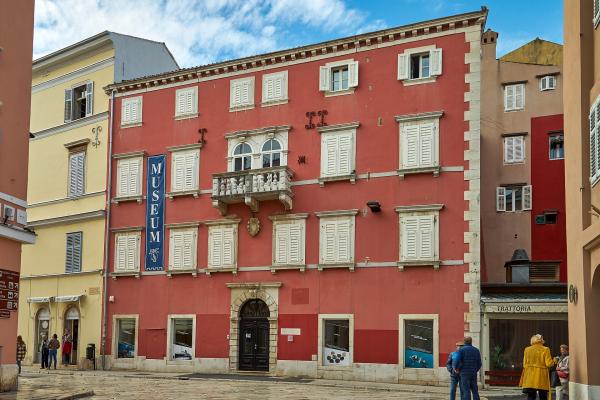
The Rovinj Heritage Museum is the main museum of Rovinj, the Istrian port on the western coast of Croatia, and it is housed in a Baroque building of the seventeenth century on Trg Maršala Tita, the square beside the harbour, in the centre of the old town. It serves as both a local history archive and an art gallery, and it gives a good overview of Rovinj’s development from antiquity to the present.
The building, a palace built in the Baroque style that was popular in Venetian-ruled towns, reflects the architectural heritage of Rovinj. Rovinj itself grew on a rocky island that was joined to the mainland only in the eighteenth century, and its houses are packed together in tiers around the hill with the Church of St. Euphemia at the top, with the lanes and arches that give it its character. The museum’s position, close to the harbour and the Balbi Arch, makes it a natural stop on a stroll through the old centre, and the rooms inside, with their high ceilings and wooden floors, are a fitting backdrop for the exhibits.
The exhibits are arranged across three floors, each with a distinct theme. On the ground floor, there are temporary exhibitions, a changing programme of shows by local and visiting artists and thematic displays, which allows visitors to see something new on each visit. The first floor is devoted to twentieth-century and contemporary art, with works that reflect modern cultural trends in the region, and Rovinj has a strong tradition of artists, as the Grisia Street art exhibition shows. The top floor holds historical artefacts from the sixteenth to the nineteenth centuries, including furniture, paintings, maps and household objects that illustrate daily life and trade in Rovinj during earlier periods, together with Roman pieces, such as stone fragments and pottery from the ancient settlement.
The order of the floors, from art to ancient objects, helps visitors understand the evolution of the town from its Roman roots through its Venetian and Baroque eras to the present. The collections also remind visitors that Rovinj was a prosperous fishing and trading port and a centre of shipbuilding, with a strong Italian-speaking community, and that its culture has been bilingual for centuries.
Visitors will find the museum generally open to the public, and booking options are available for those who plan ahead, though ticket prices and exact opening hours vary with the season, so check before going. A visit takes about an hour, and the museum maintains a good reputation among travellers. It suits history and art lovers and anyone who wants to put the pastel streets of Rovinj in context. It is close to the Batana Eco-Museum, the Rovinj Market, the Rovinj Aquarium and the Punta Corrente forest park.
Categories
More photos coming soon
Nearby Attractions
Other places to visit in Rovinj
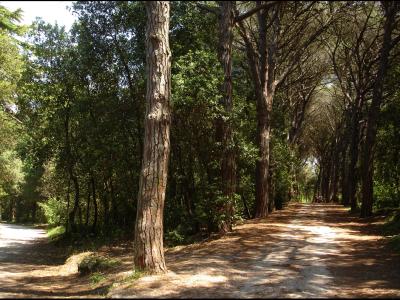
Punta Corrente (Golden Cape) Park
Protected forest park with diverse native flora
Activities & Adventure · Coastal & Maritime
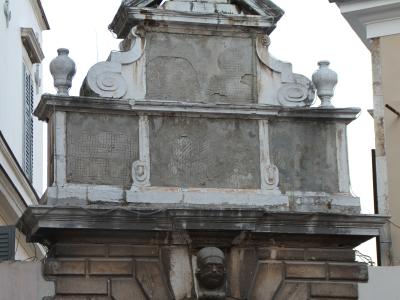
Balbi's Arch
17th-century Venetian arch marking Rovinj’s old town entr...
Free History & Heritage · Urban Exploration
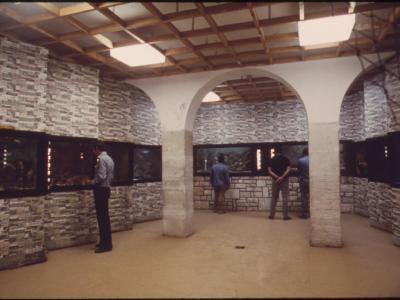
Rovinj Aquarium
Adriatic marine life showcased in coastal Rovinj
Coastal & Maritime · Cultural Experiences
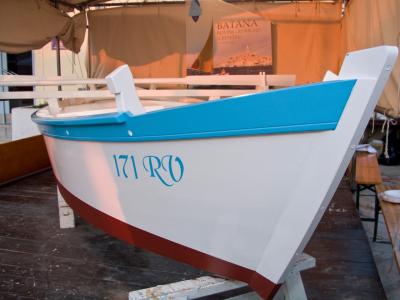
Batana Eco-Museum
Traditional wooden boats and maritime heritage
Cultural Experiences · Natural Wonders
Questions people ask
Quick Facts
Best Time to Visit
April to September offers warm weather, lively festivals, and ideal conditions for sightseeing, beaches, and exploring Rovinj’s old town and islands.